

African Routes 2025: Equal Measures Day 2 – In images
In late September 2025, the Black-E held the African Routes 2025: Equal Measures Event over a two-day weekend.
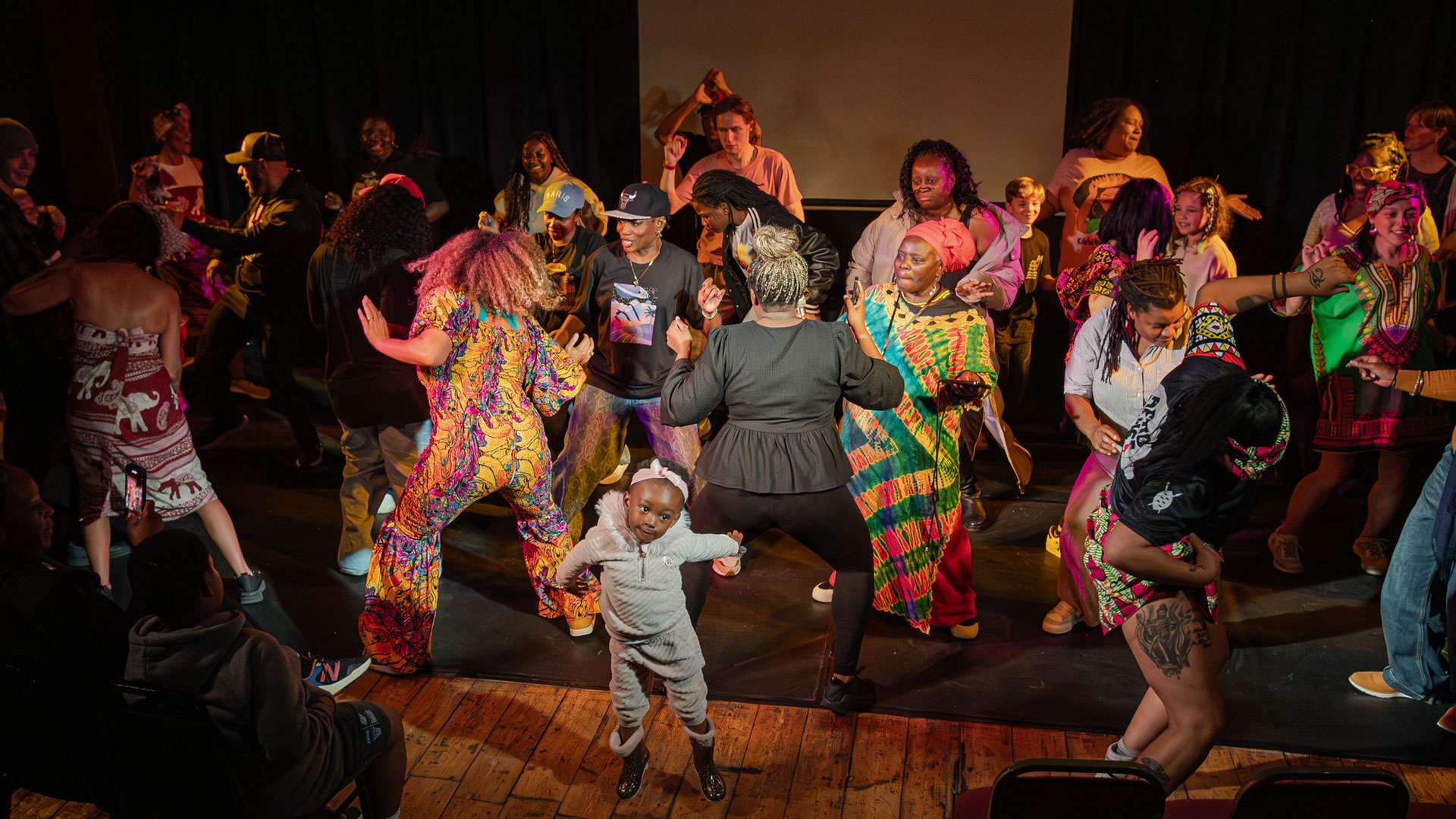
African Routes 2025: Equal Measures took place at The Black-E, offering a free two-day programme of African culture, dance, music, talks and workshops. The event featured lectures, masterclasses, panel discussions, wellbeing sessions, gallery work, and live performances, including contributions from figures such as Lavelle Smith Jr, Marlon D Simms, IRIE! dance theatre and Ithalia Johnson. With sessions exploring African dance, music, history and wellbeing, the programme created opportunities for learning, participation and reflection across its full schedule.
Click here to view the Event Page for Day Two of African Routes 2025: Equal Measures.
Click here to view the photos from Day One.
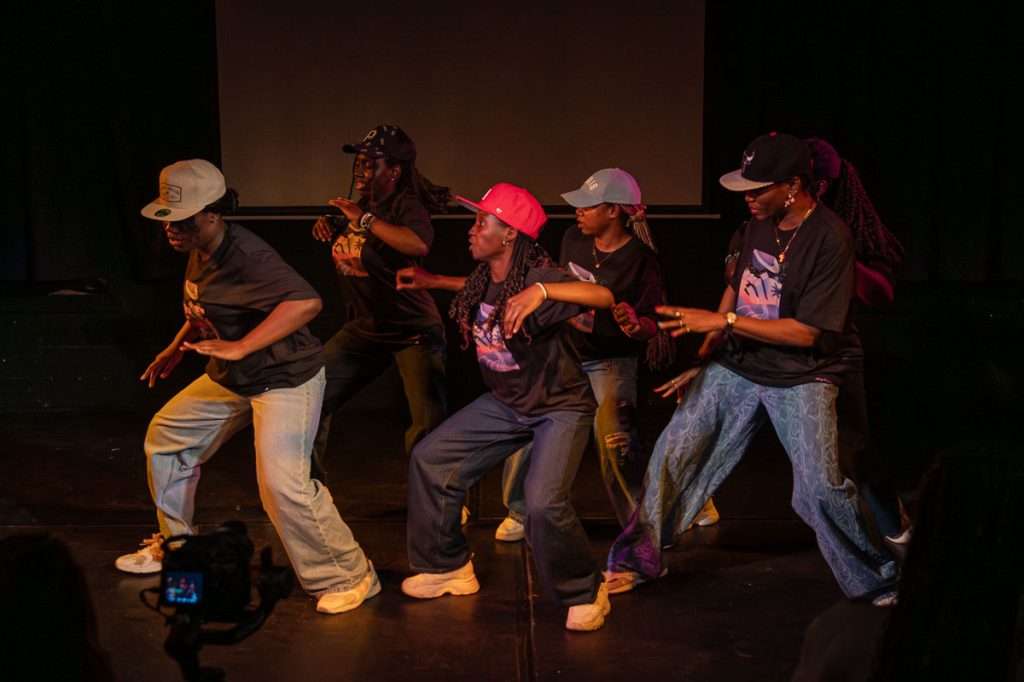
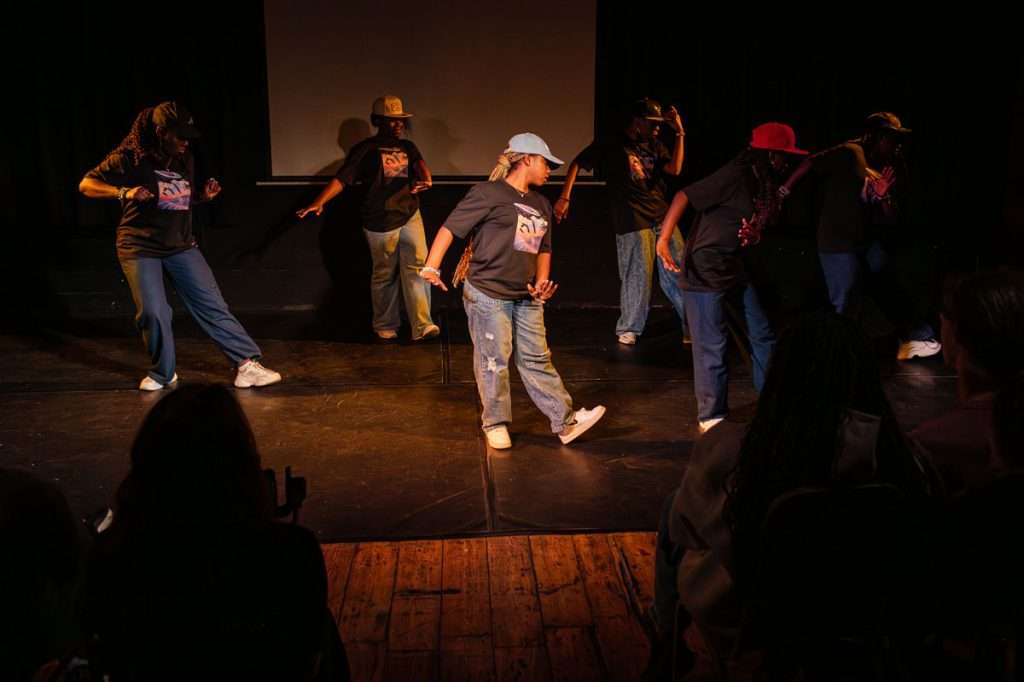
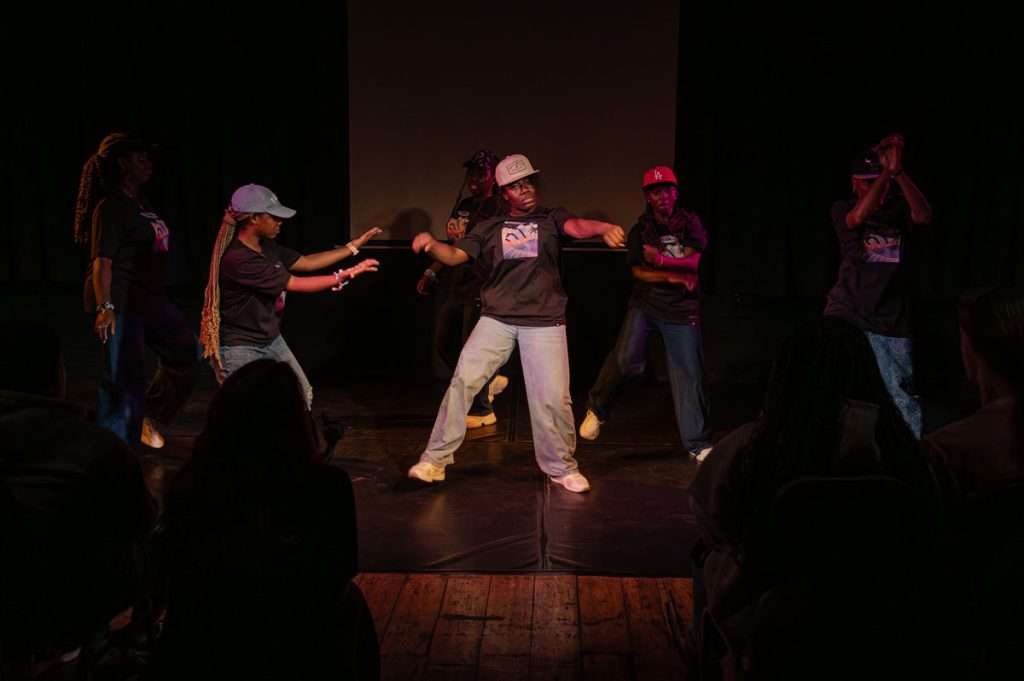
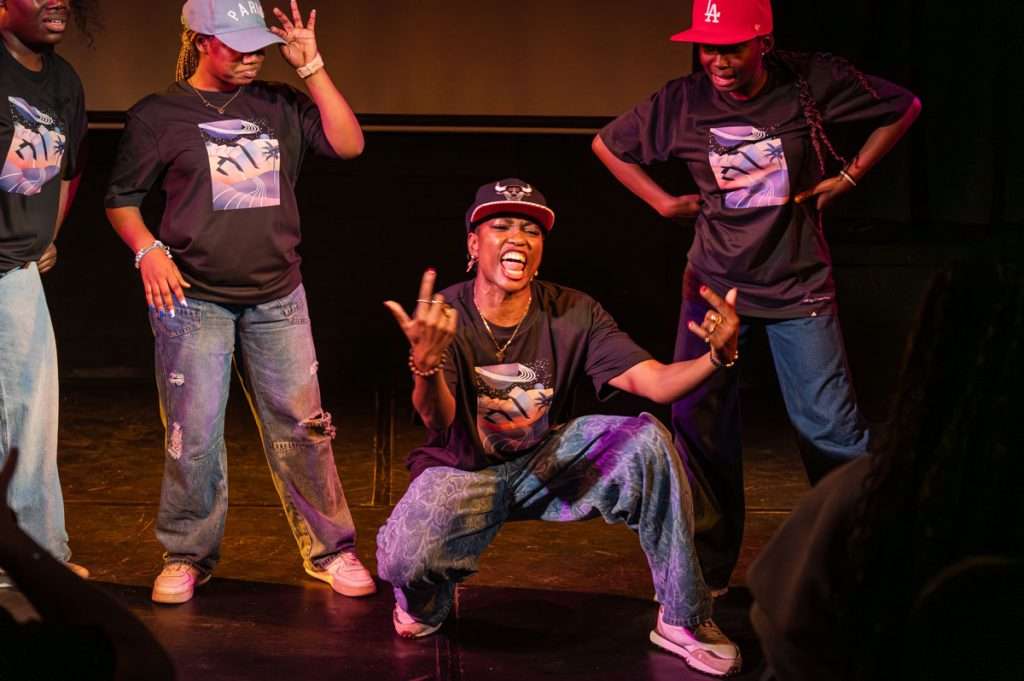
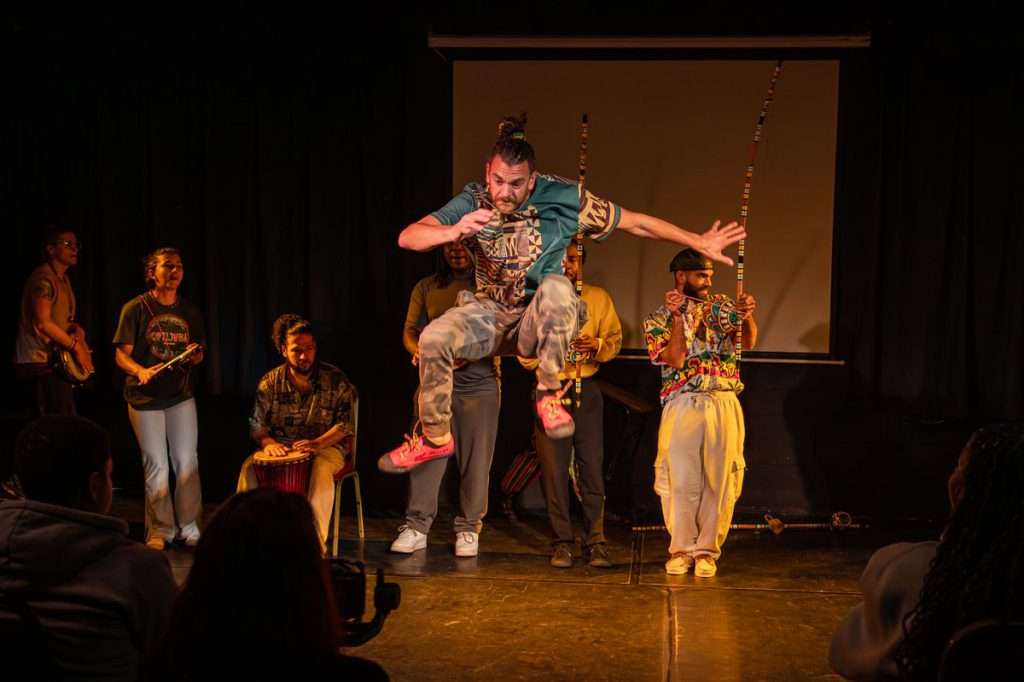
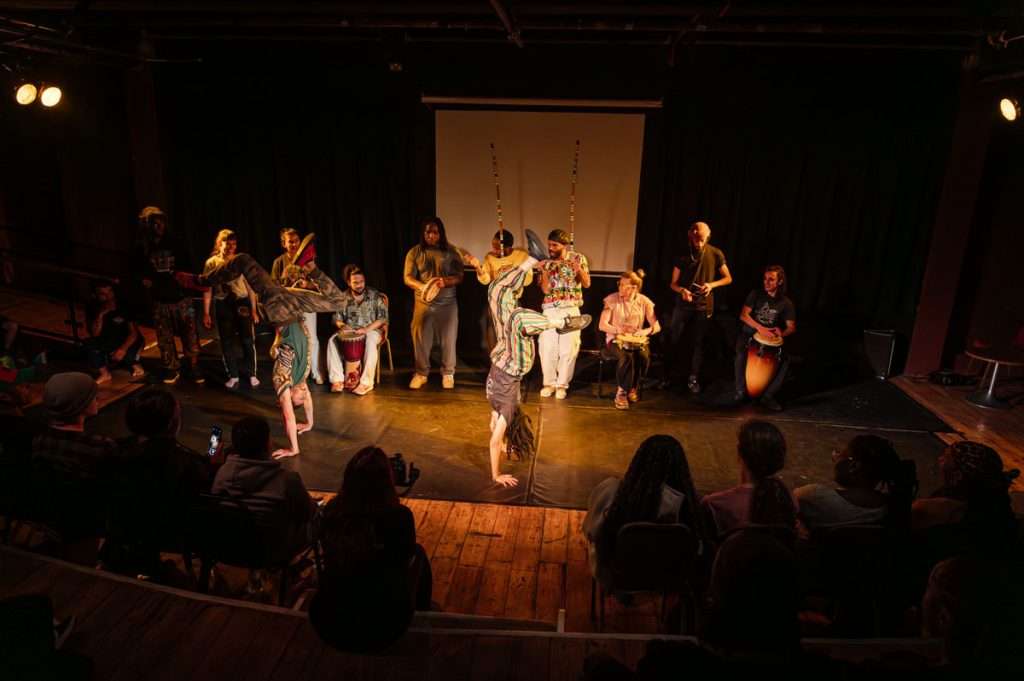
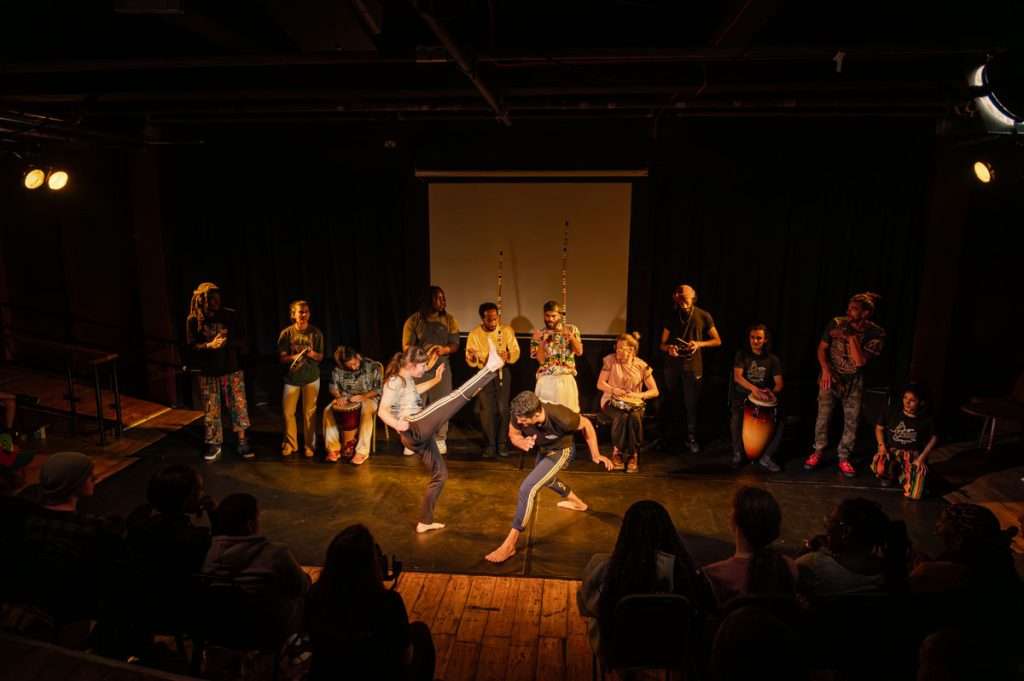
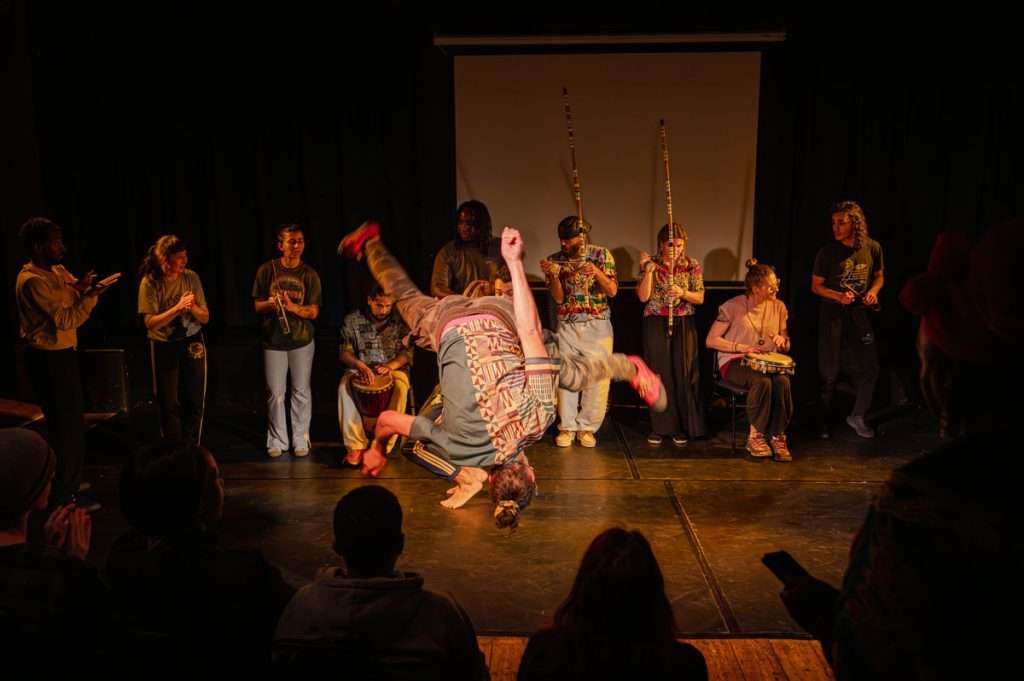
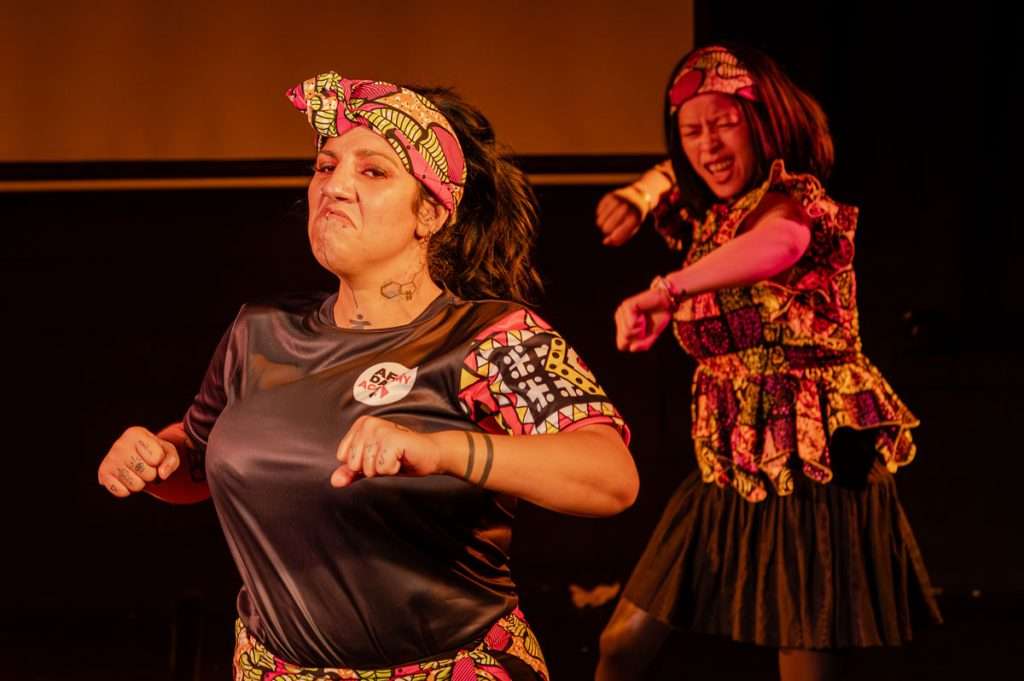
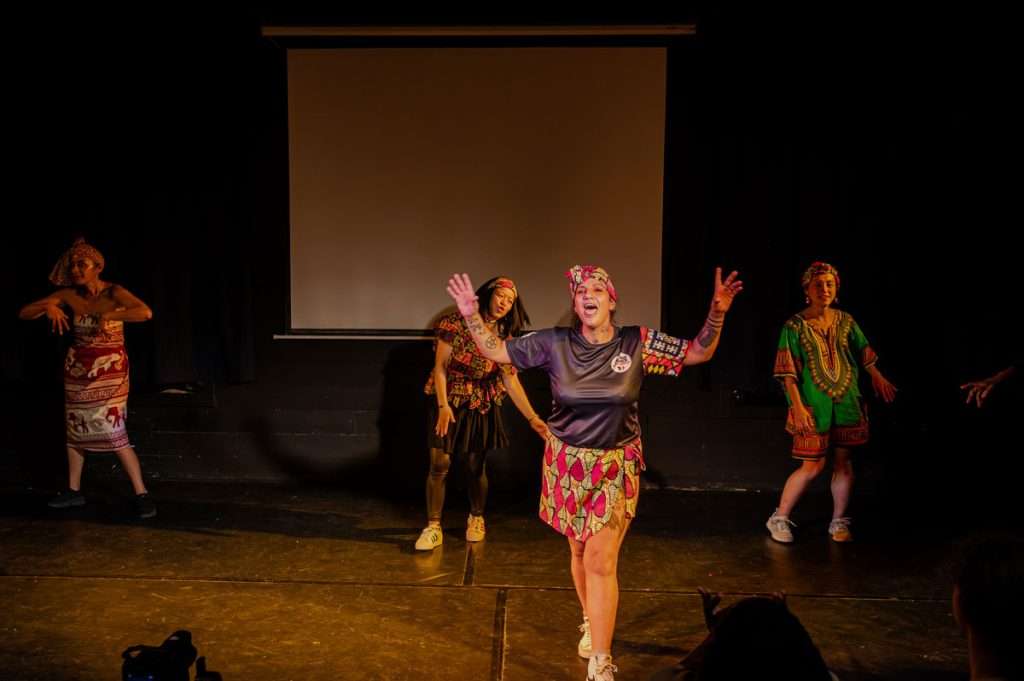
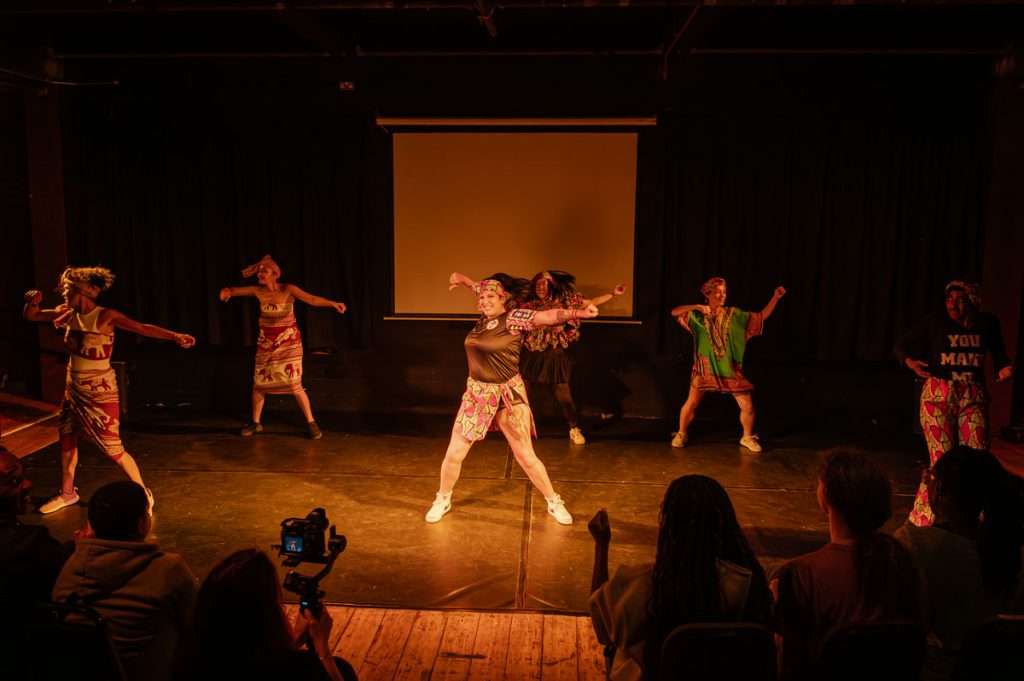
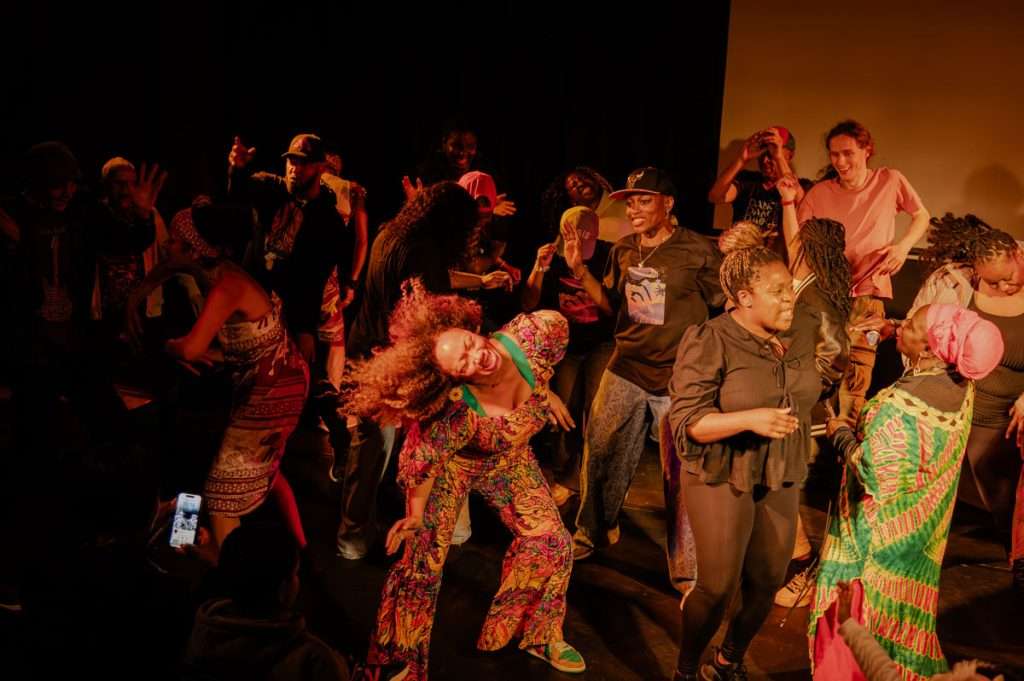
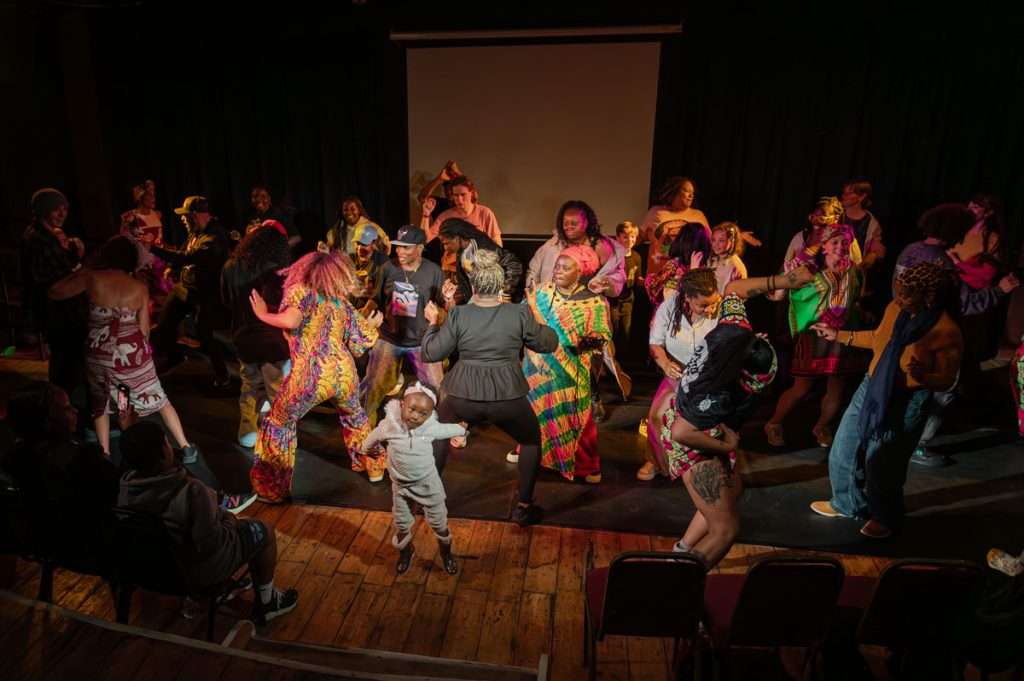
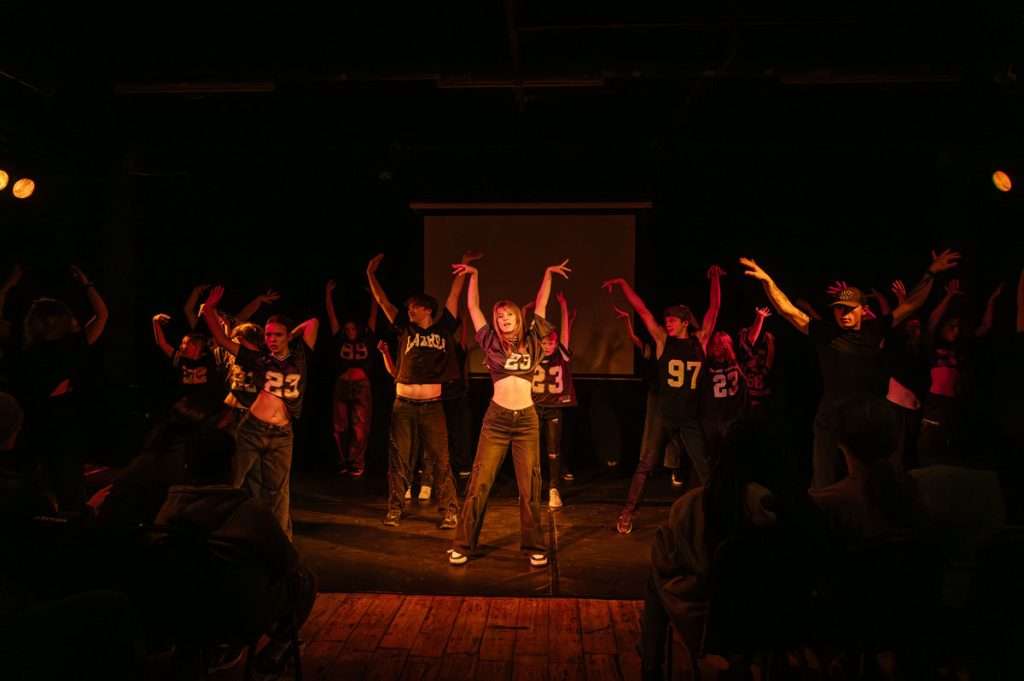
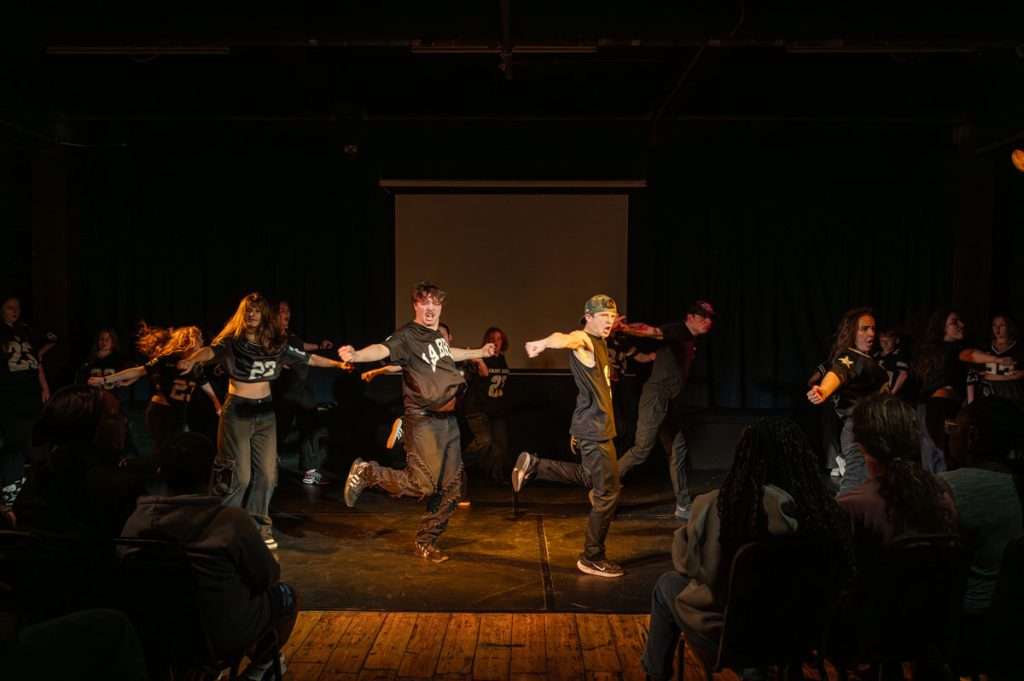
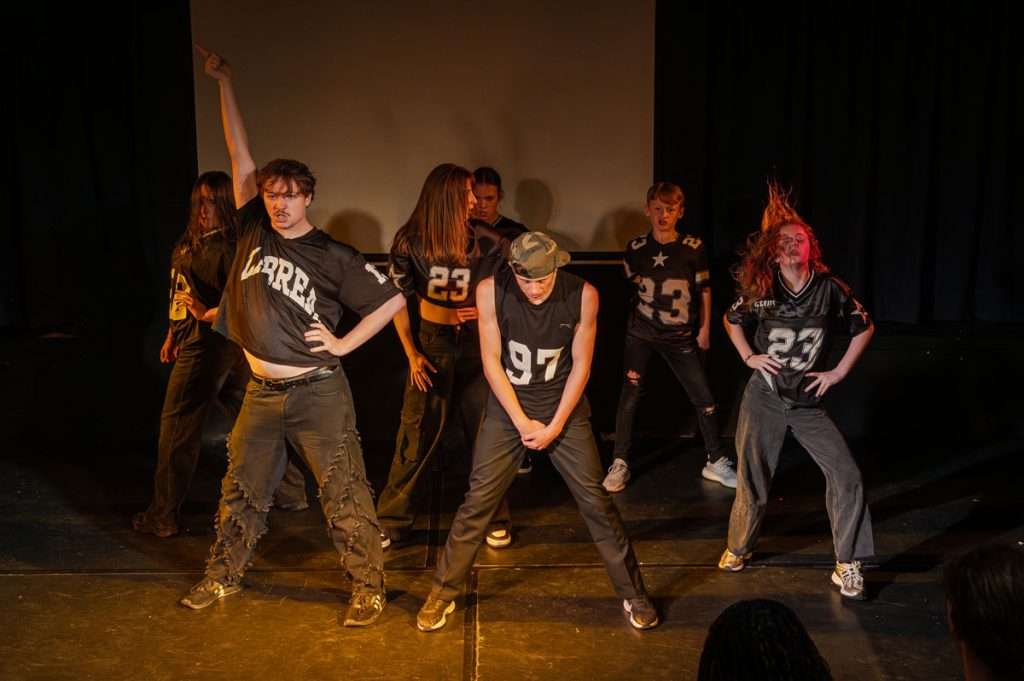
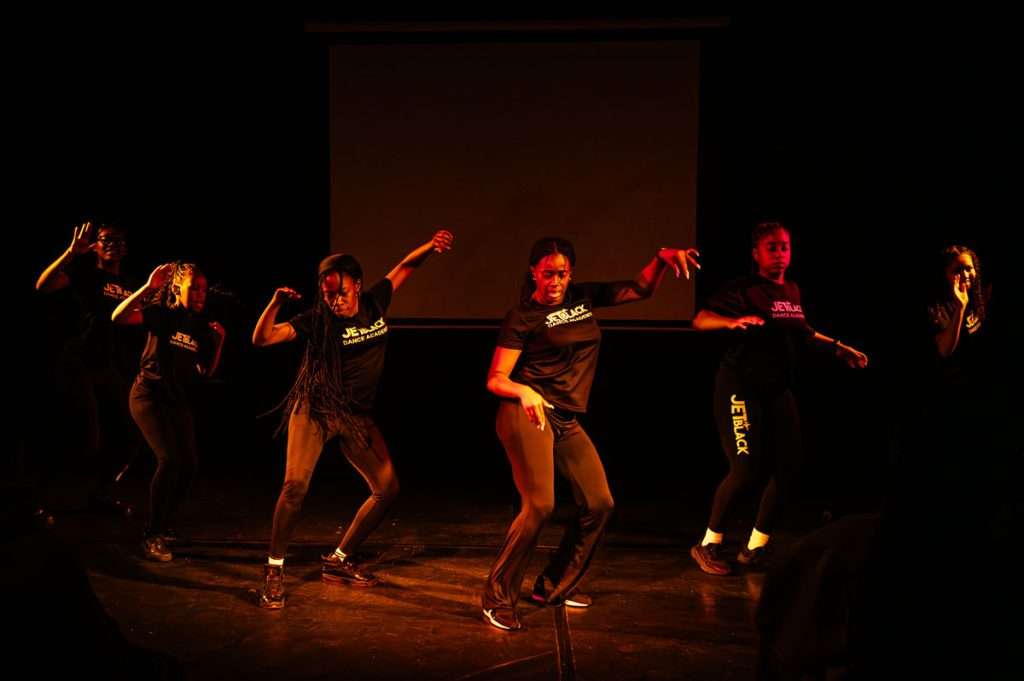
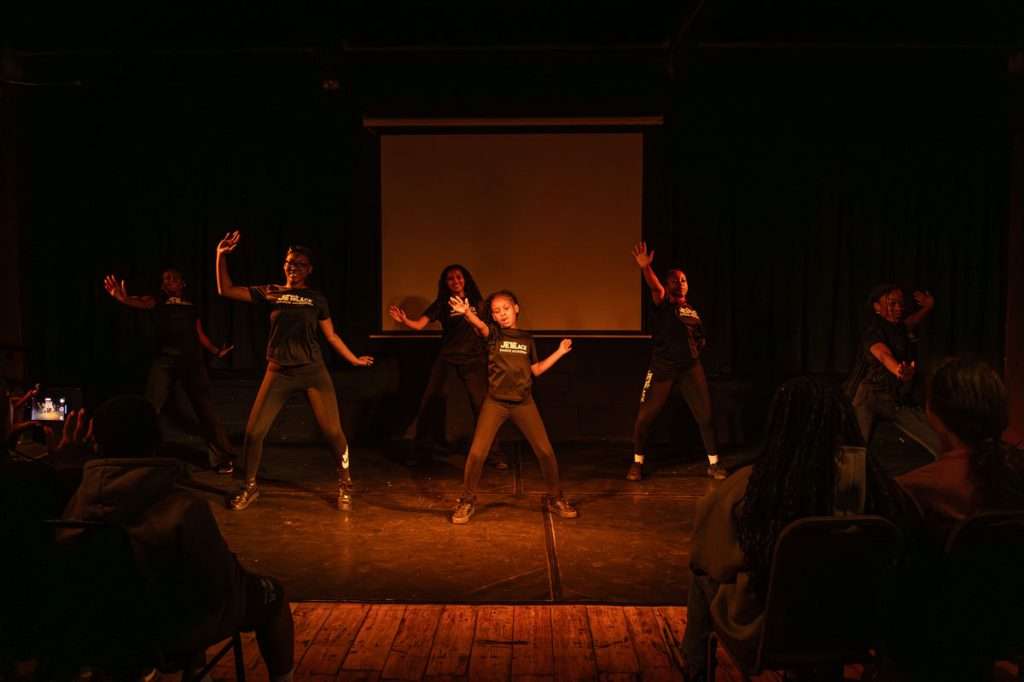
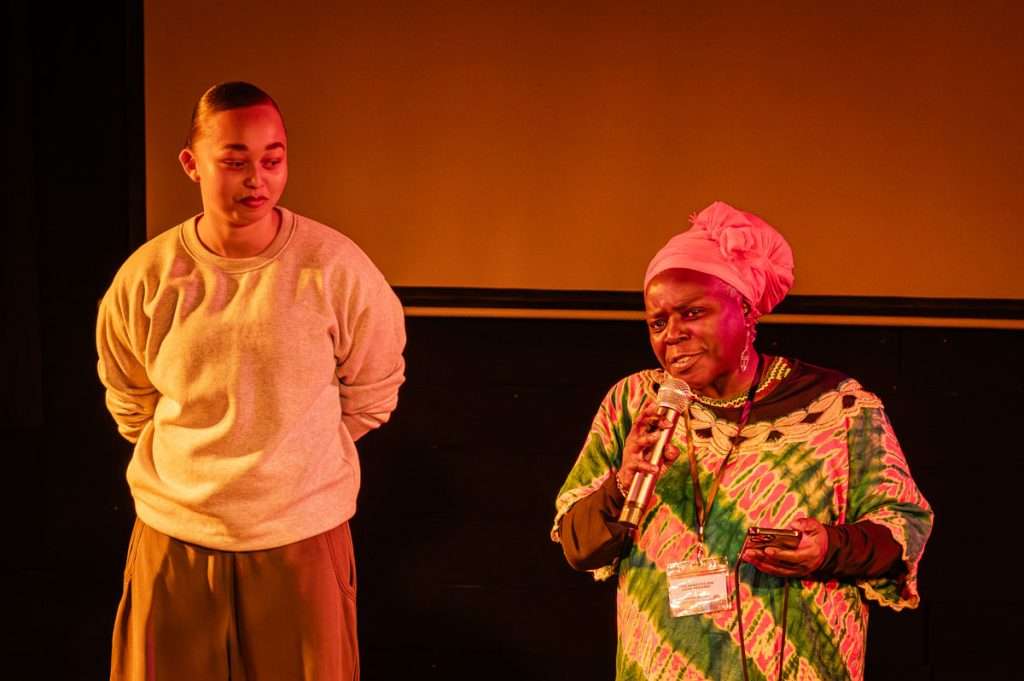
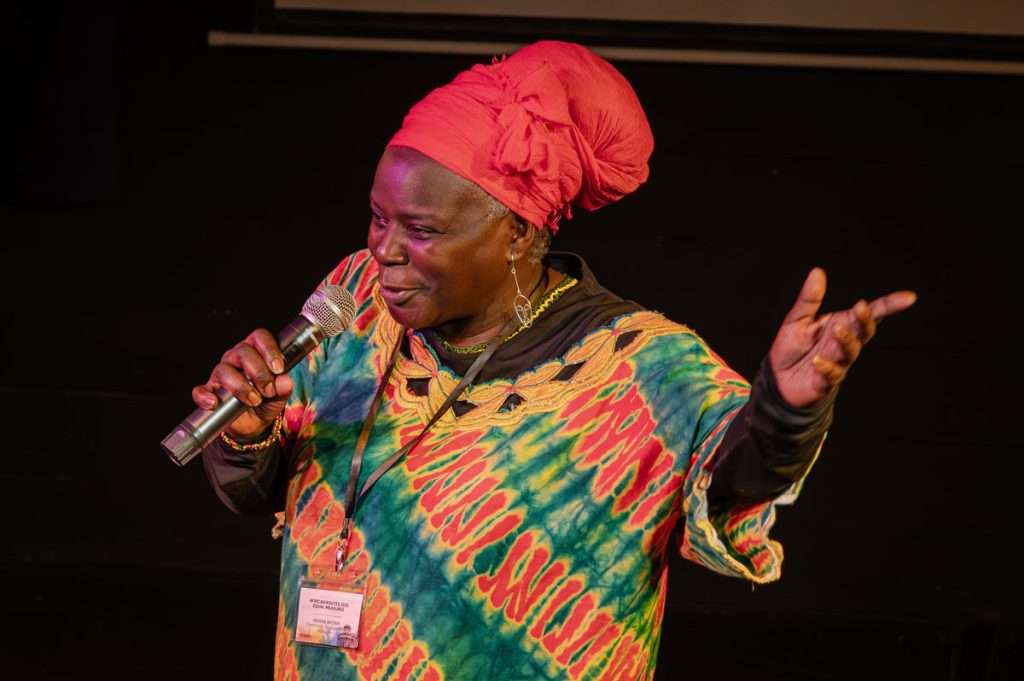
Below are various photographs taken by Jazamin Sinclair – jazamin.co.uk, that document this event. Click on an image in the gallery to view it larger.
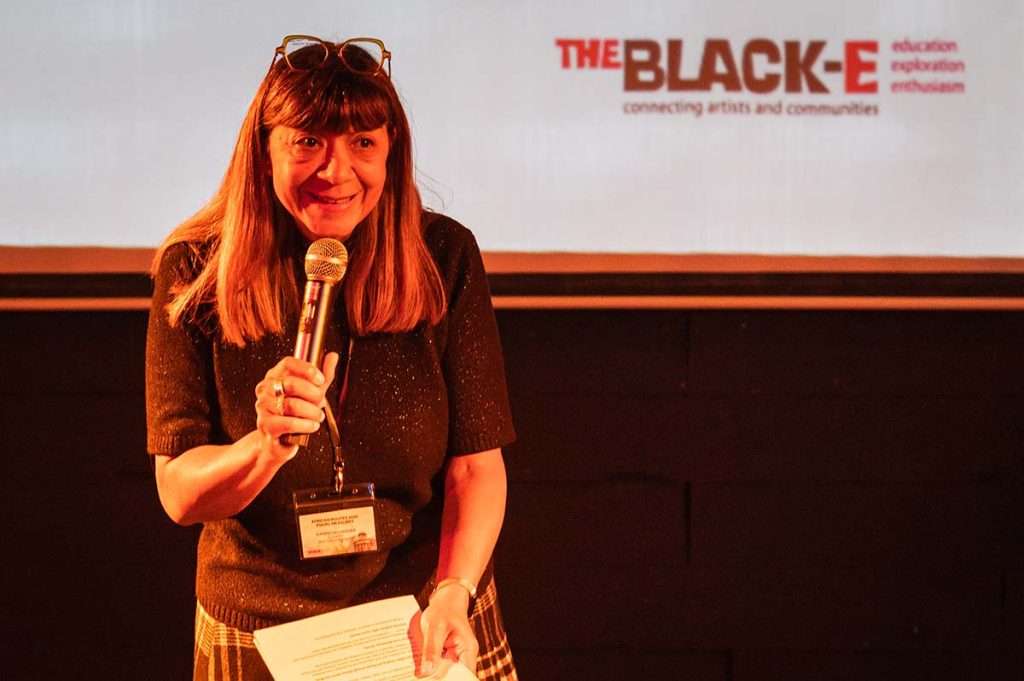
Welcome – Andrea Vaz & Karen Gallagher
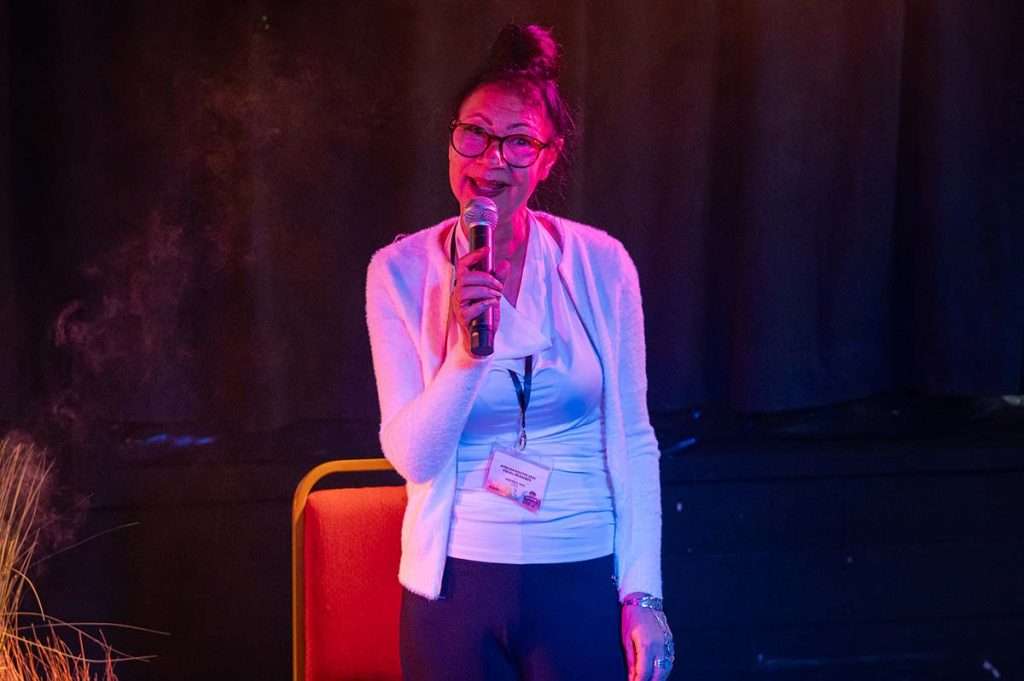
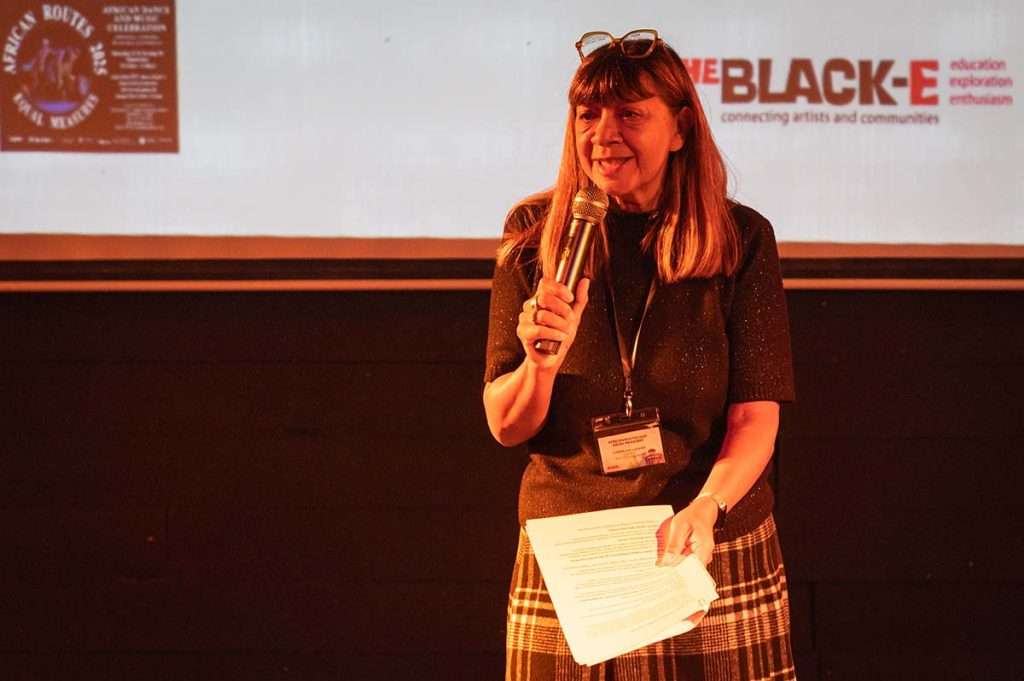
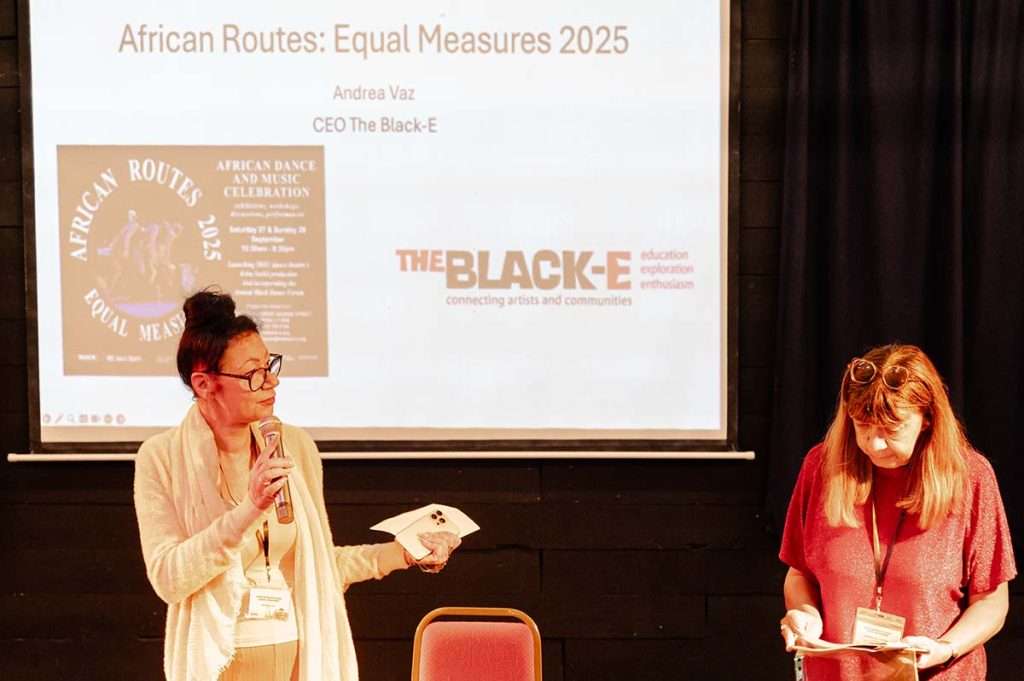
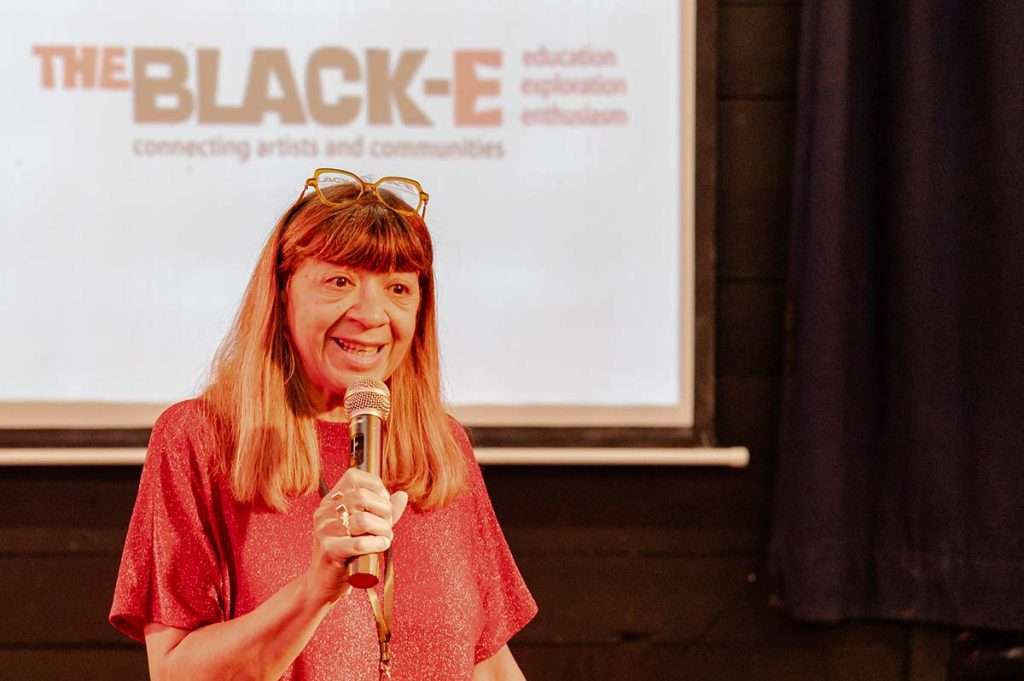
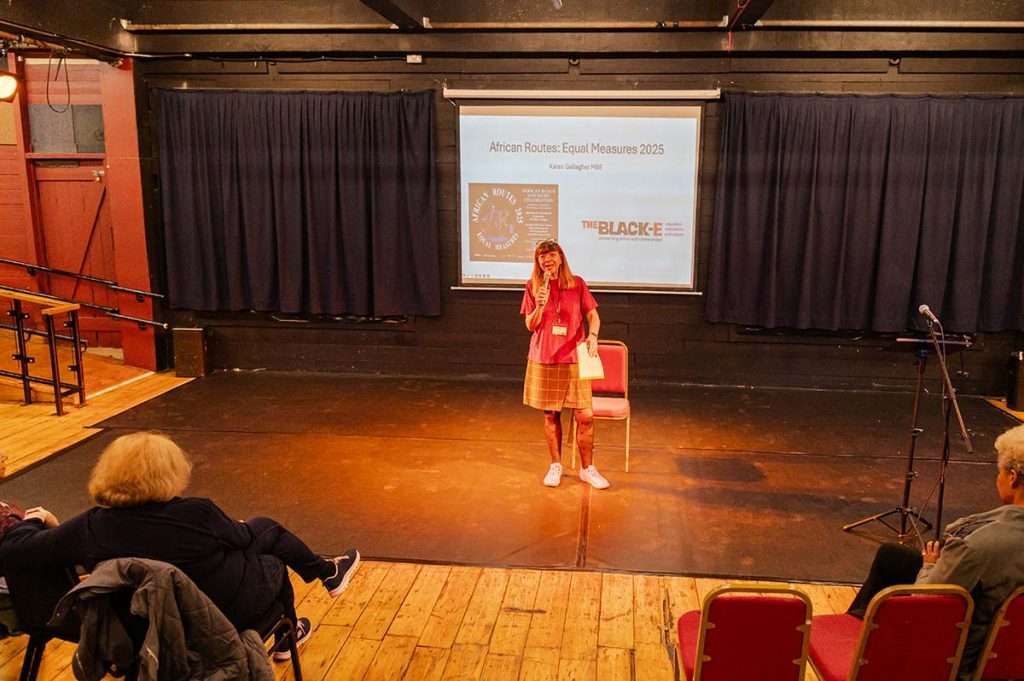
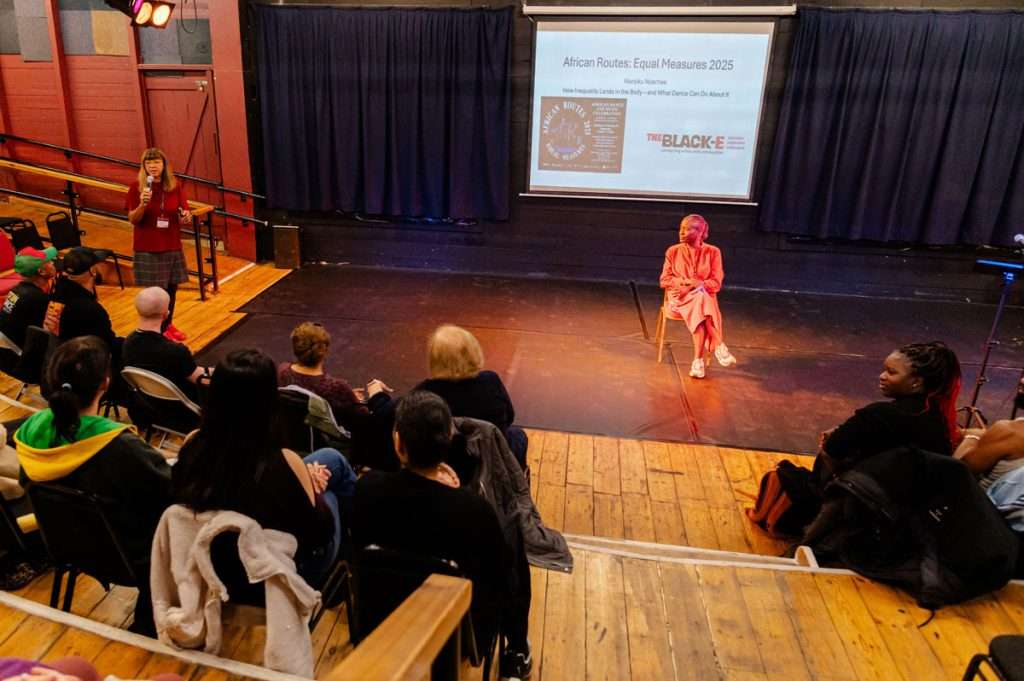
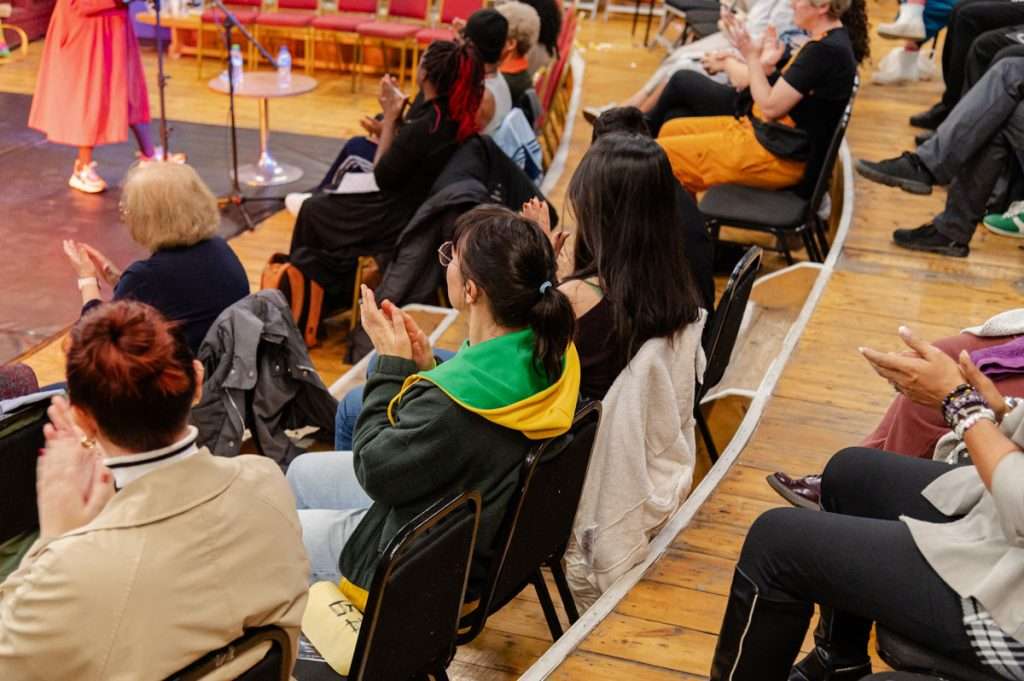
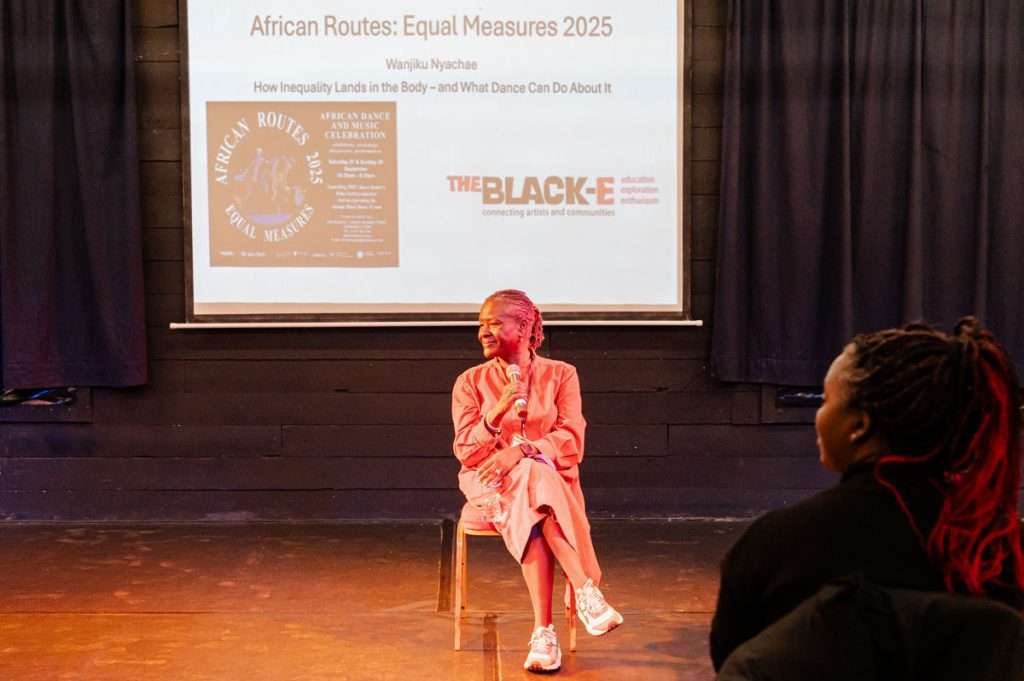
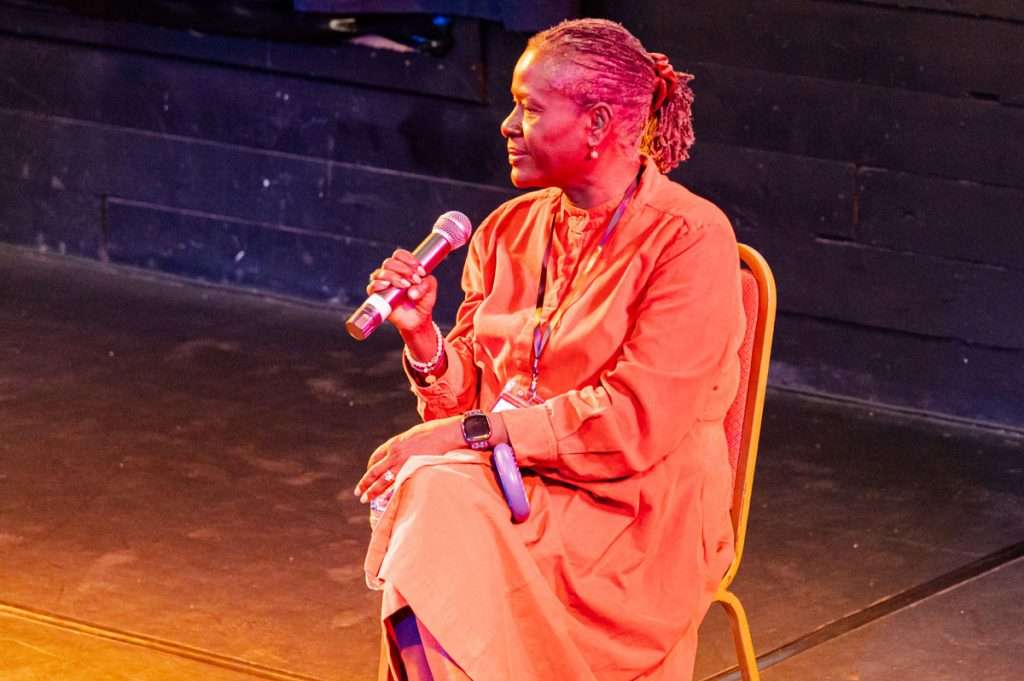
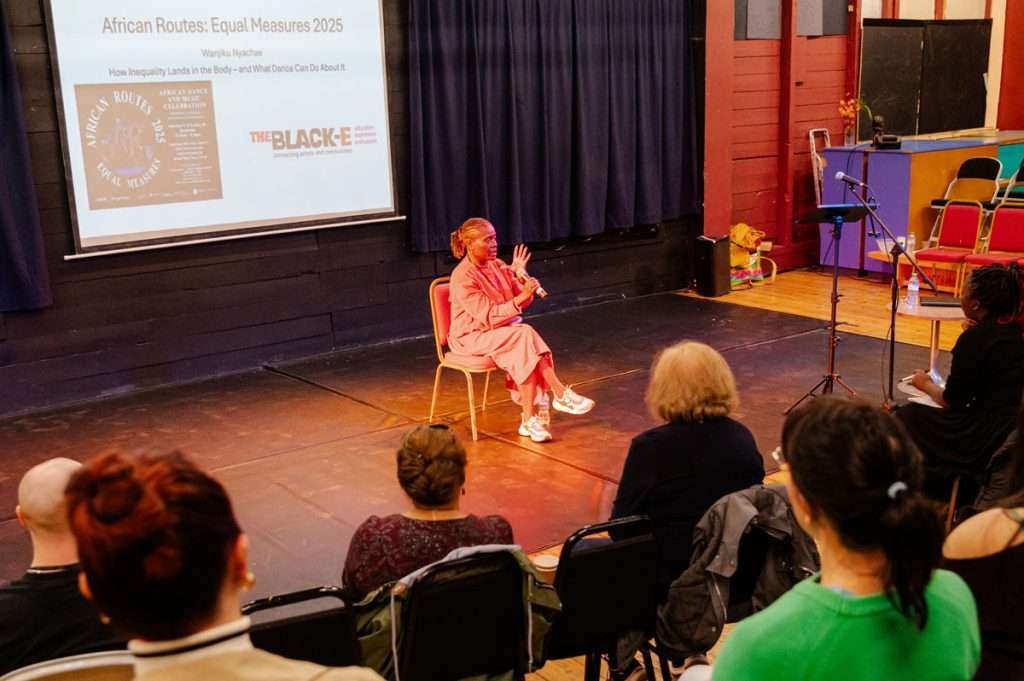
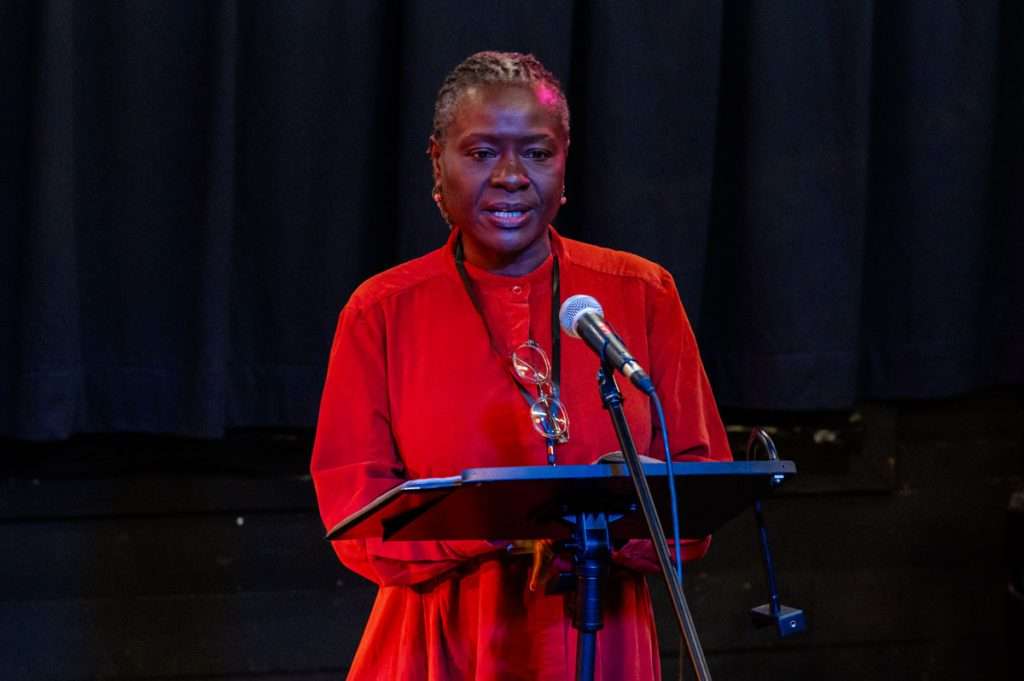
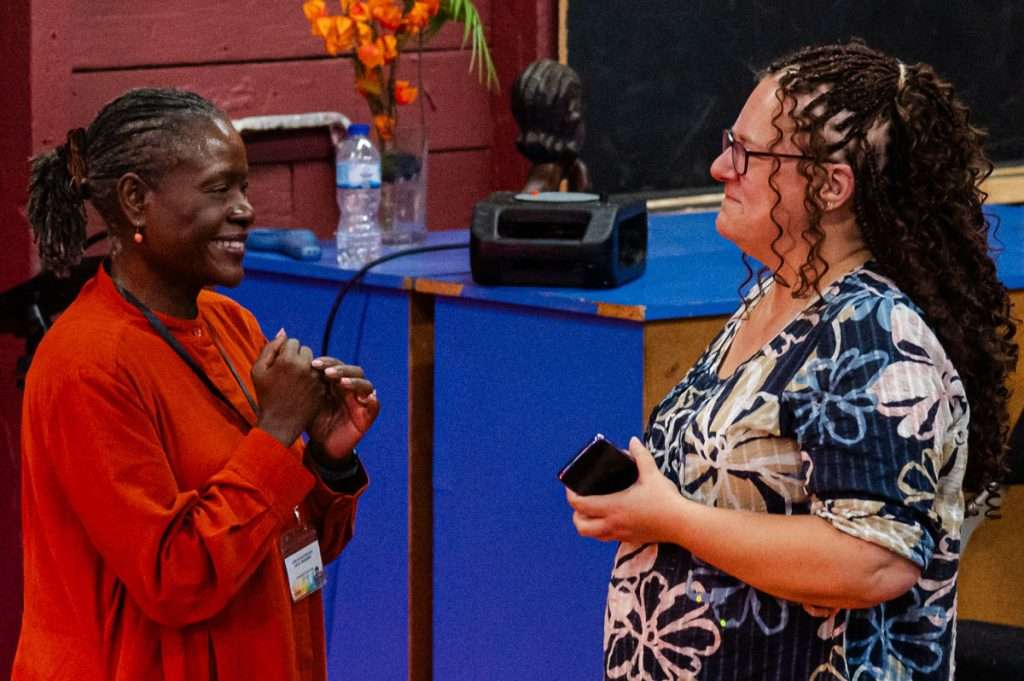
Wanjiku Nyachae – Equal Measures
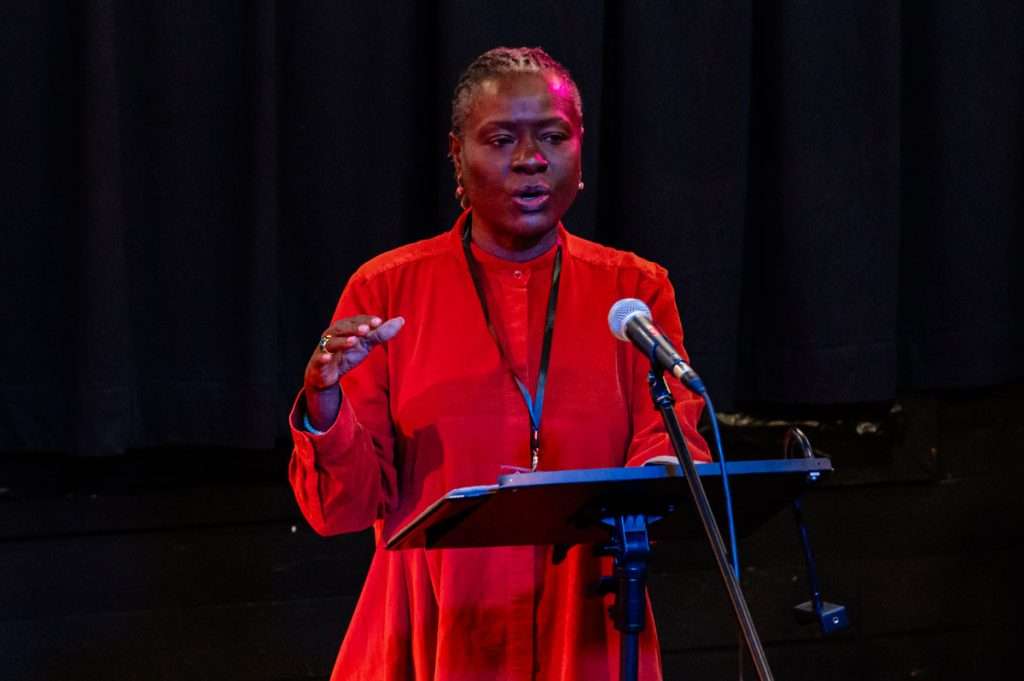
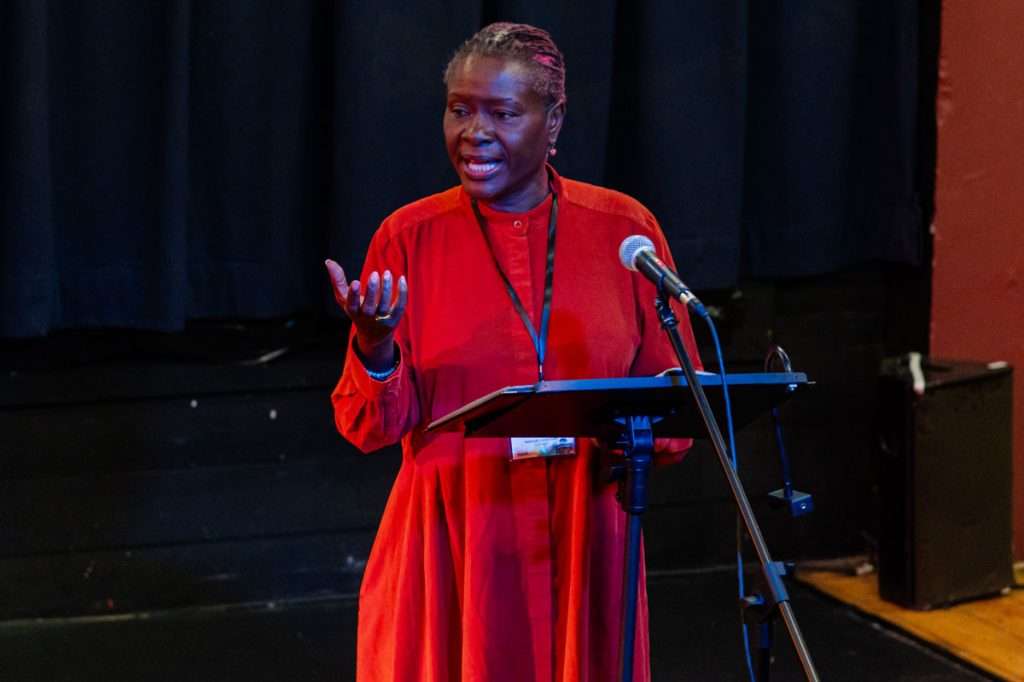
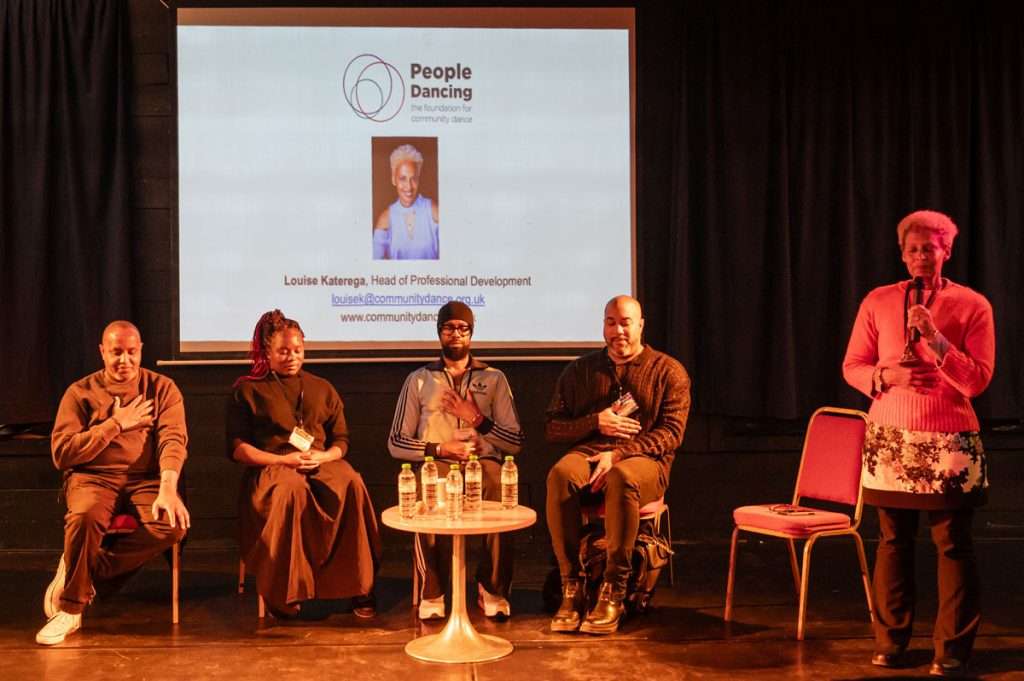
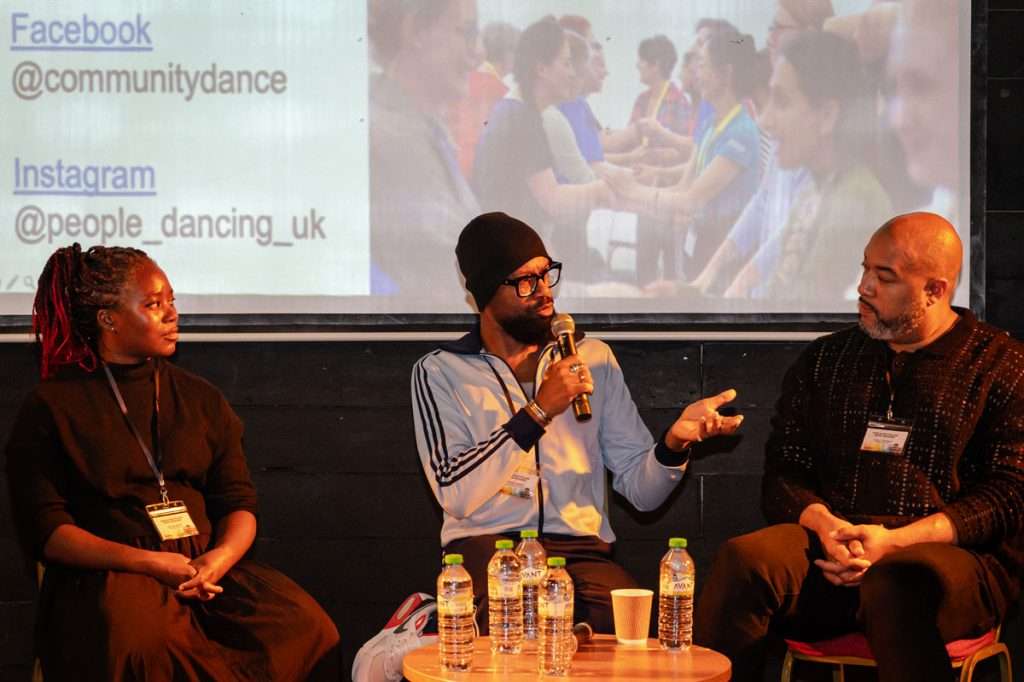
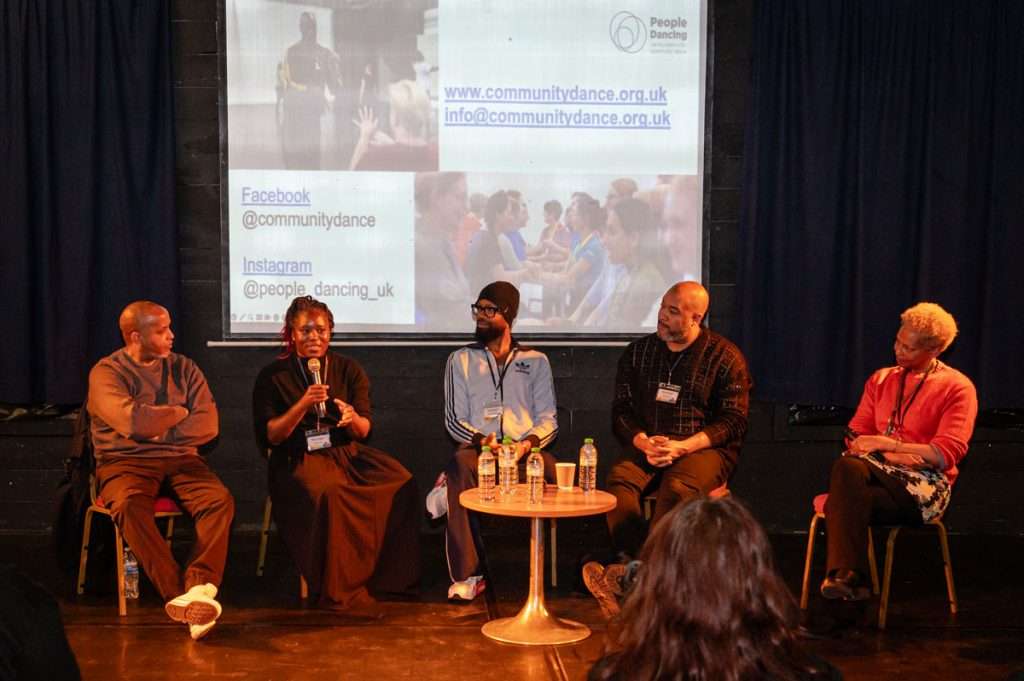
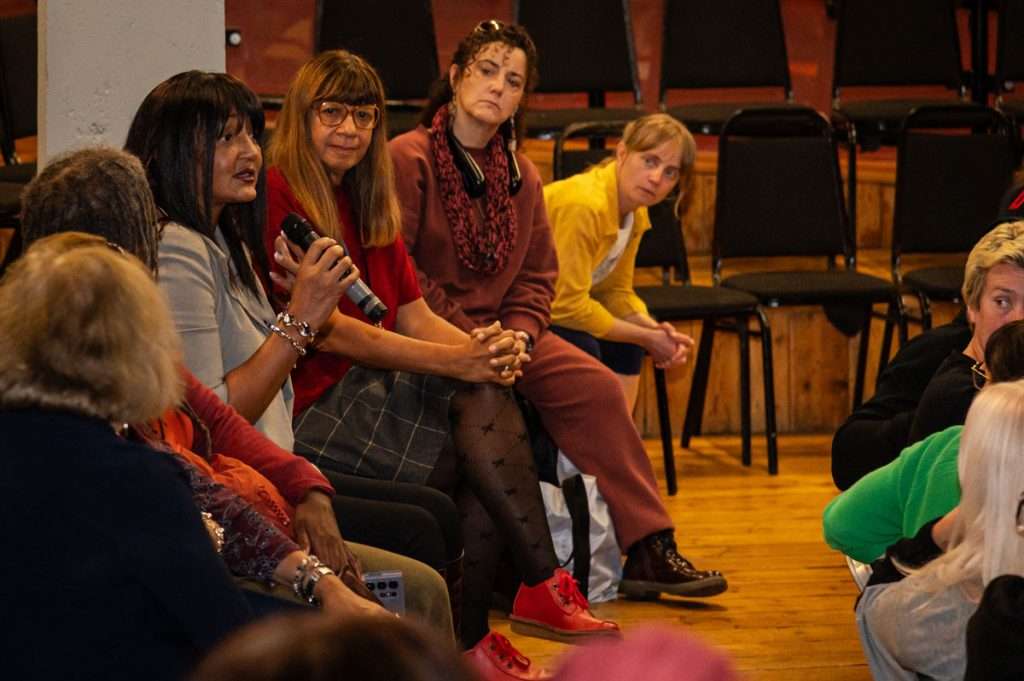
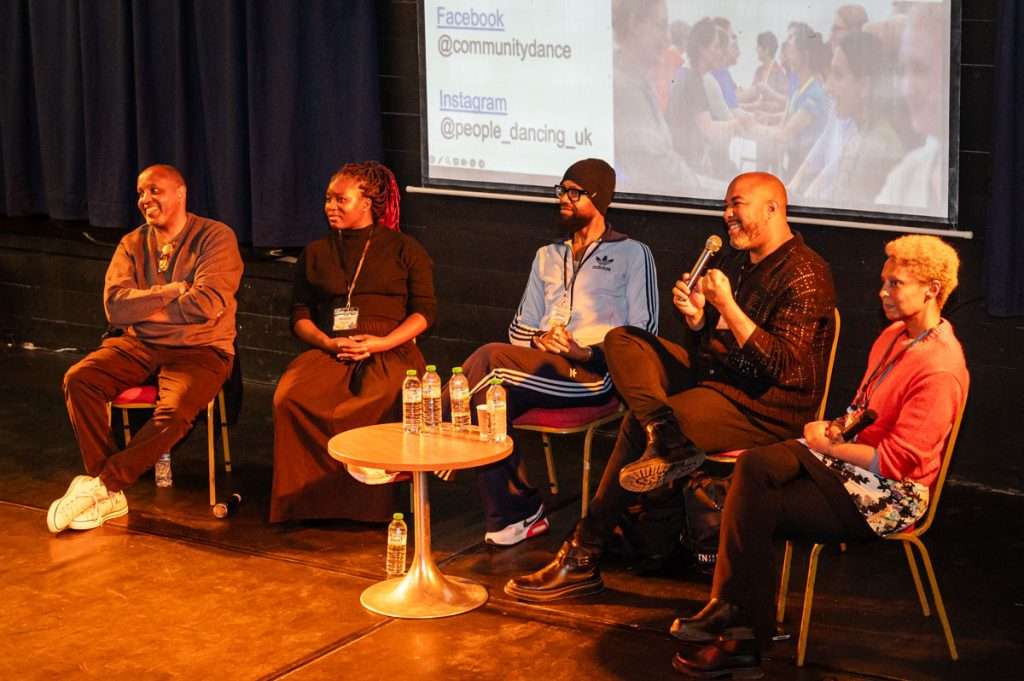
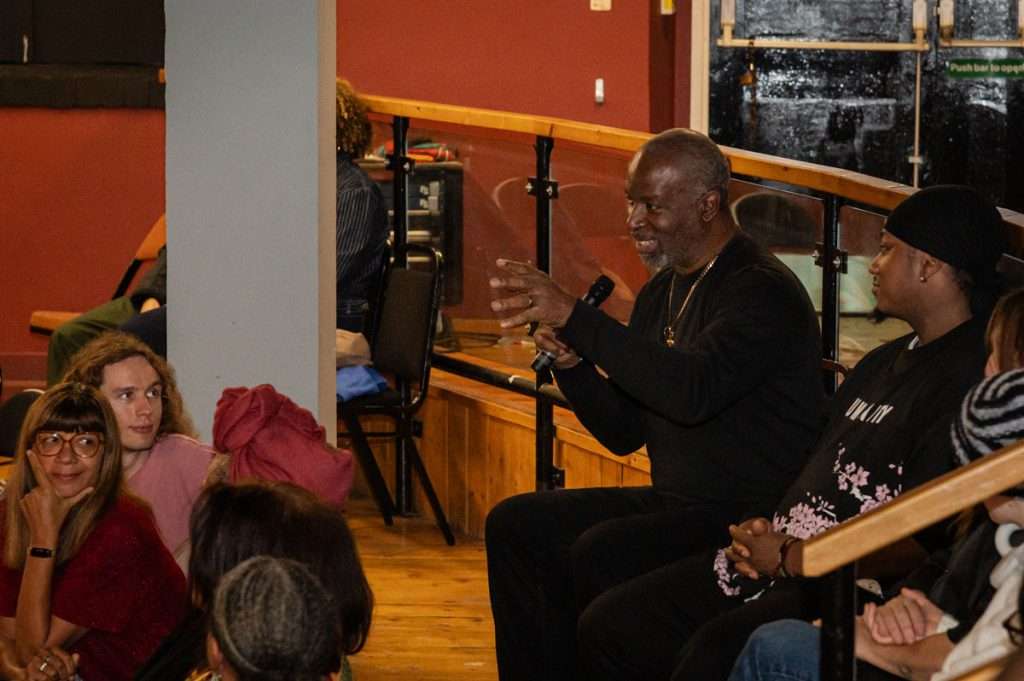
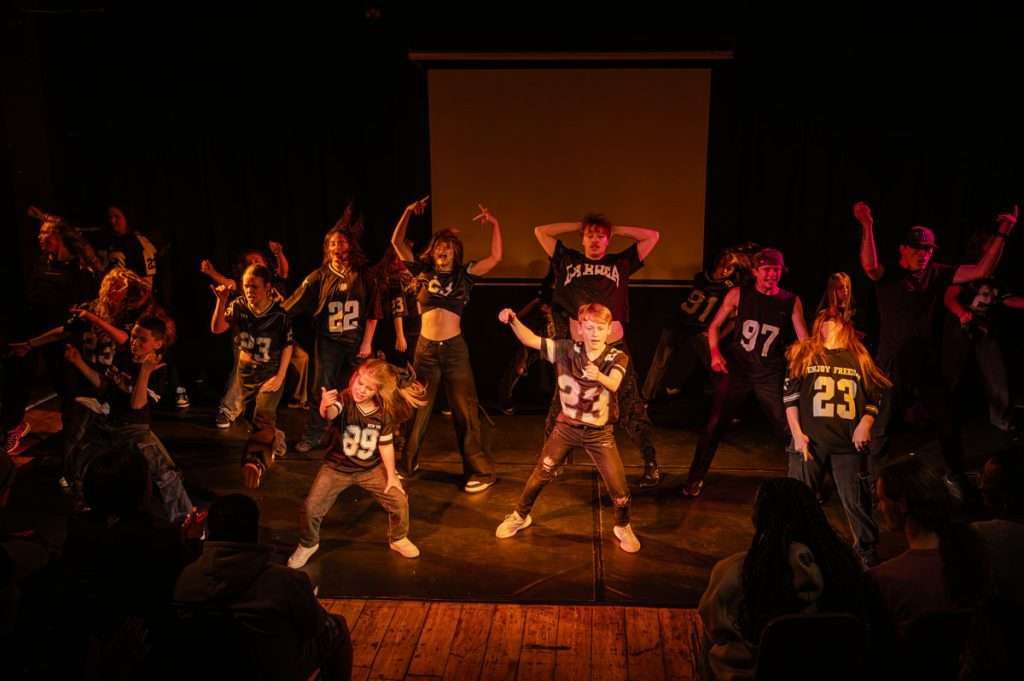
Black Dance Forum – Shaping the future of community dance
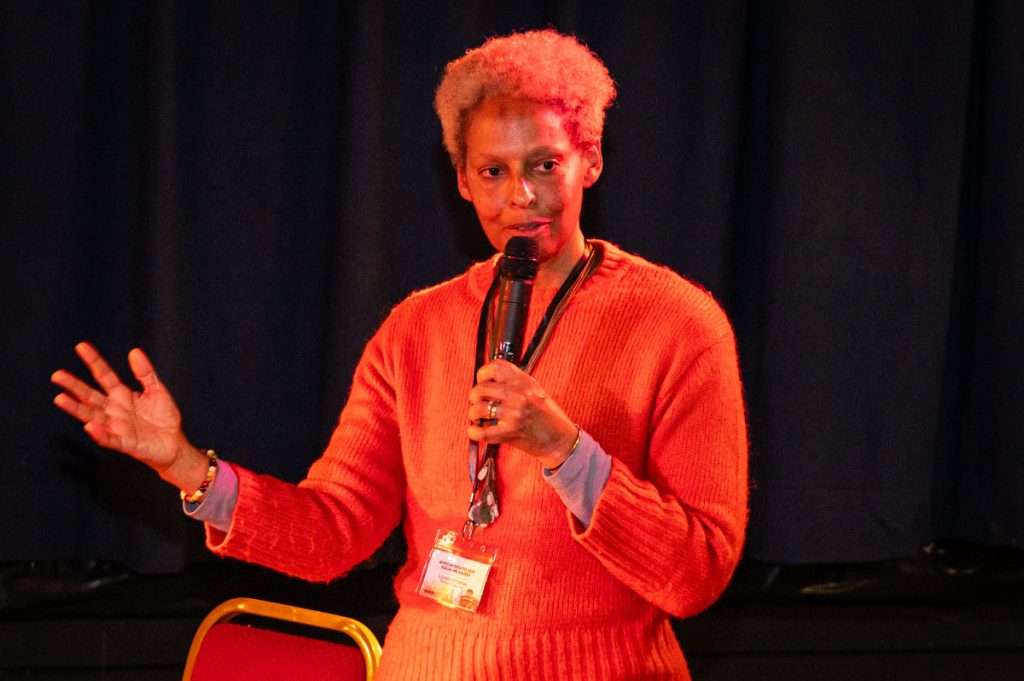
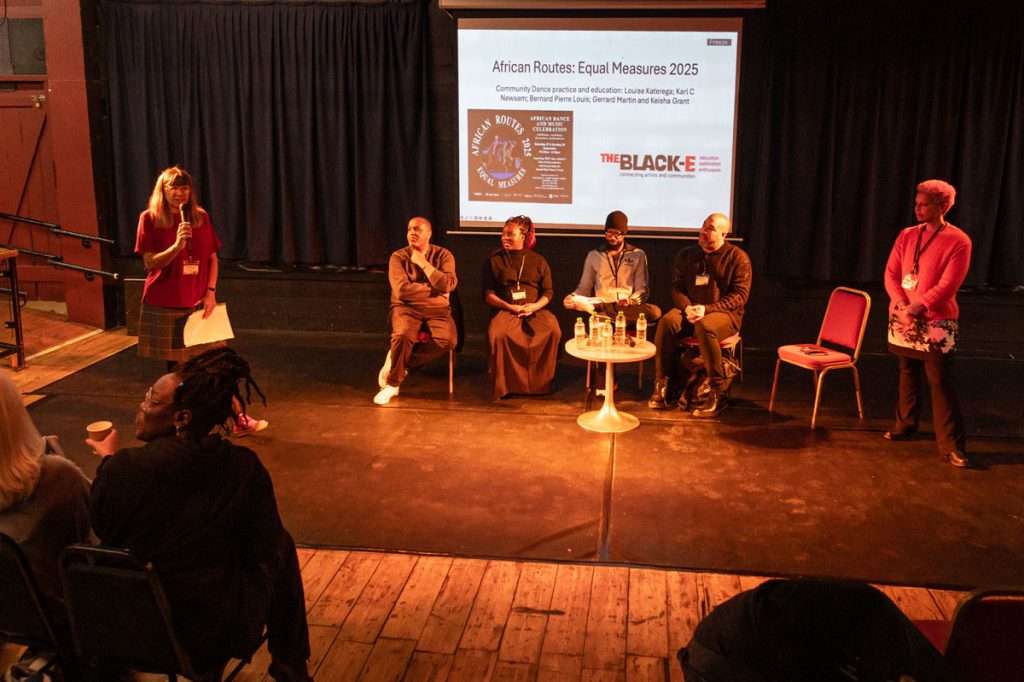
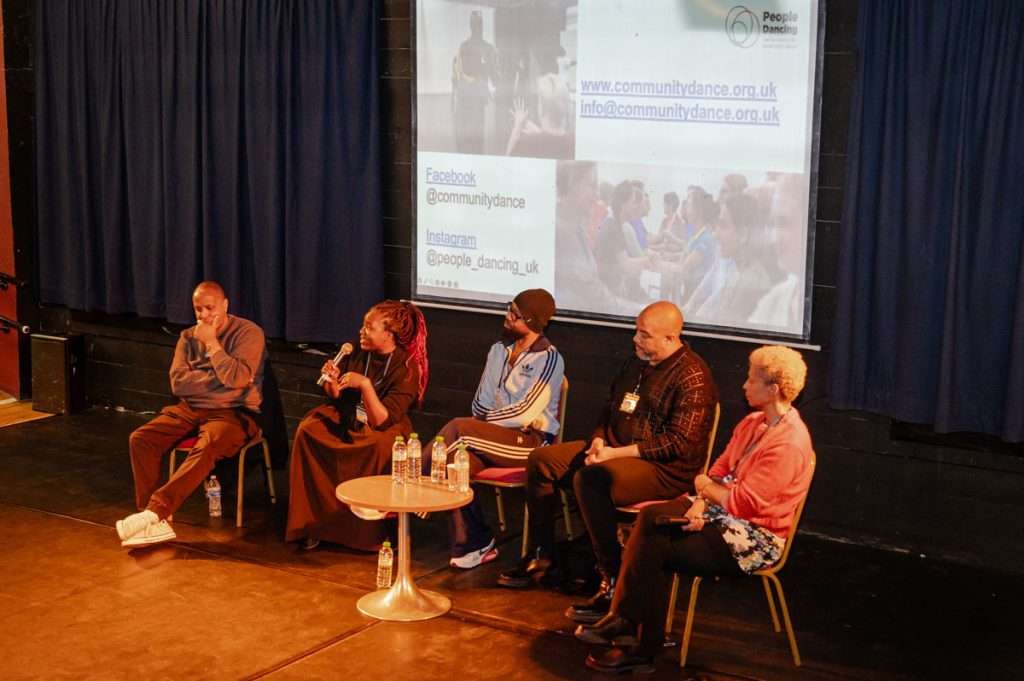
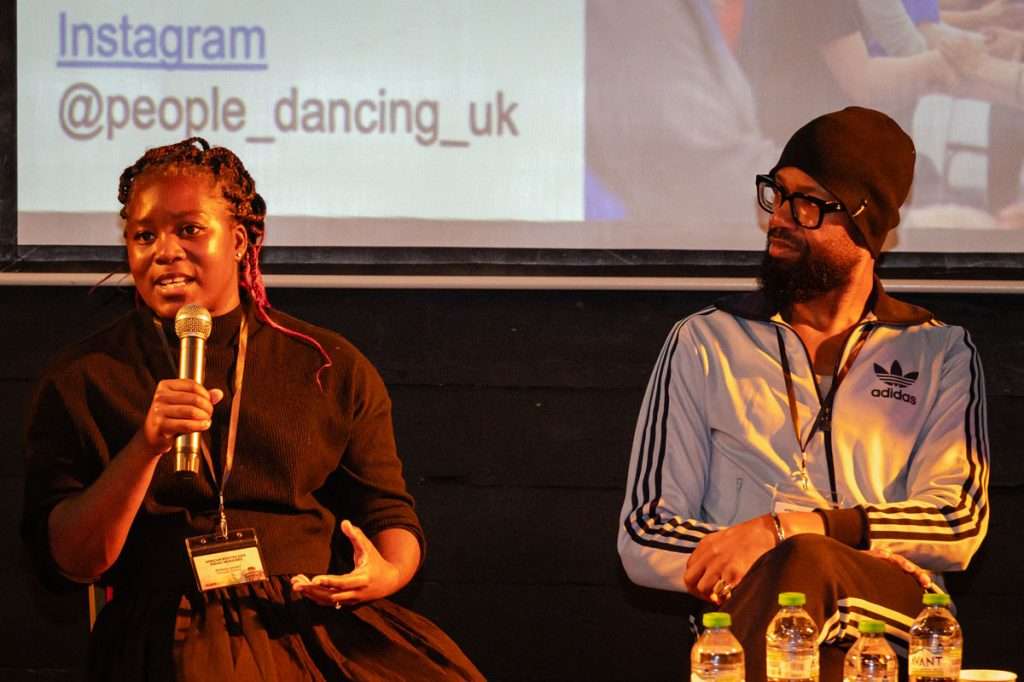
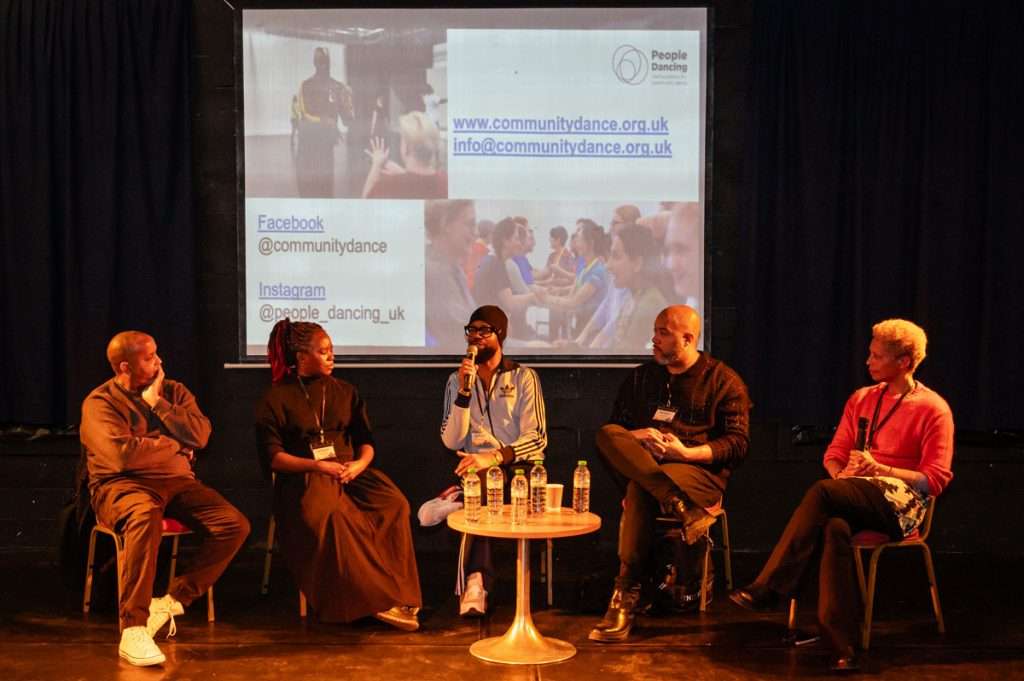
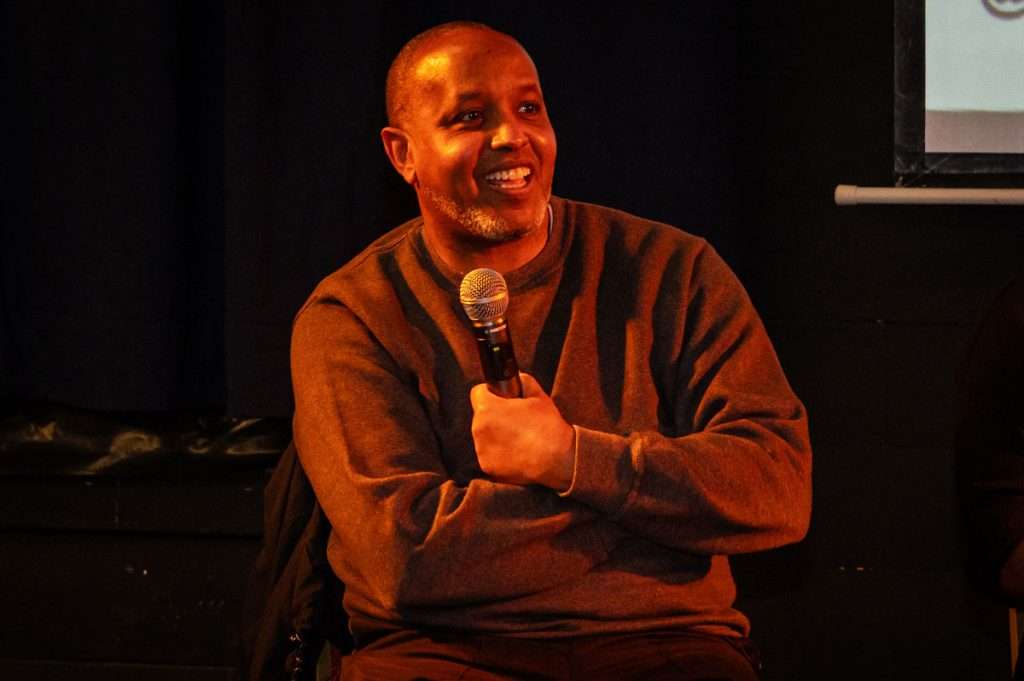
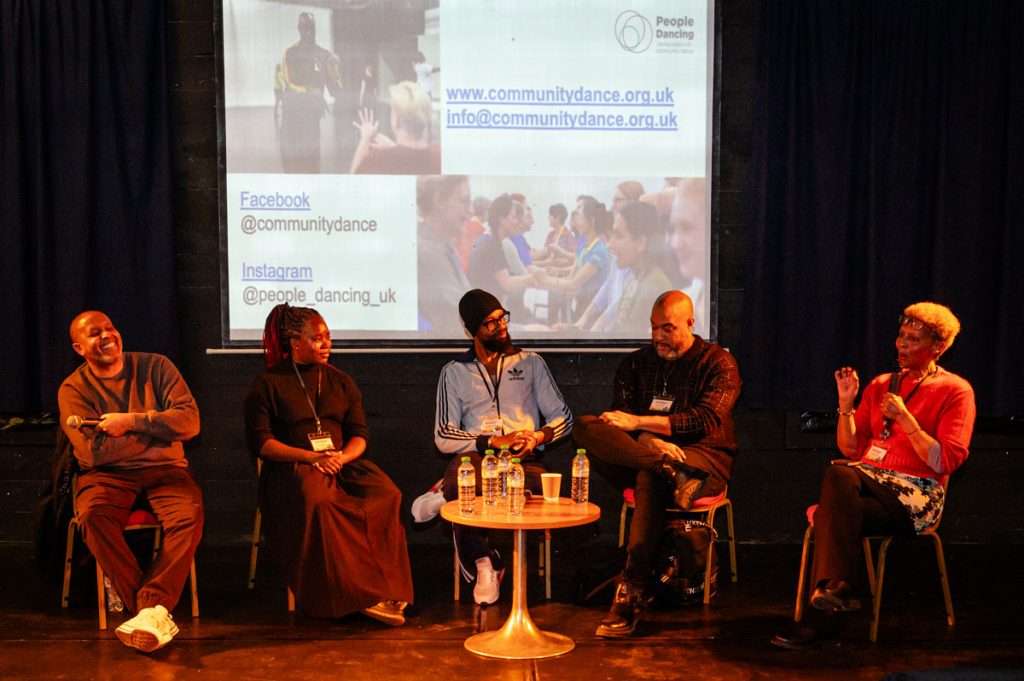
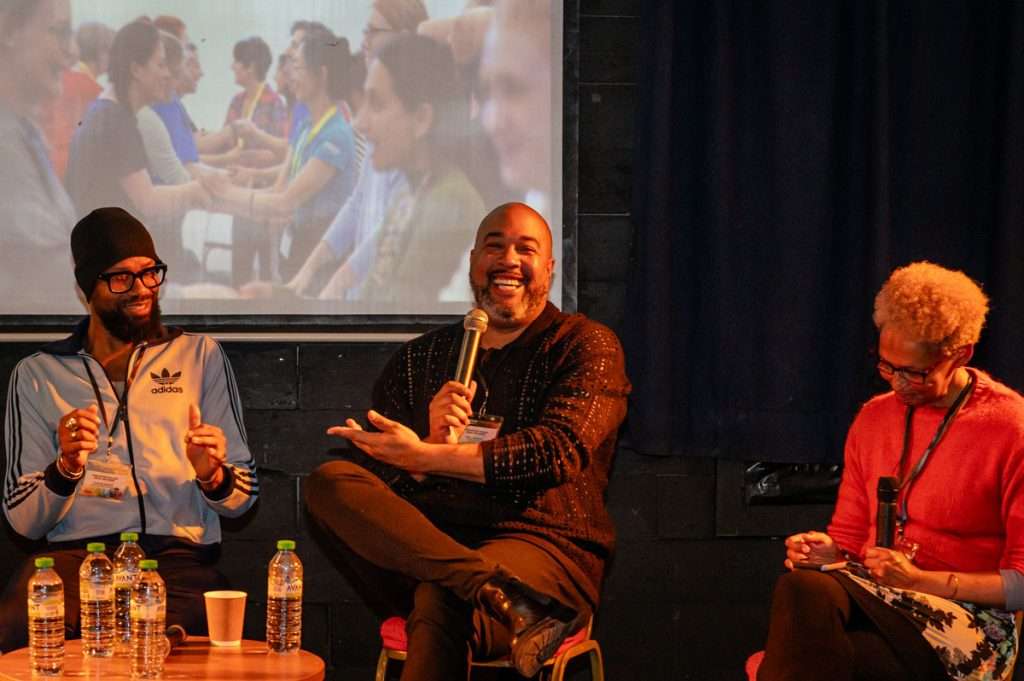
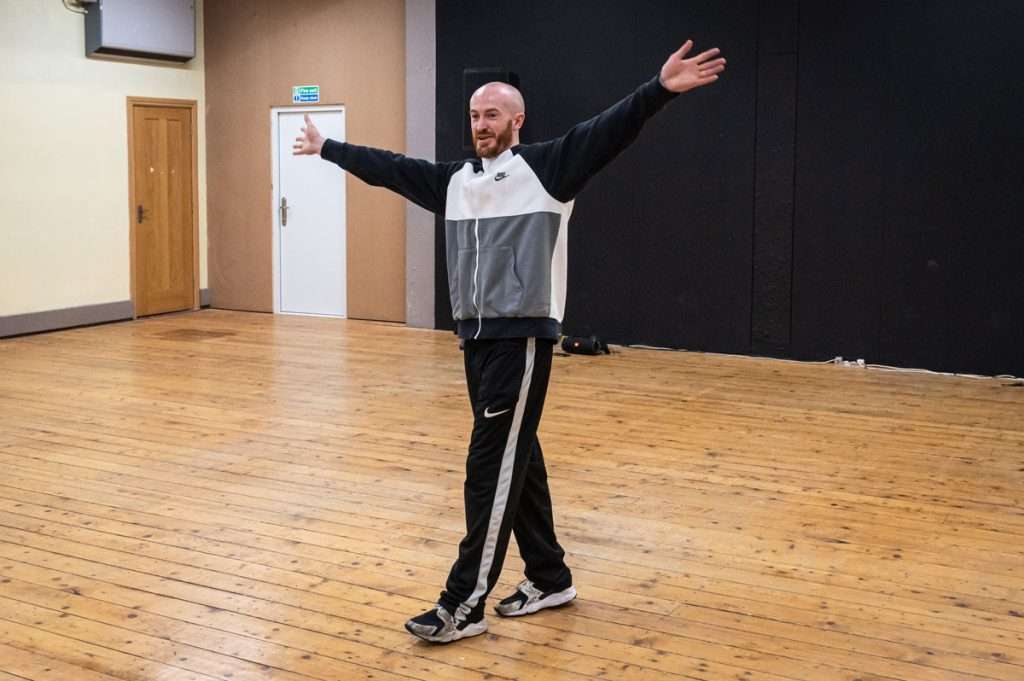
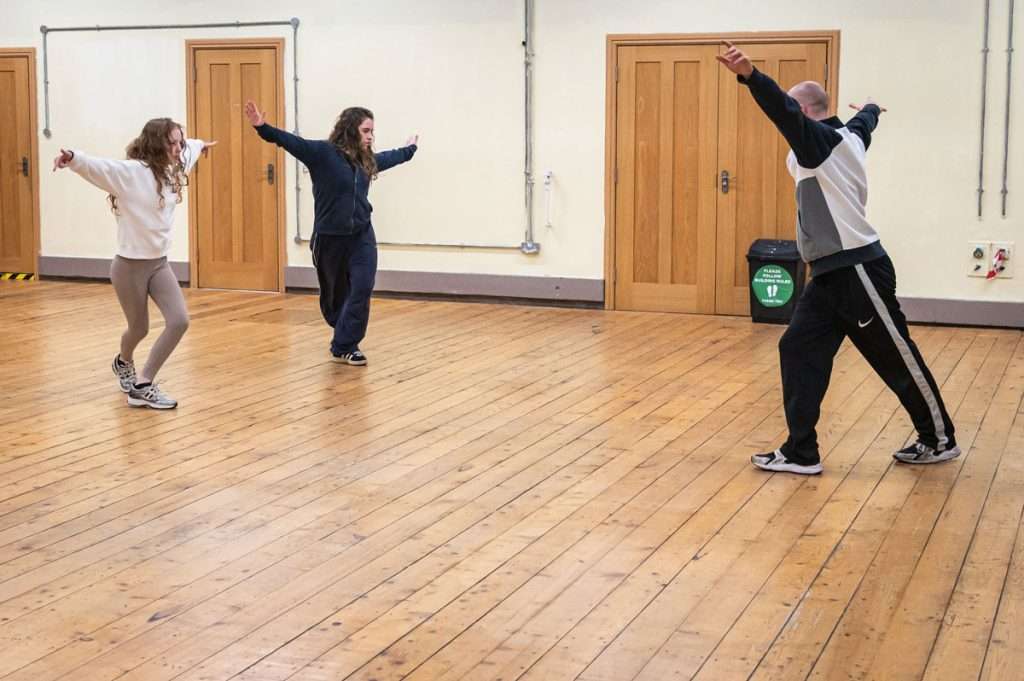
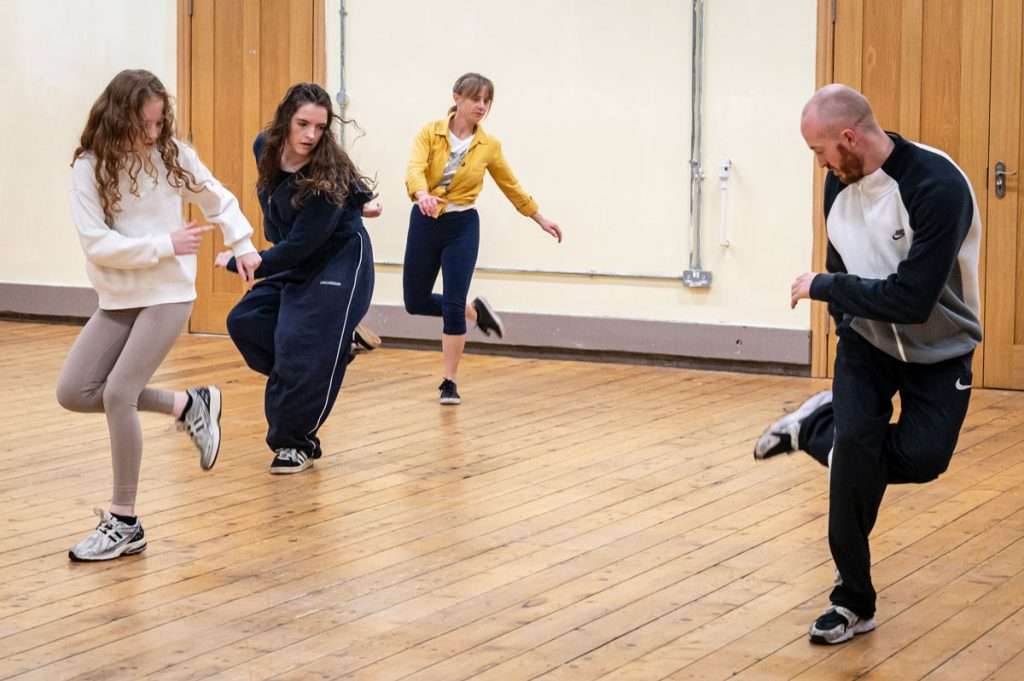
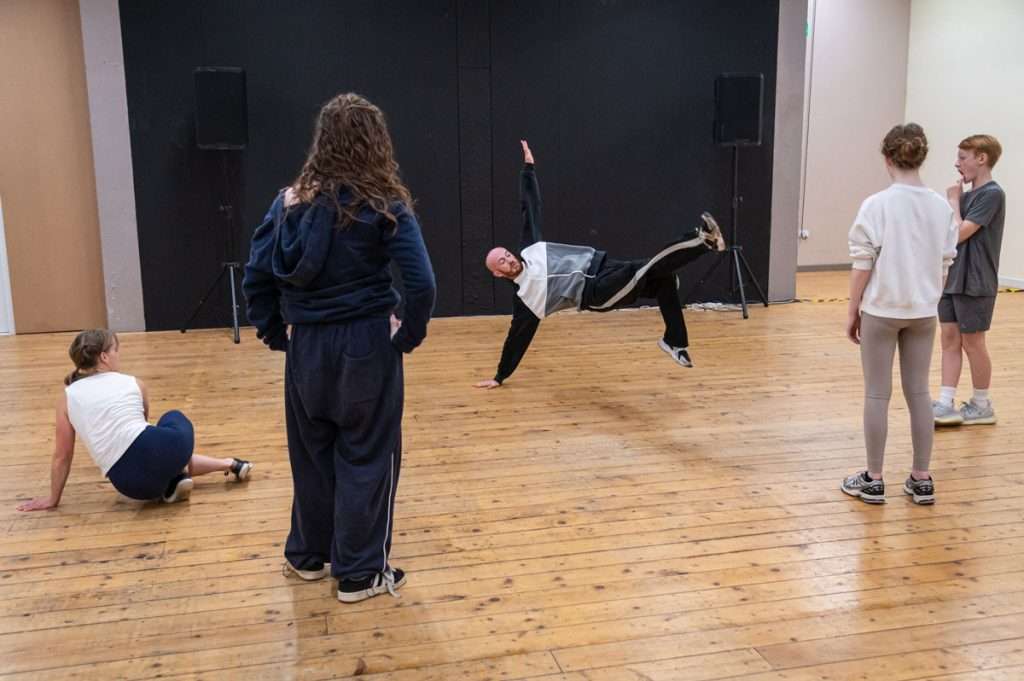
Dockside Breakers – Workshop
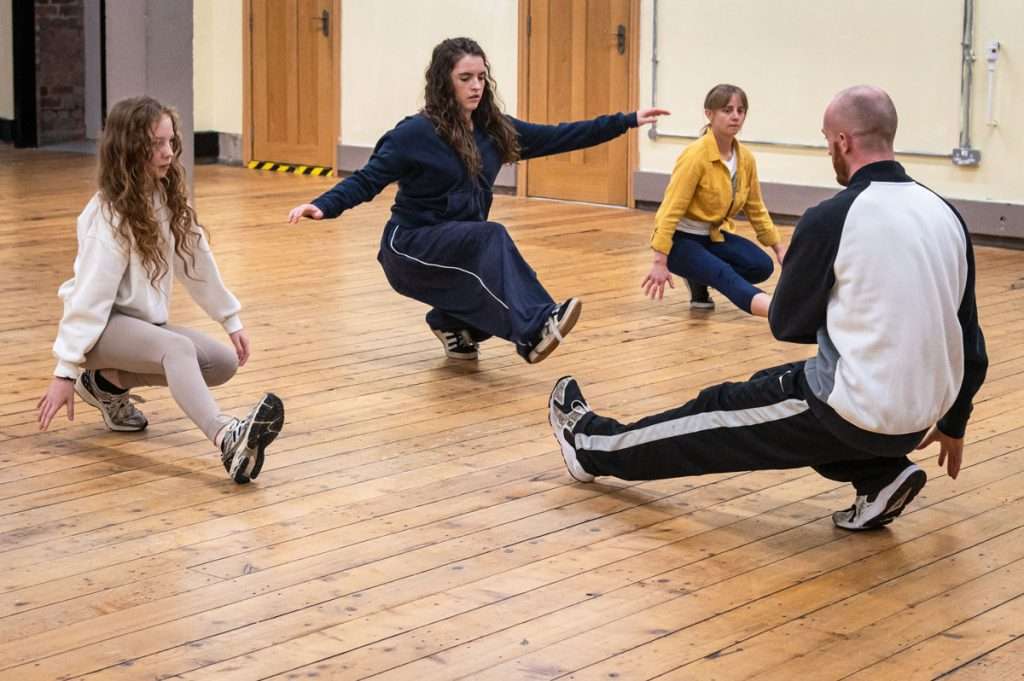
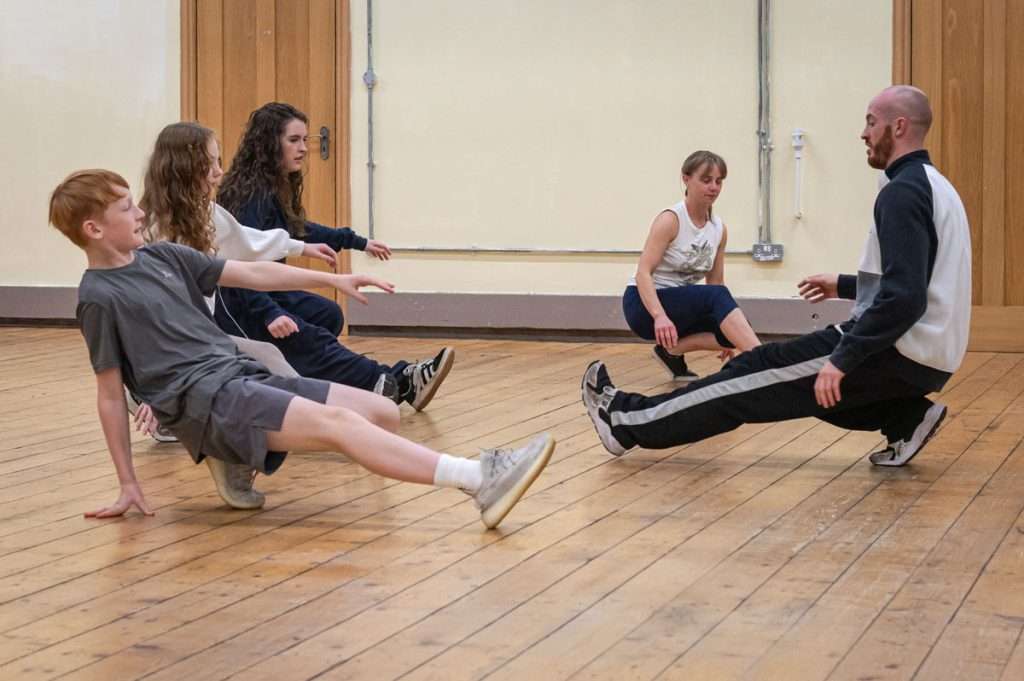
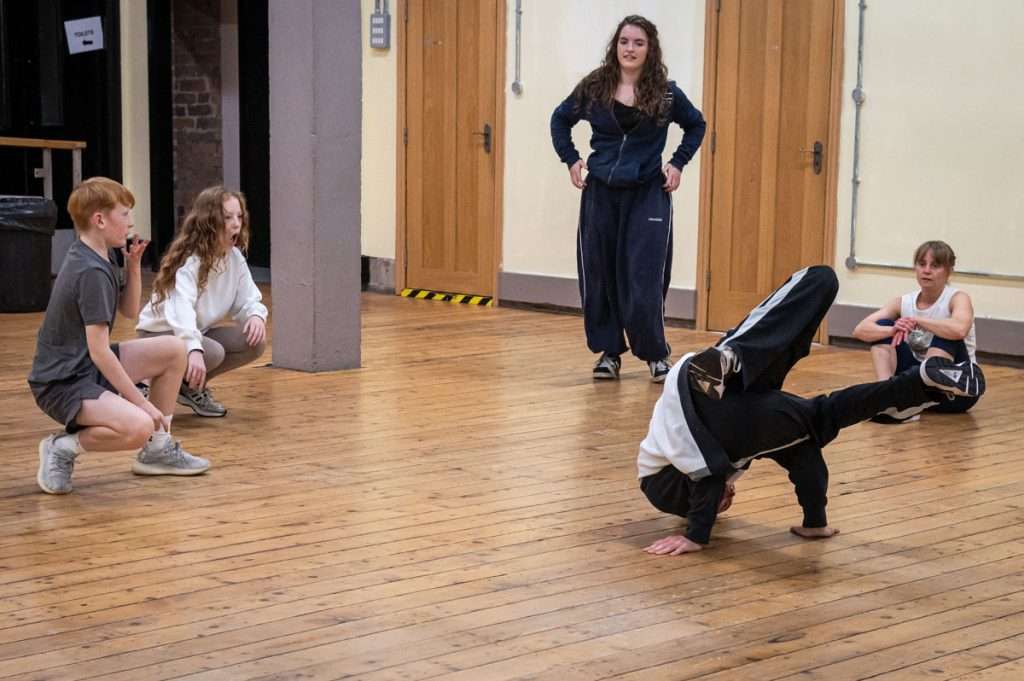
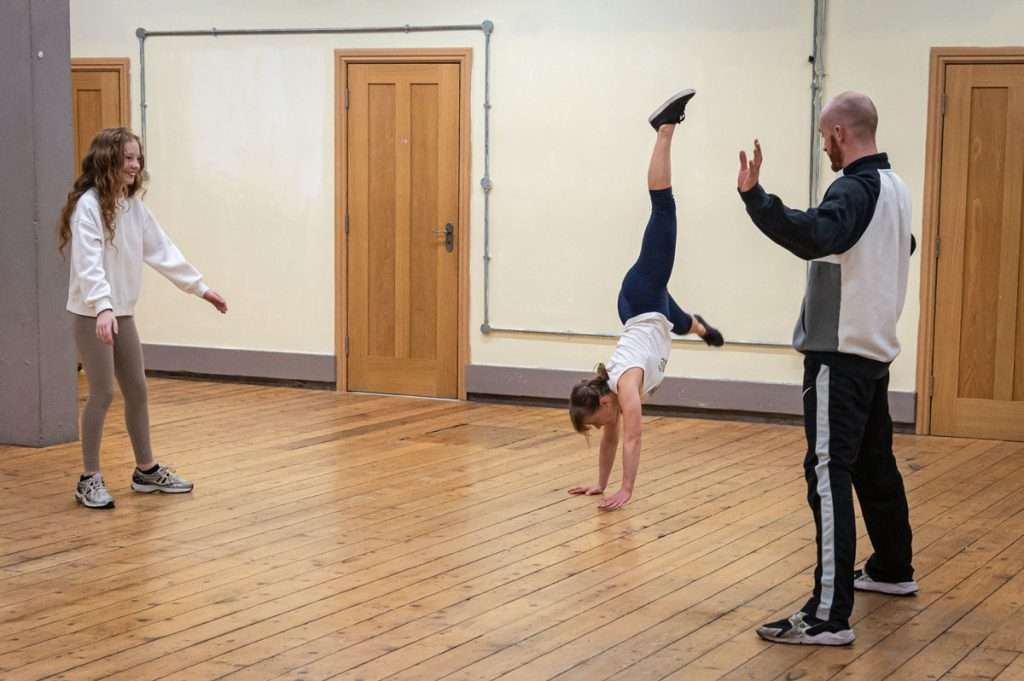
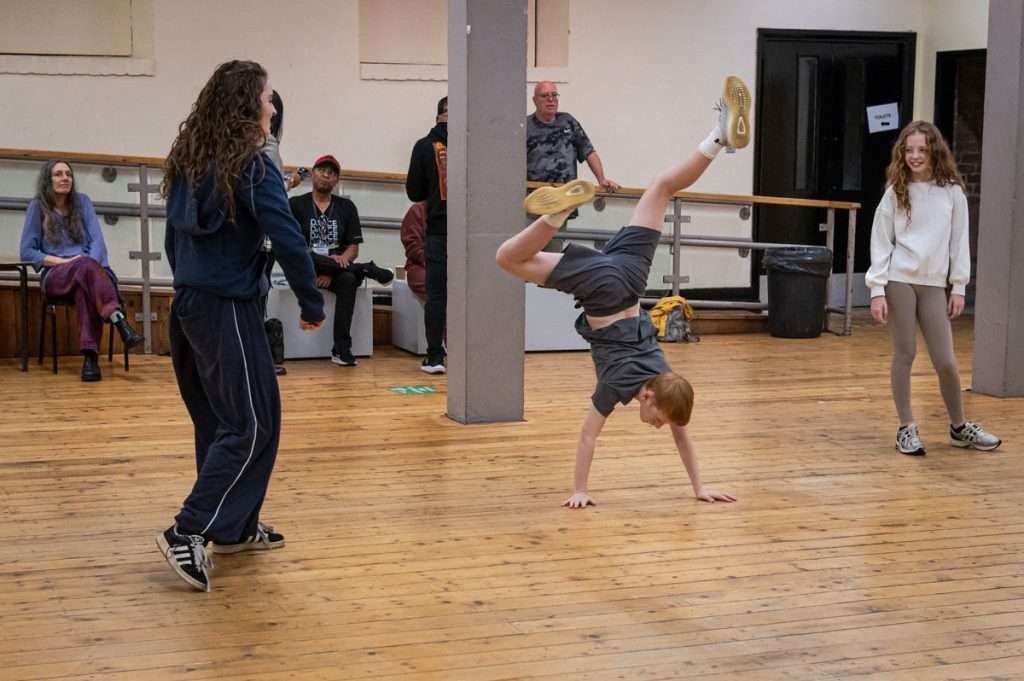
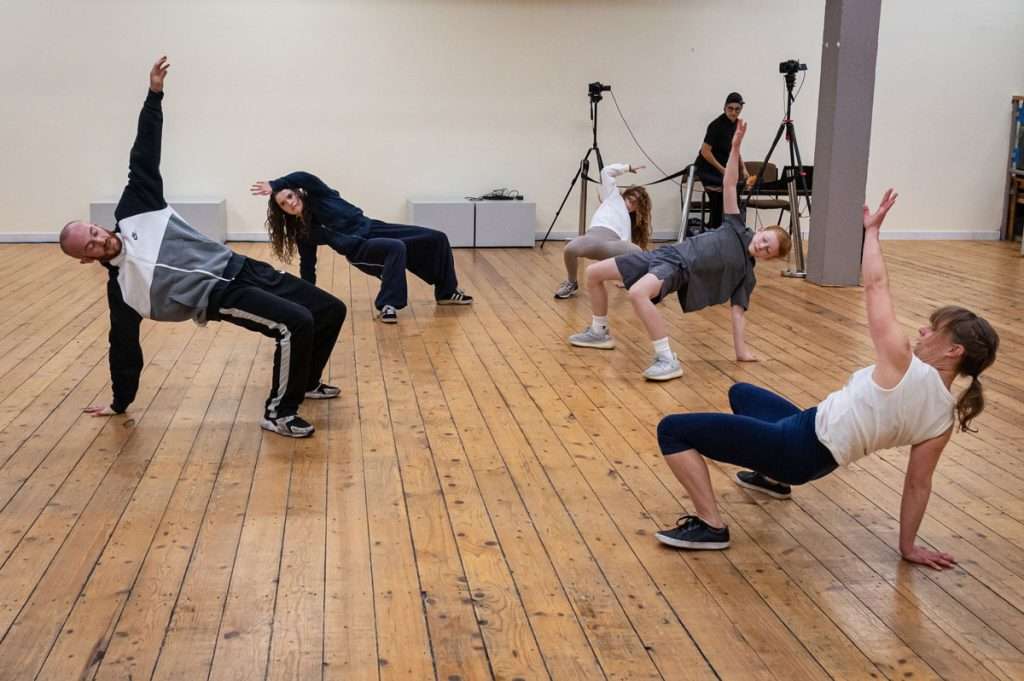
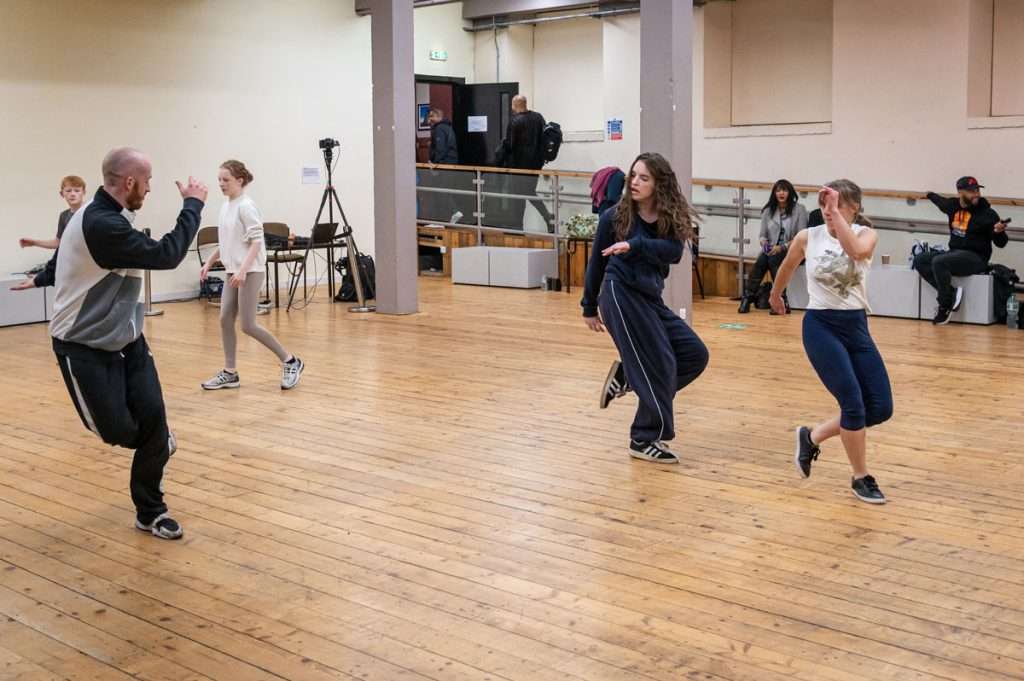
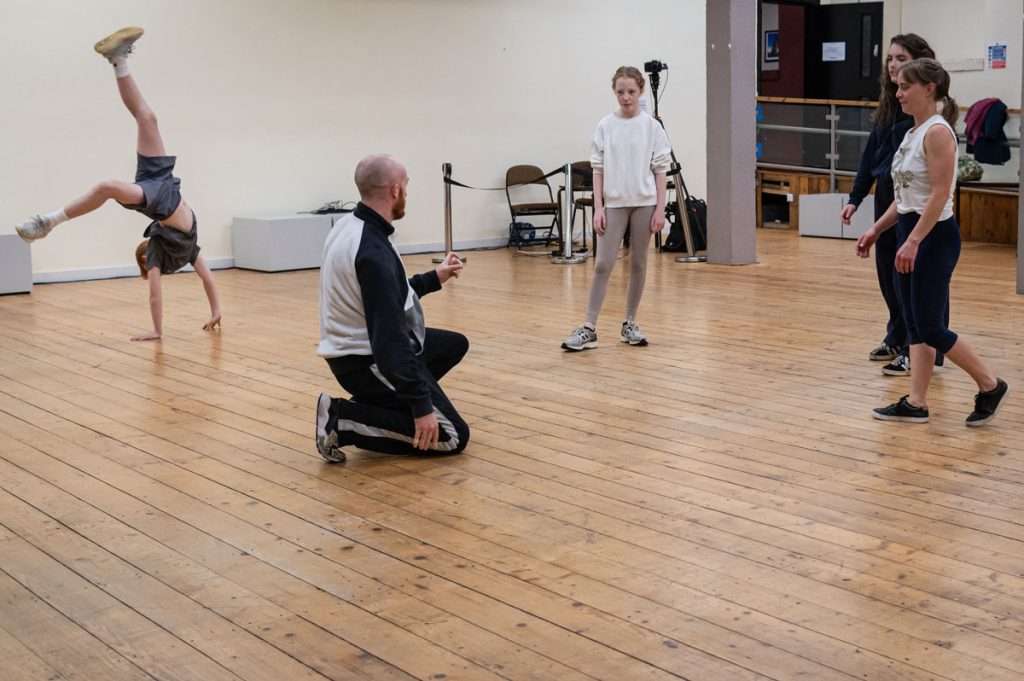
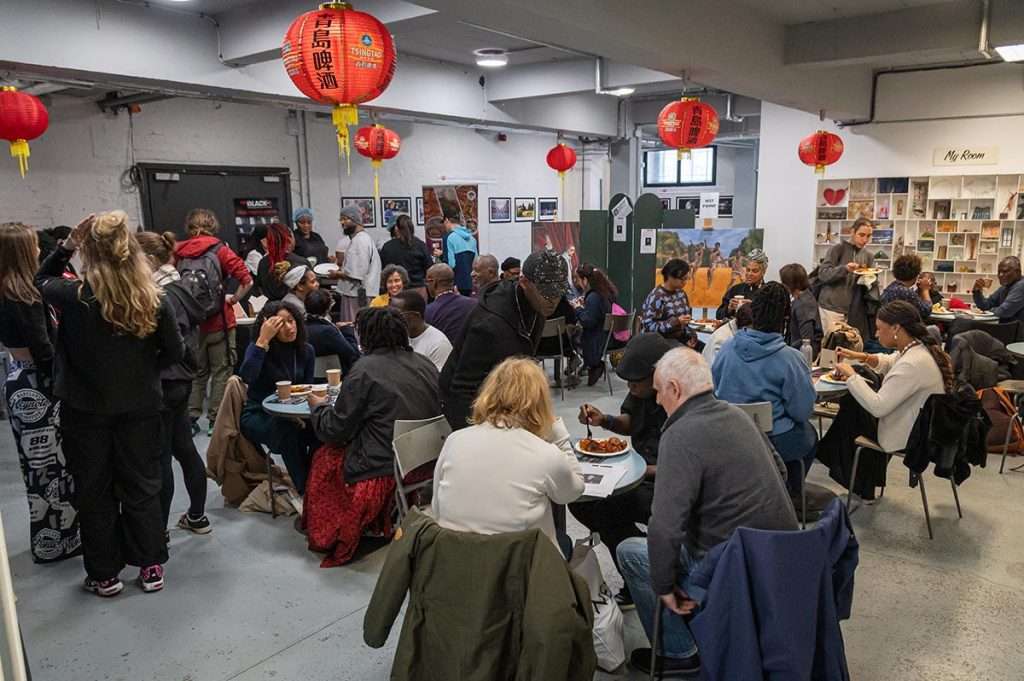
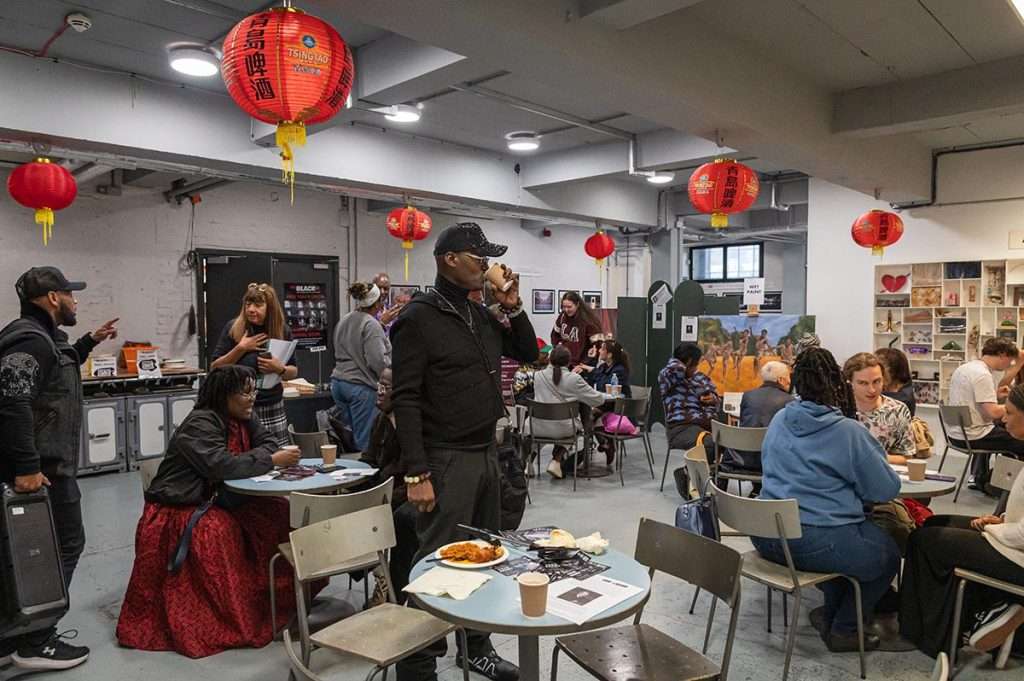
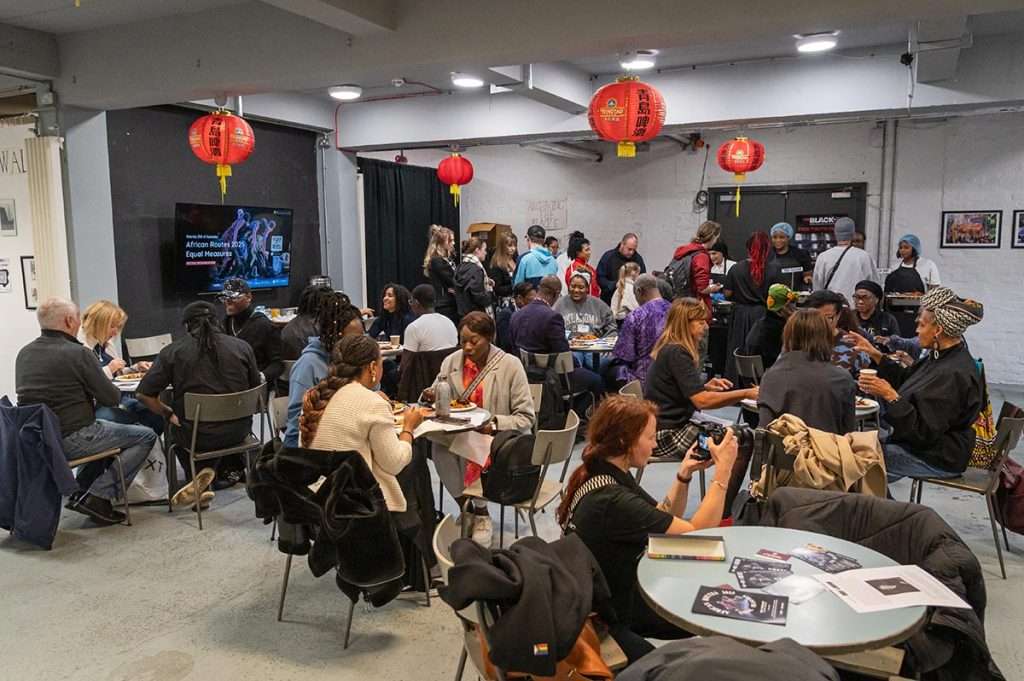
African Themed Lunch
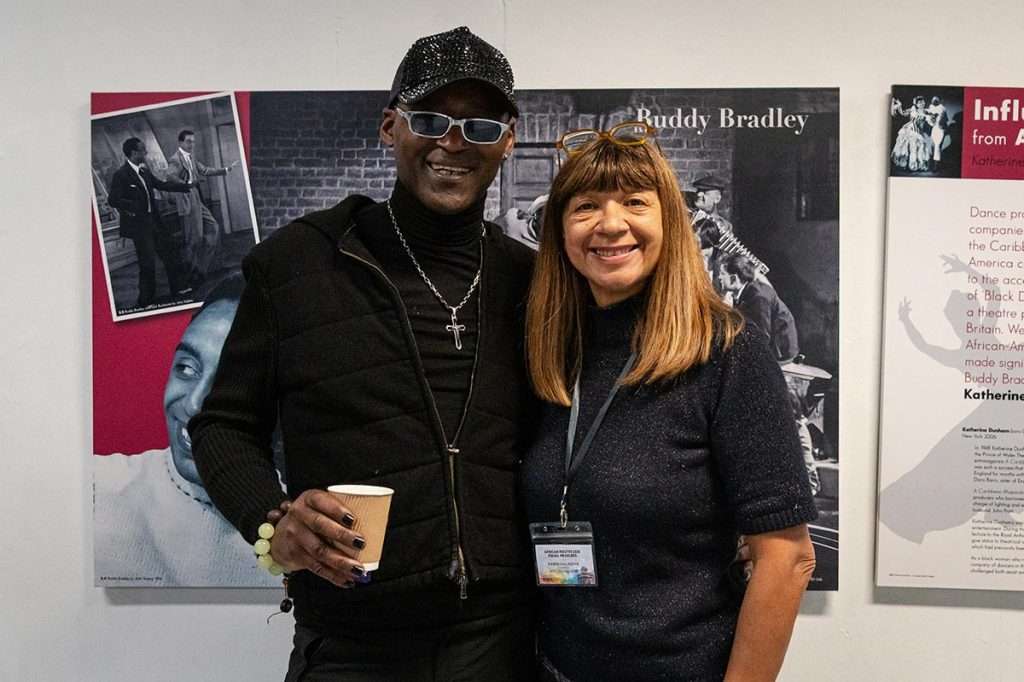
Felix Ologbosere – Drumming Masterclass
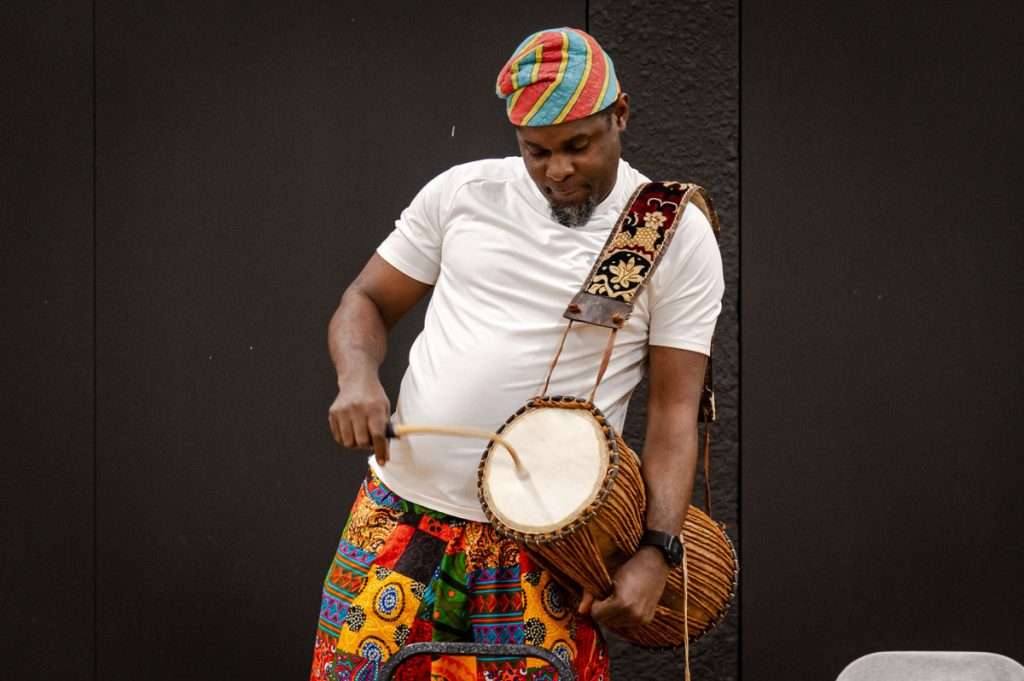
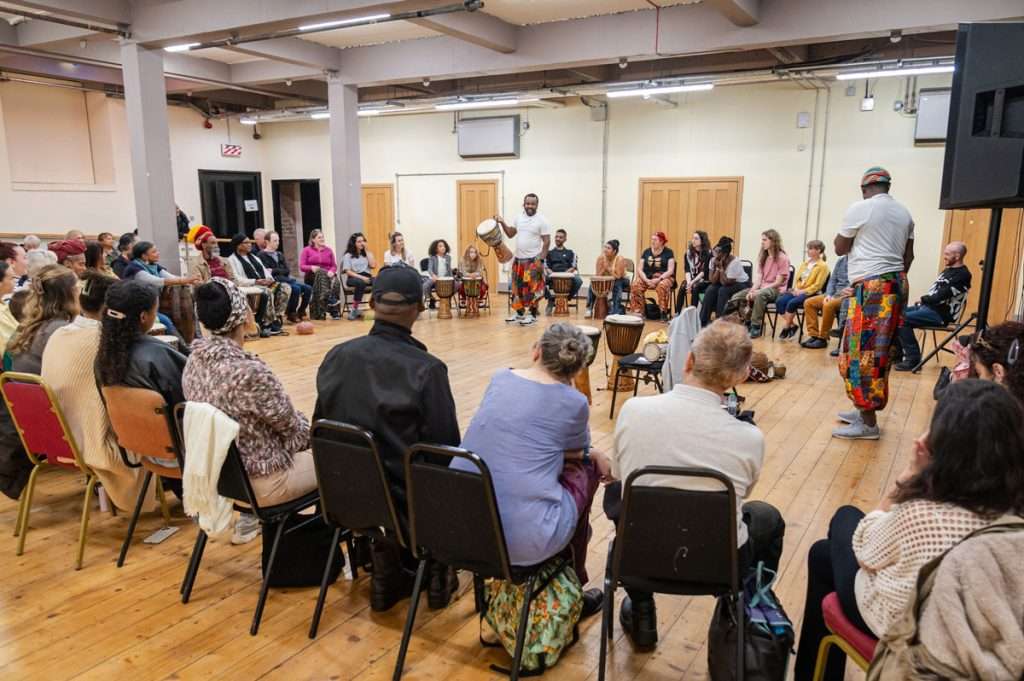
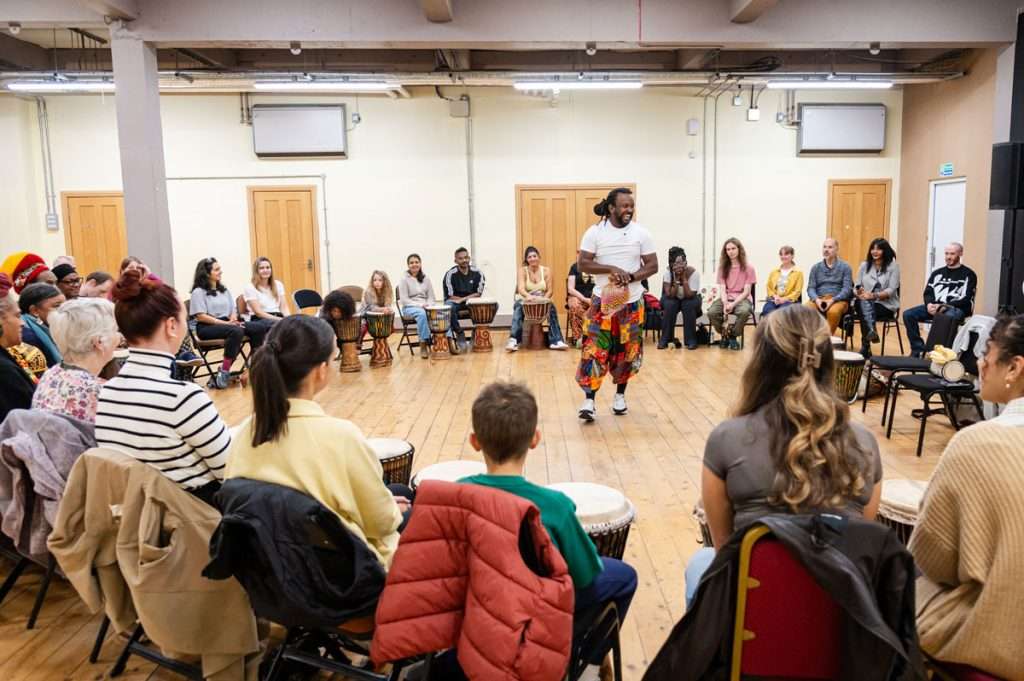
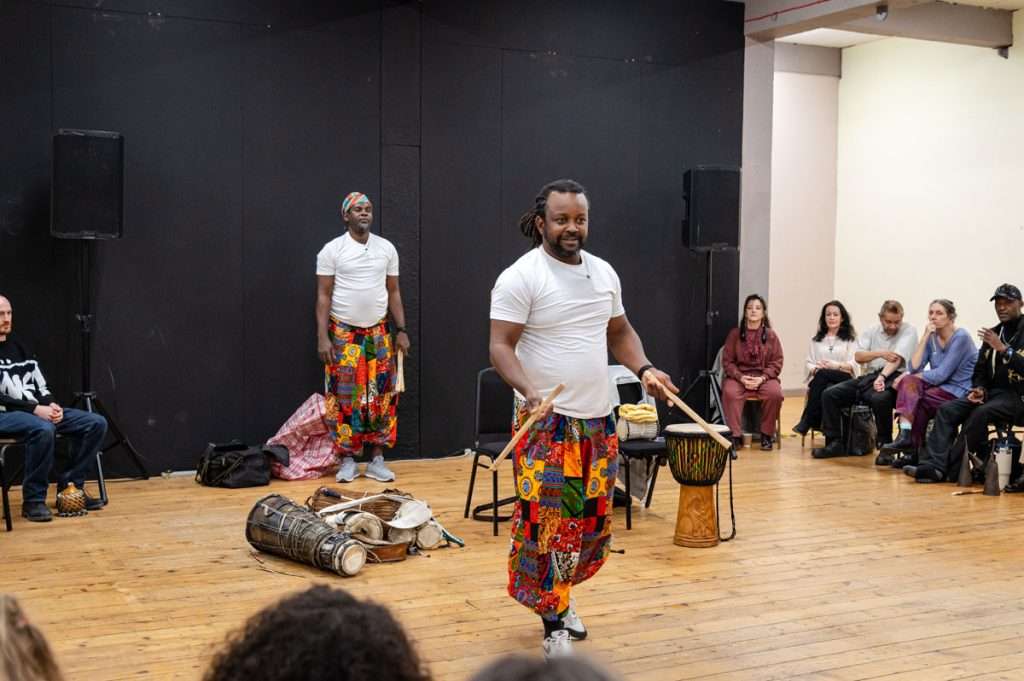
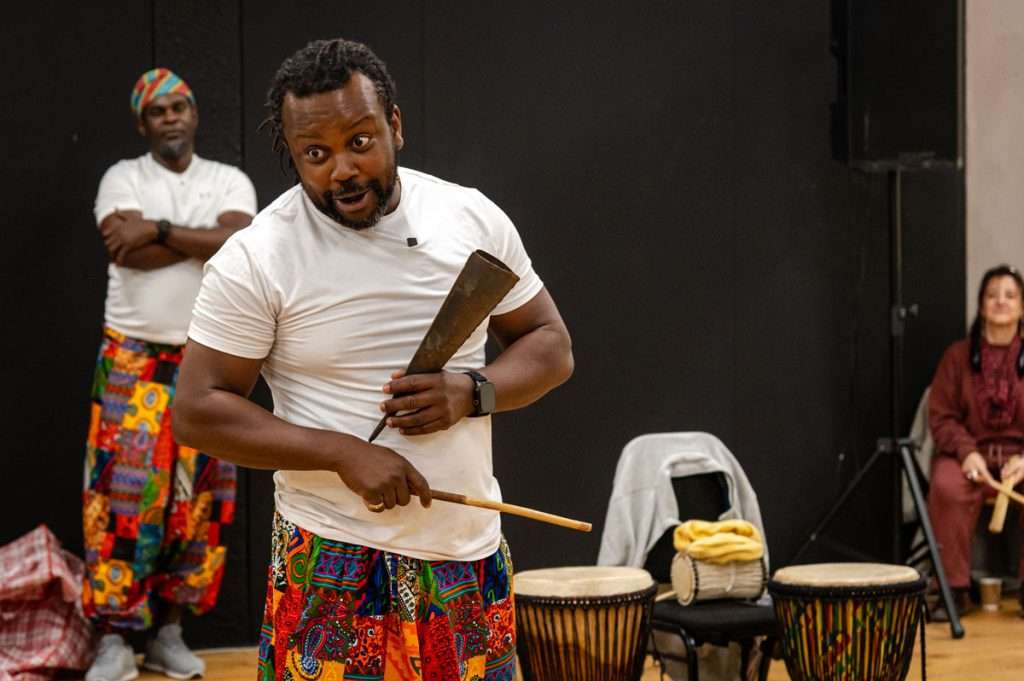
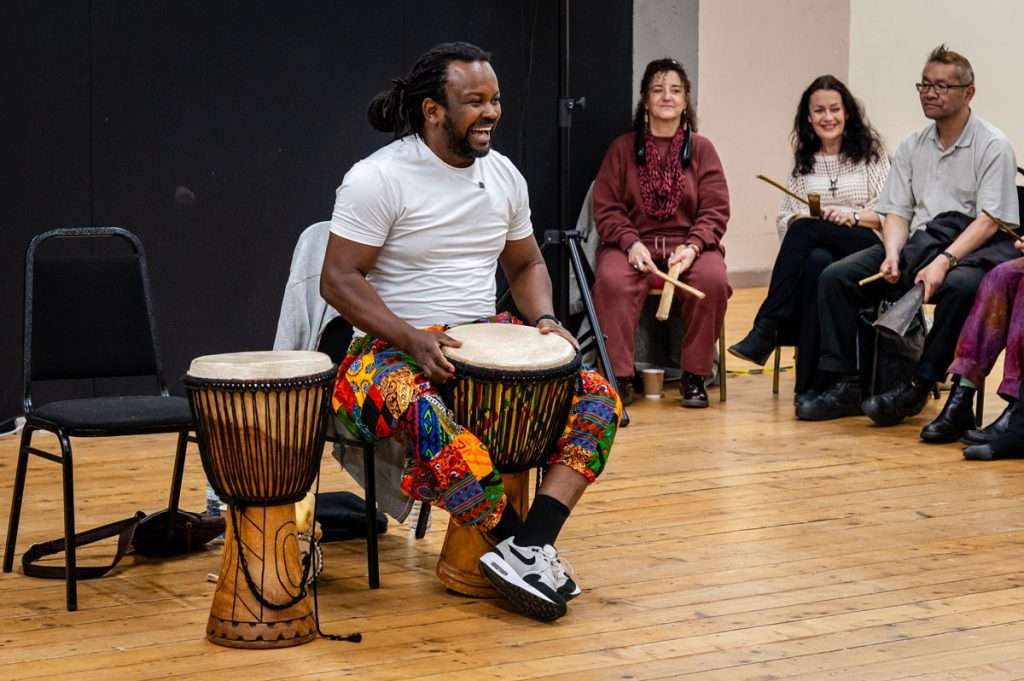
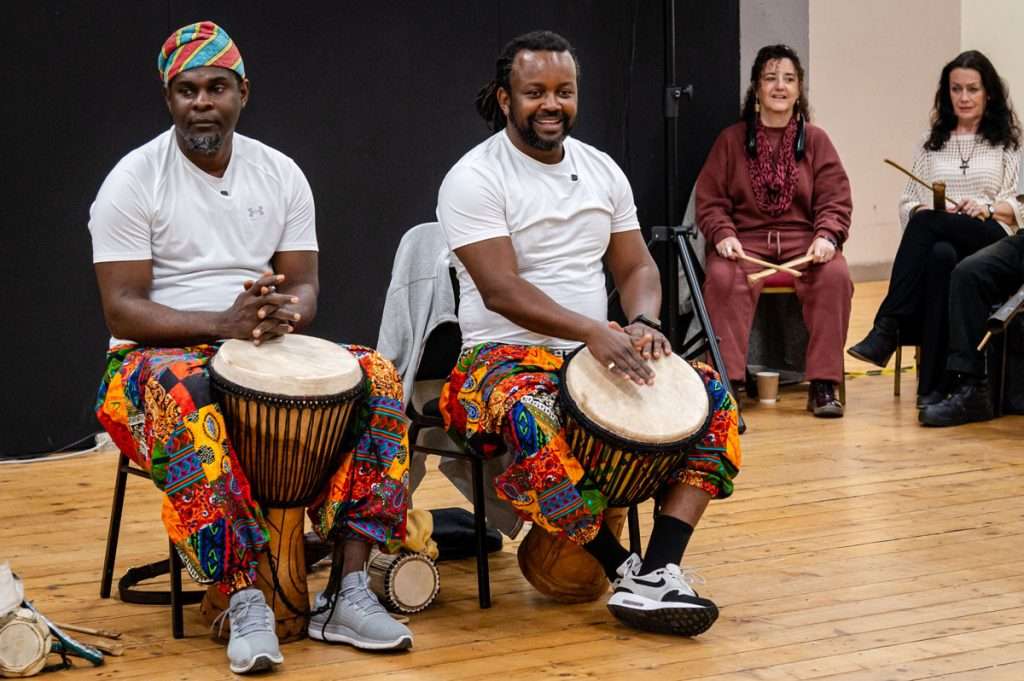
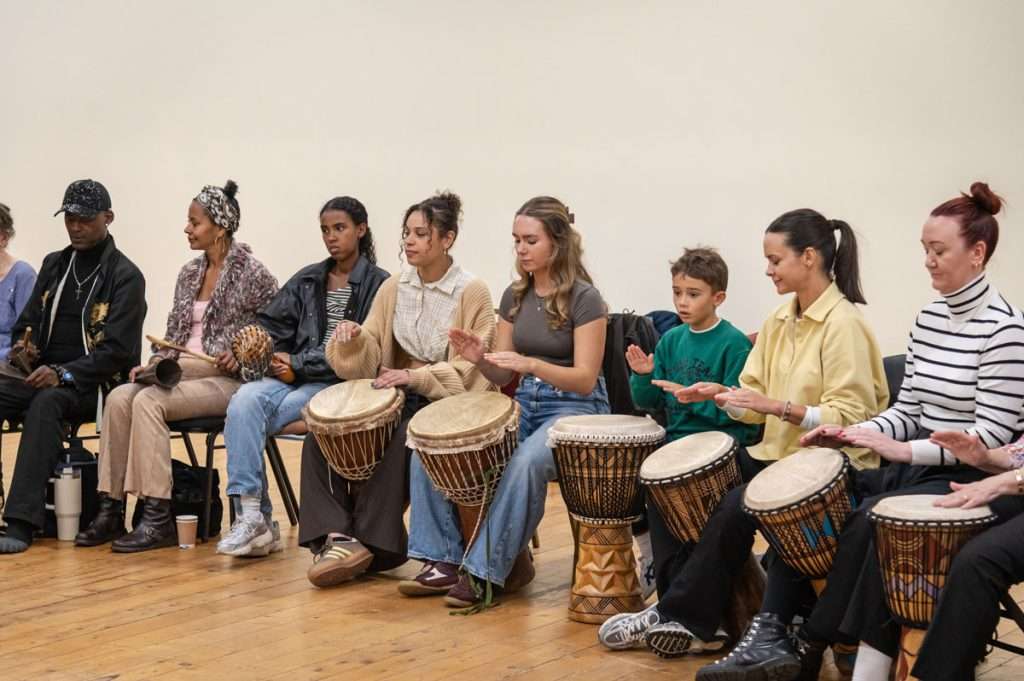
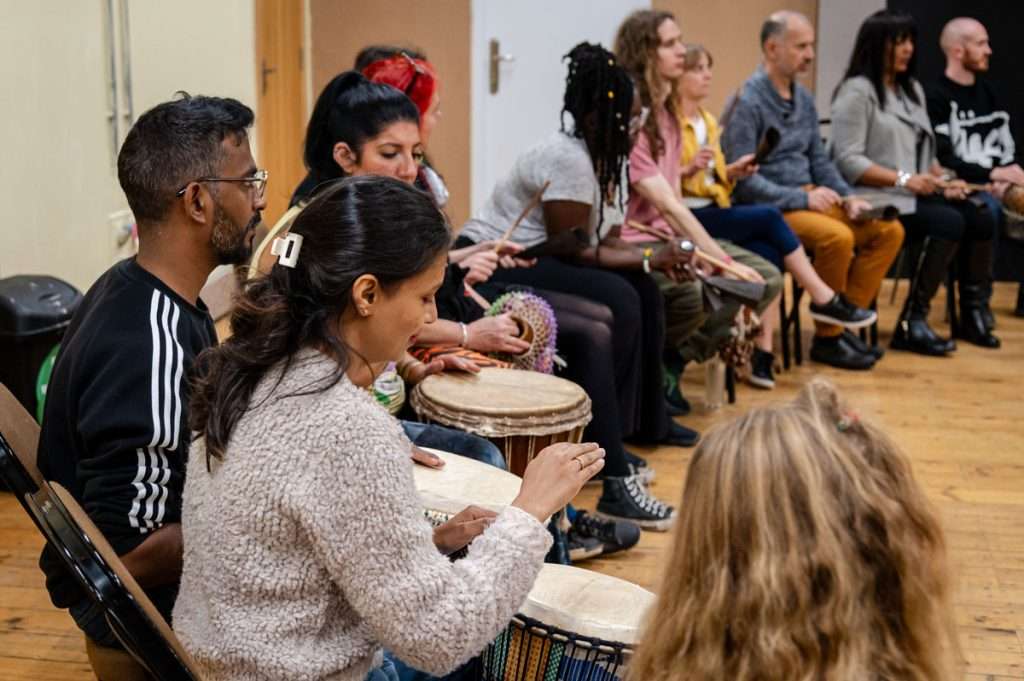
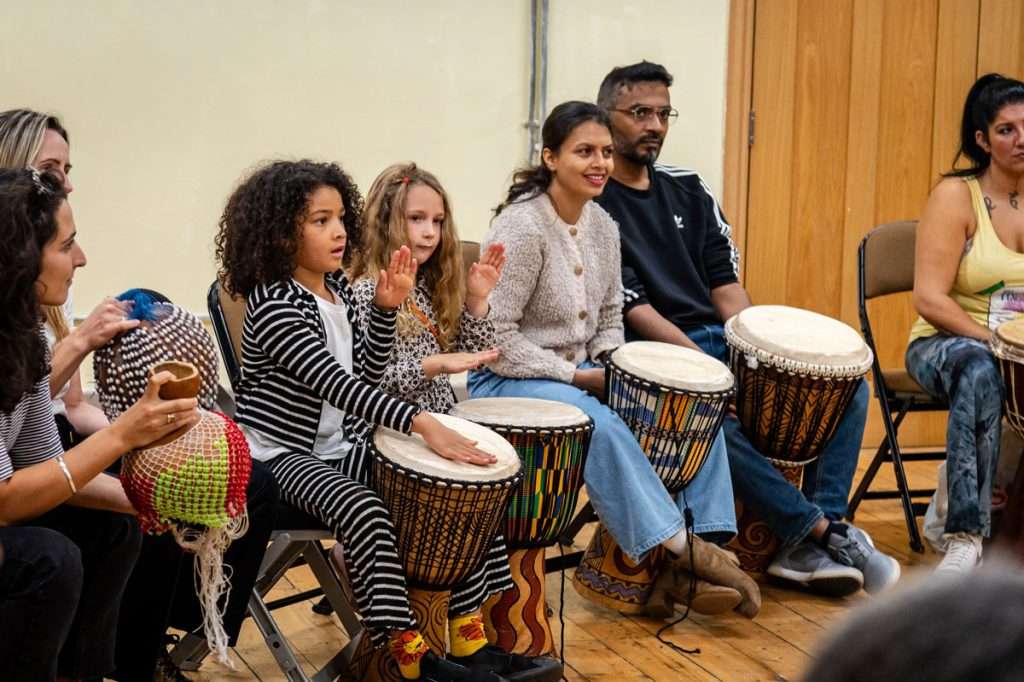
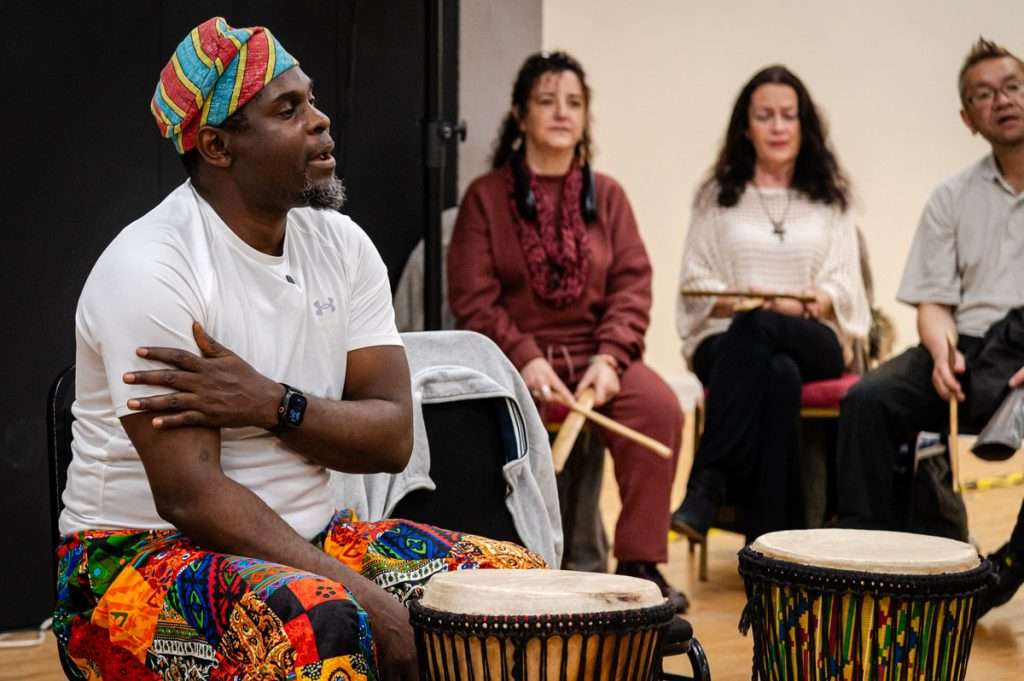
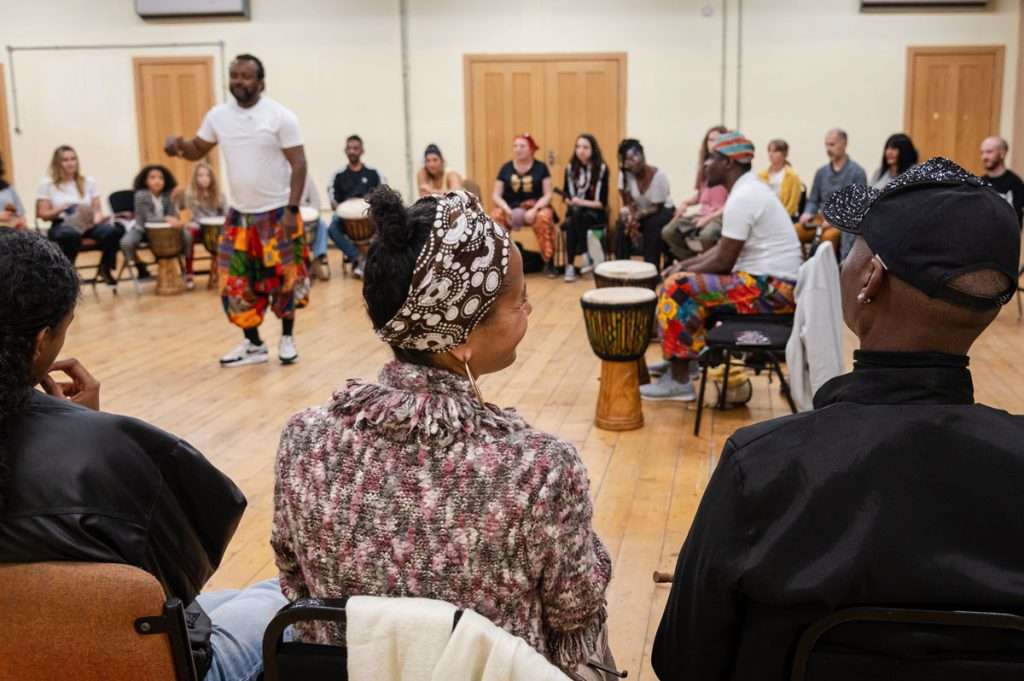
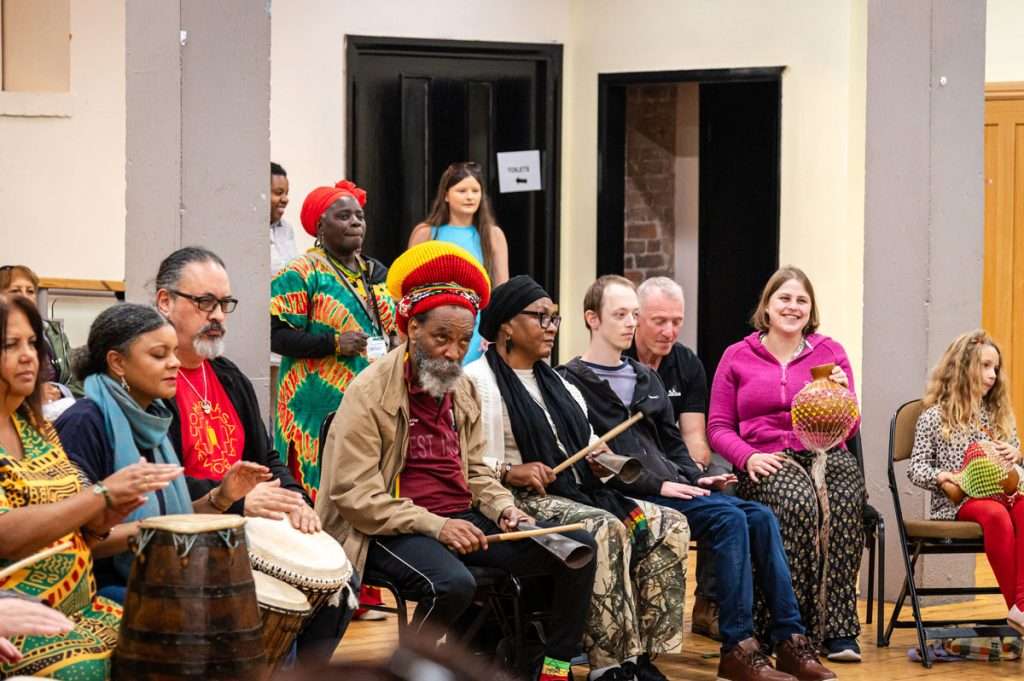
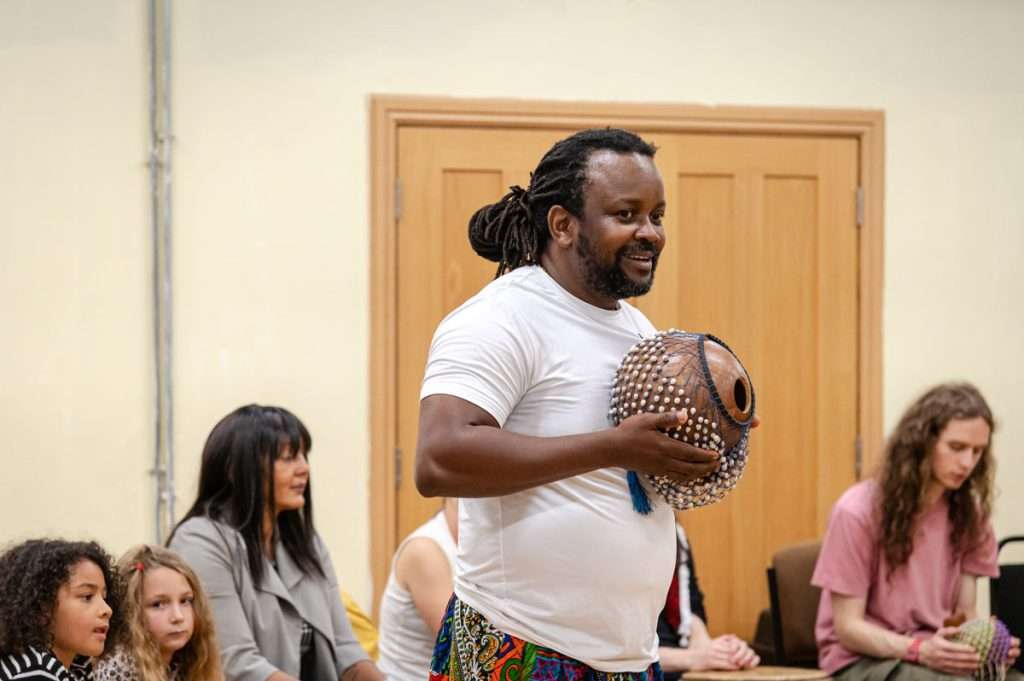
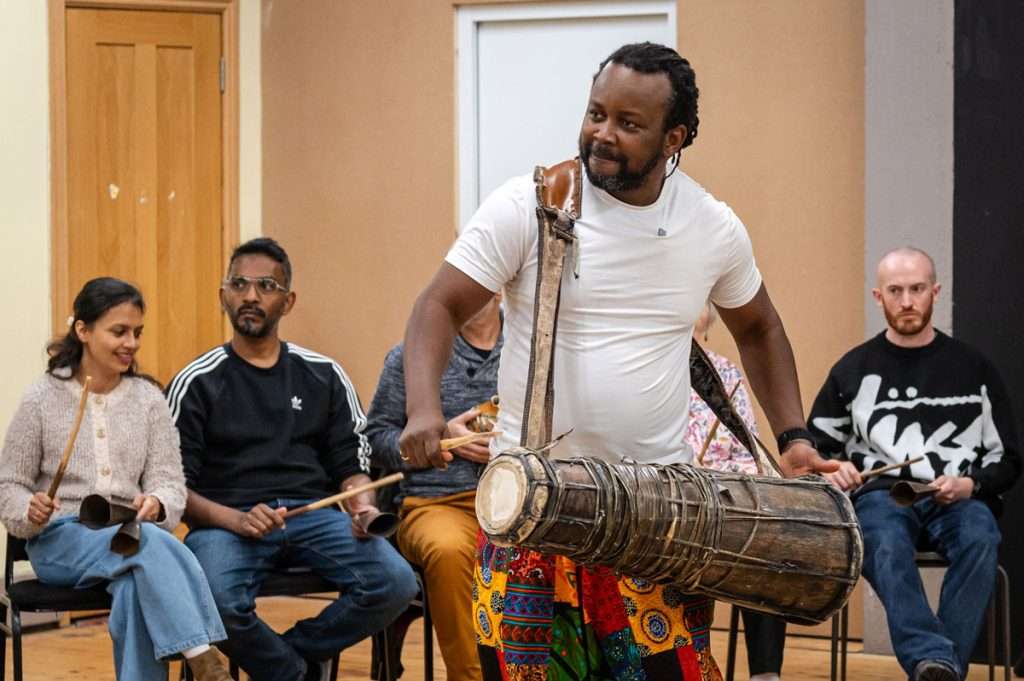
Wendy Okoli – Afrobeats – Afrodance Fusion
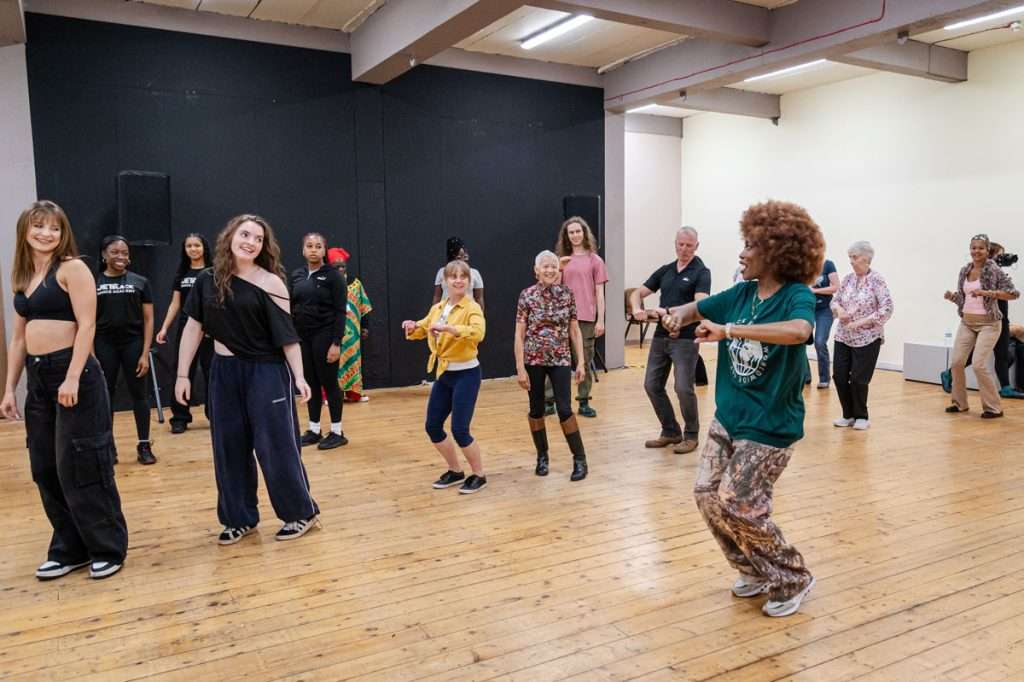
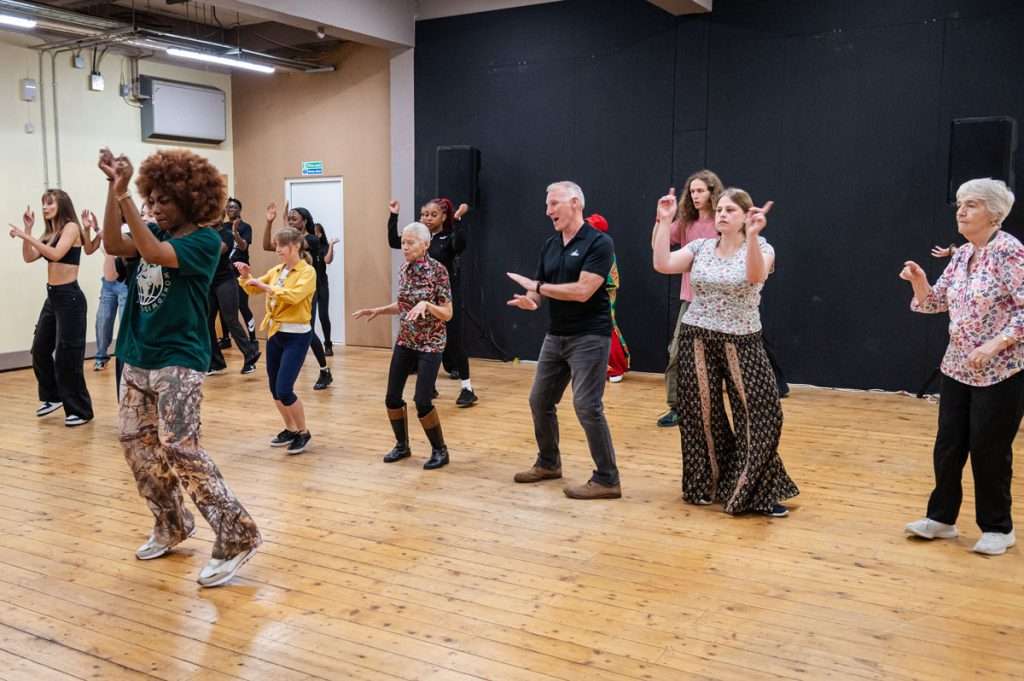
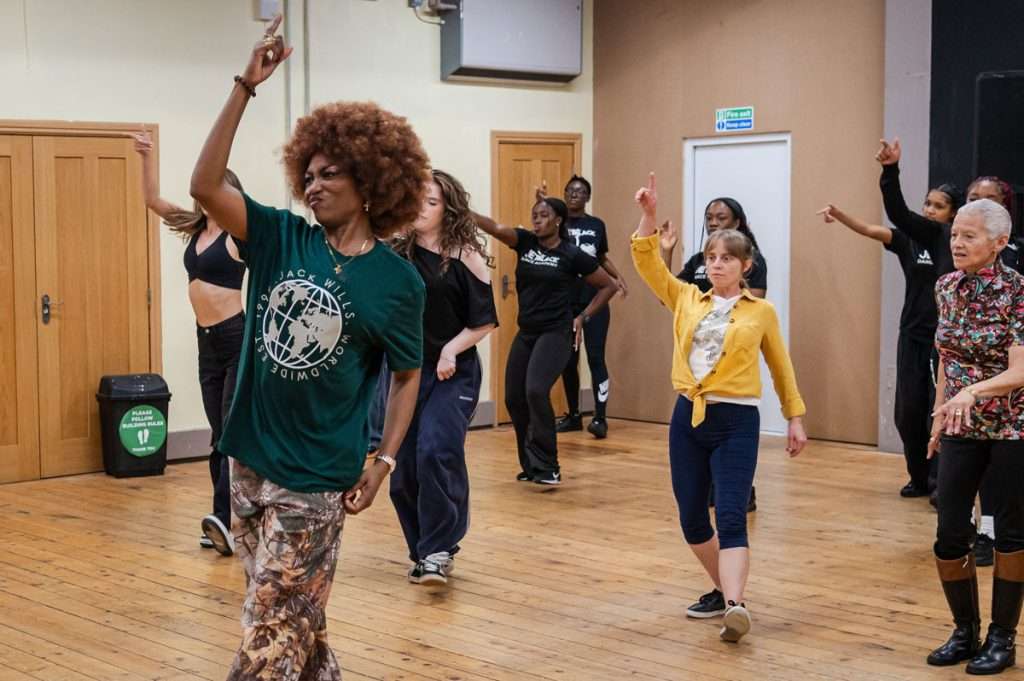
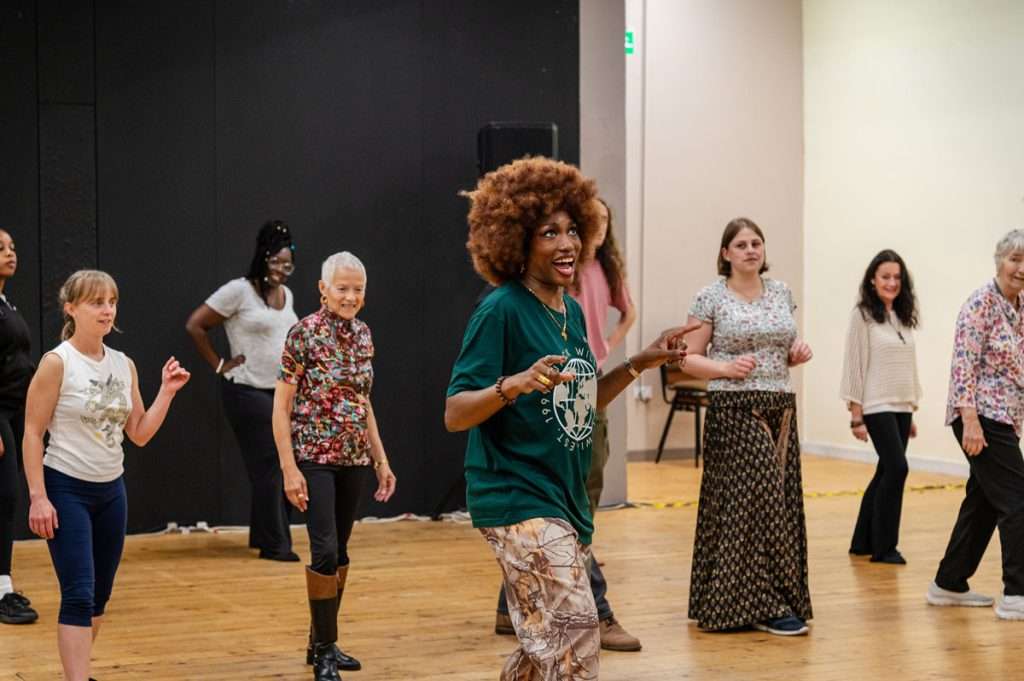
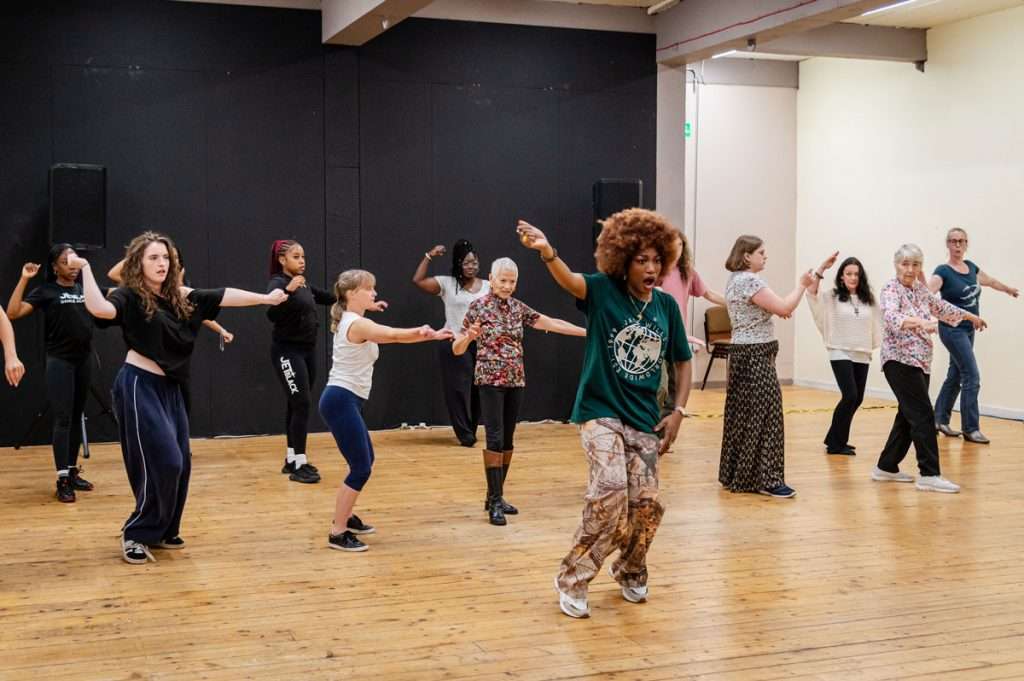
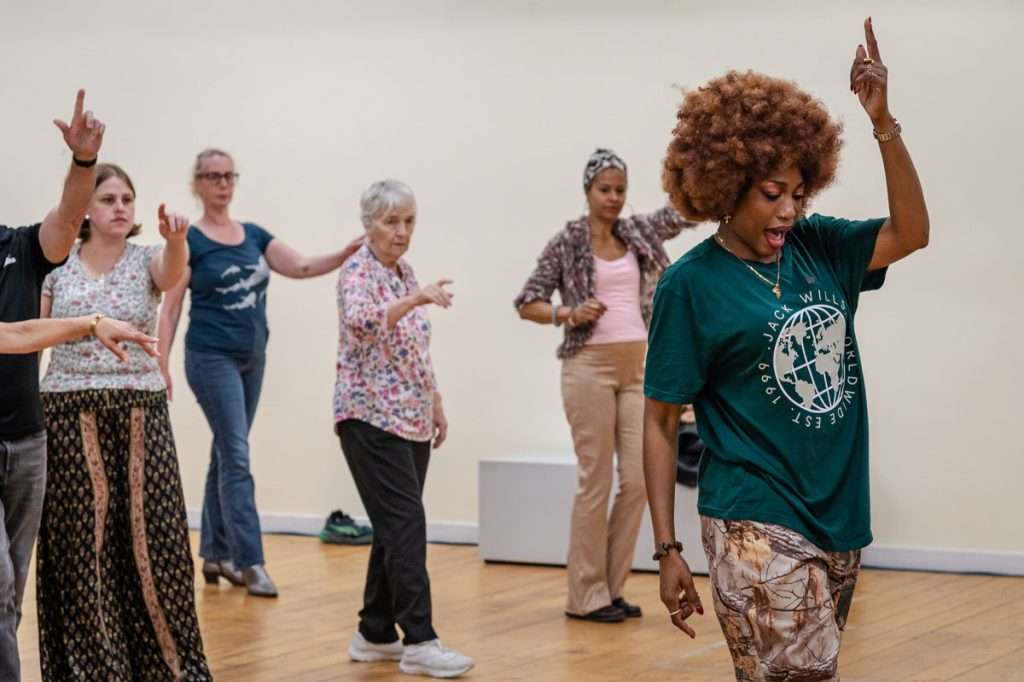
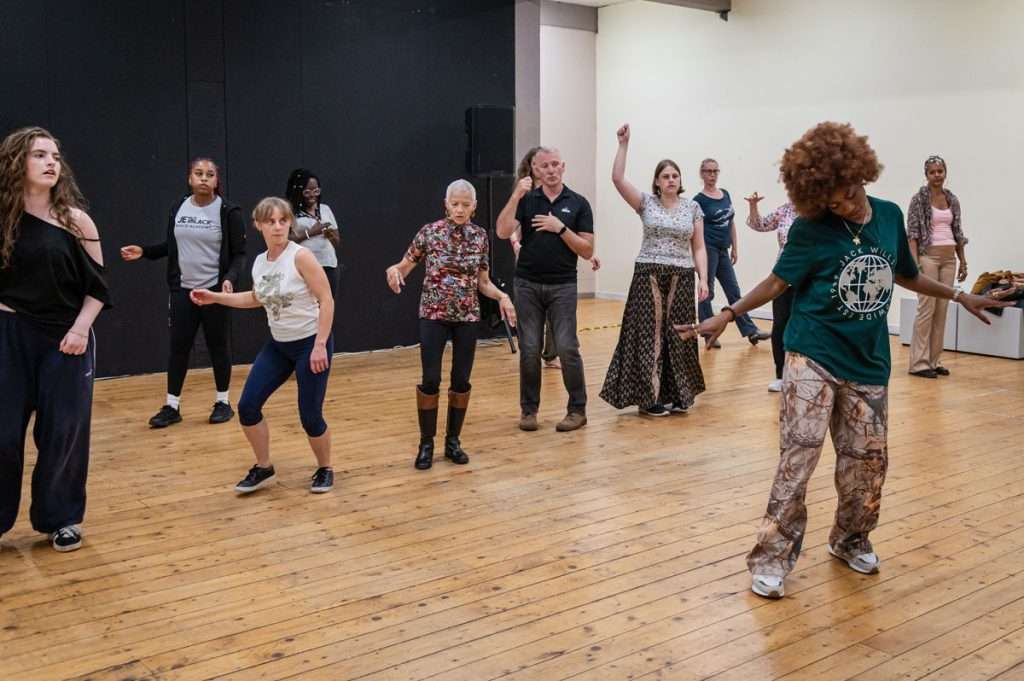
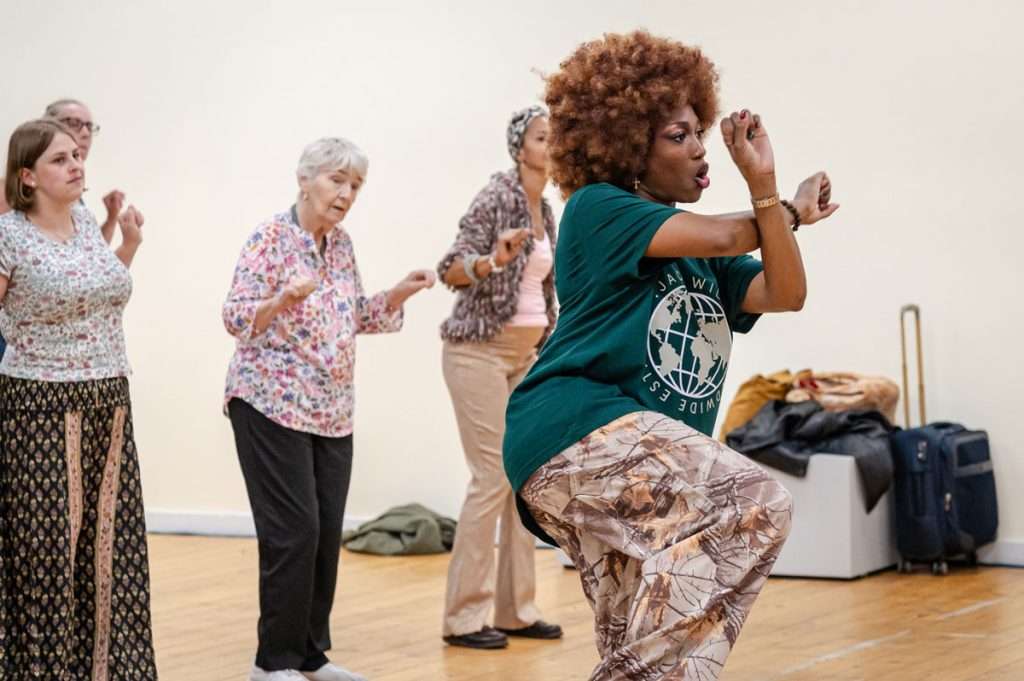
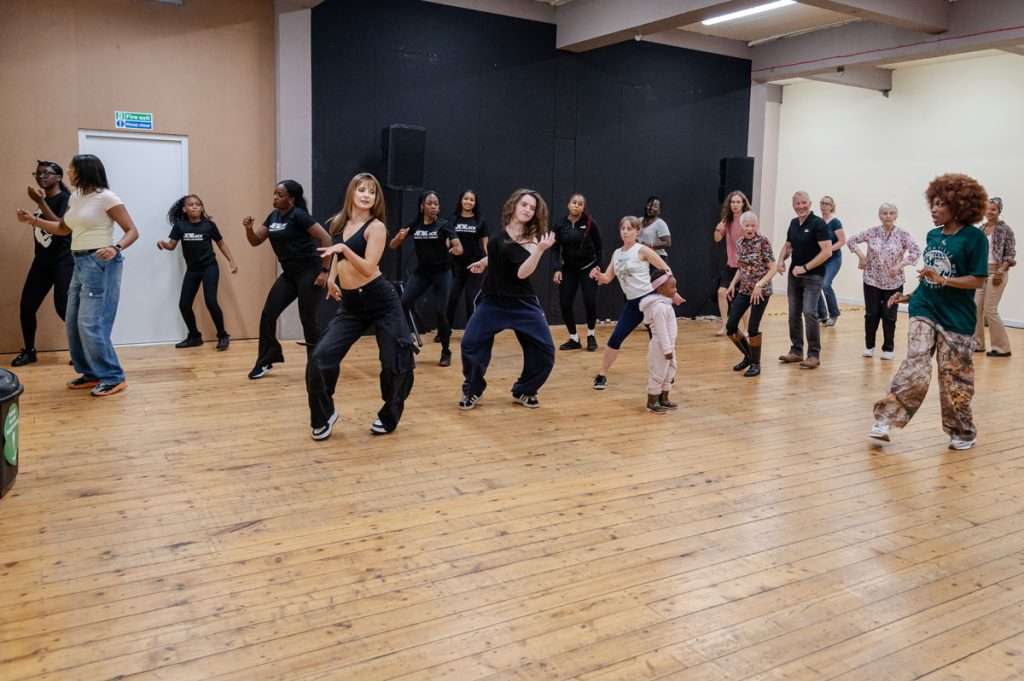
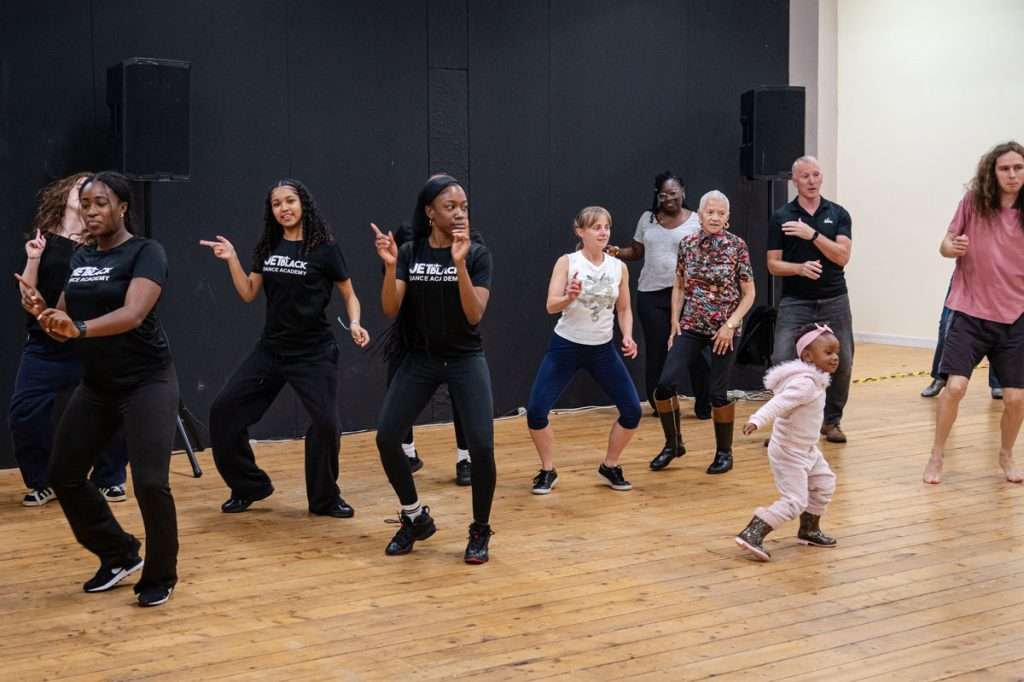
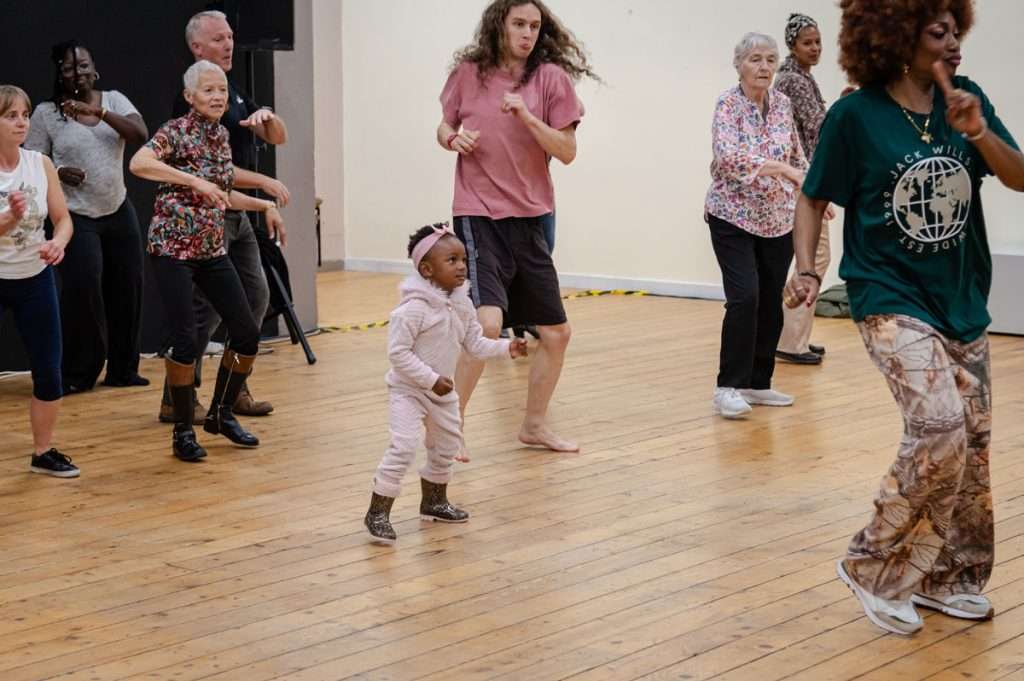
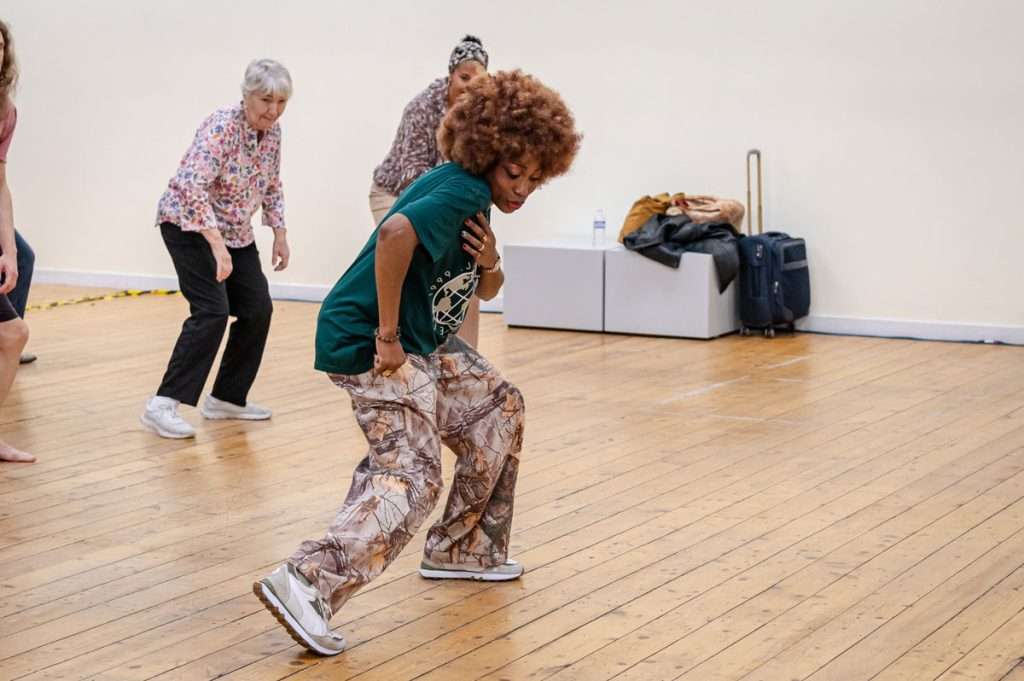
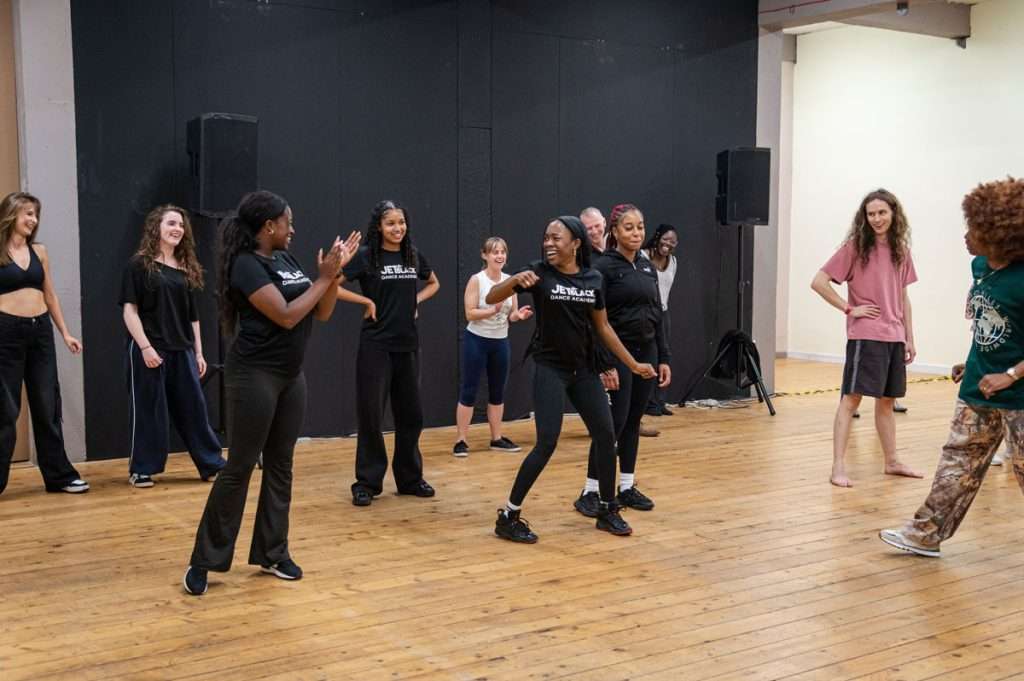
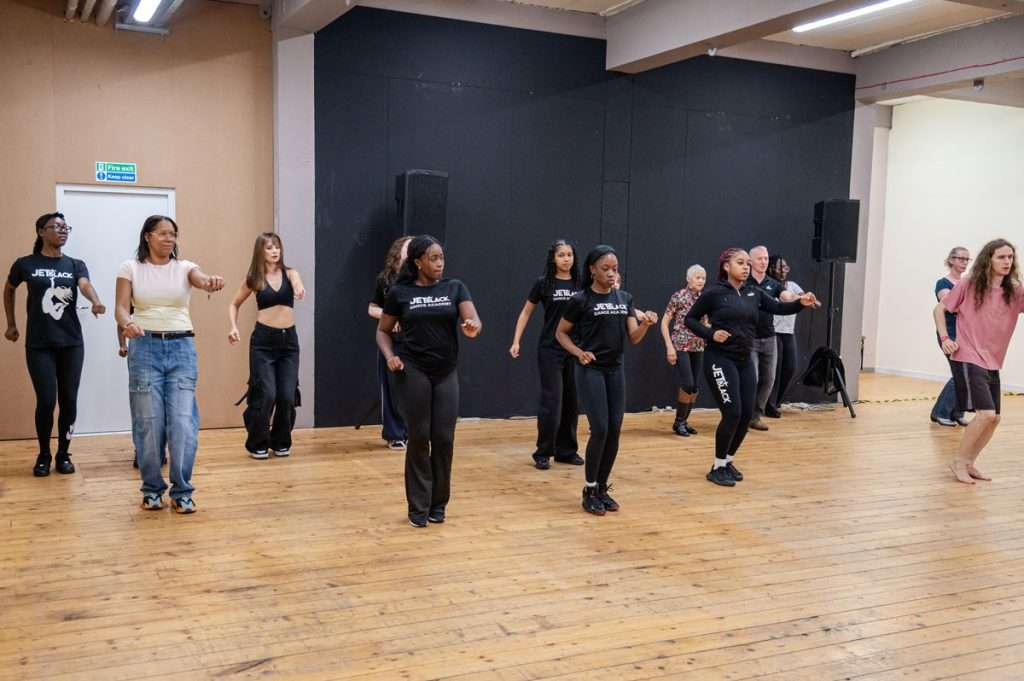
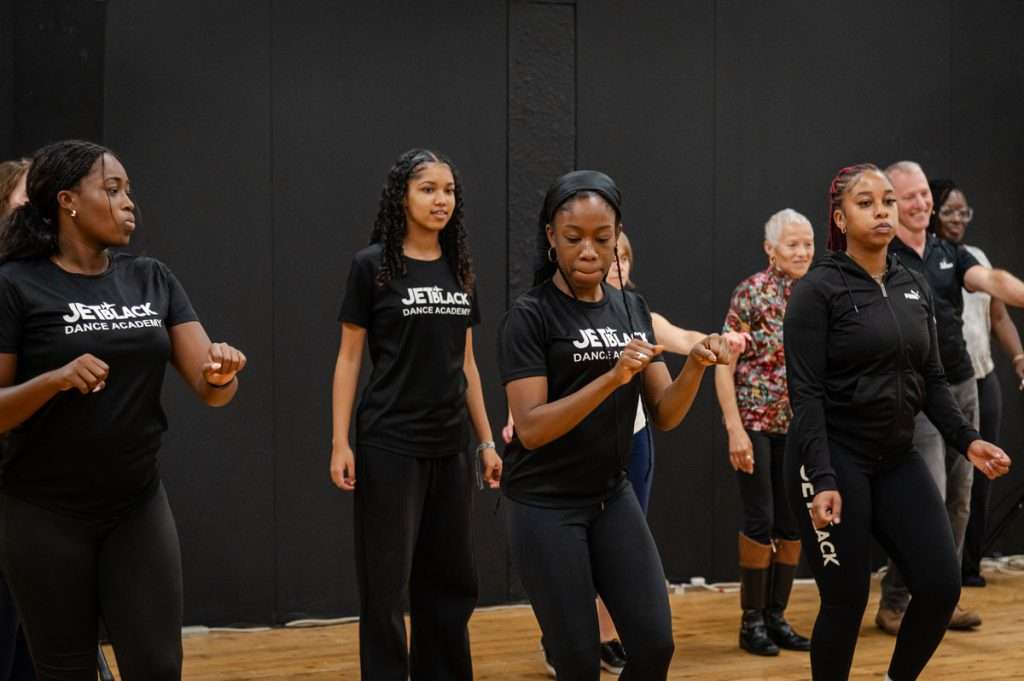
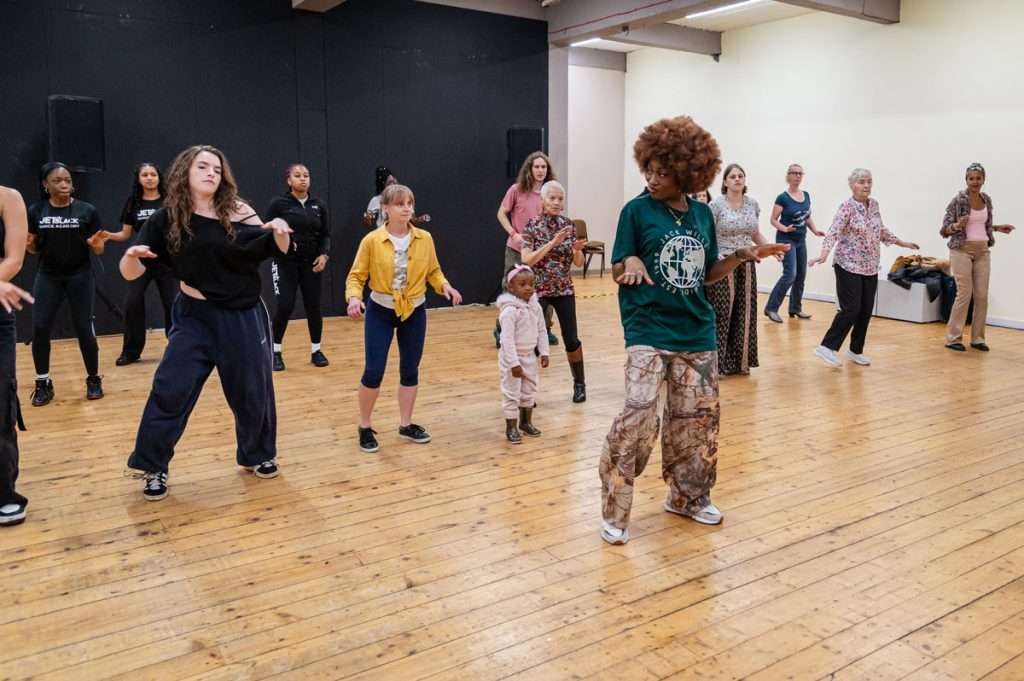
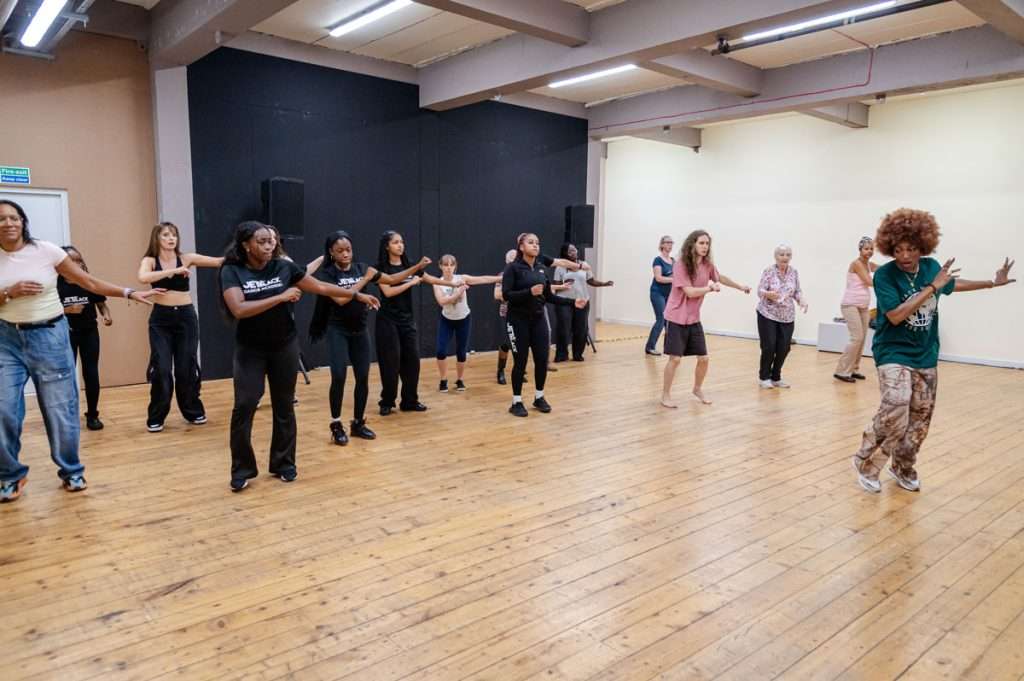
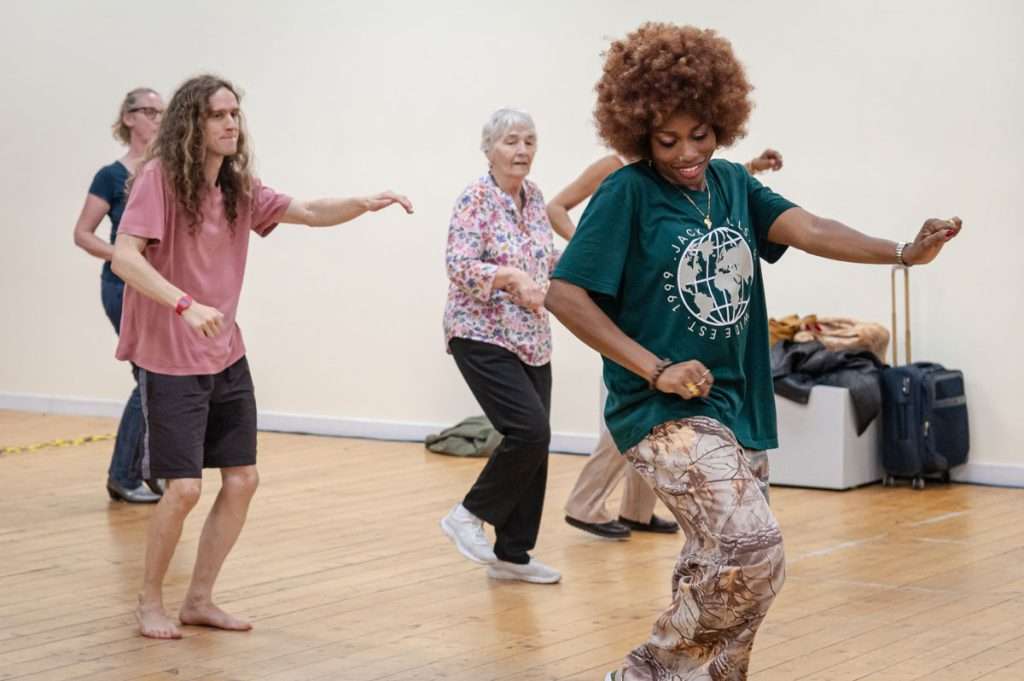
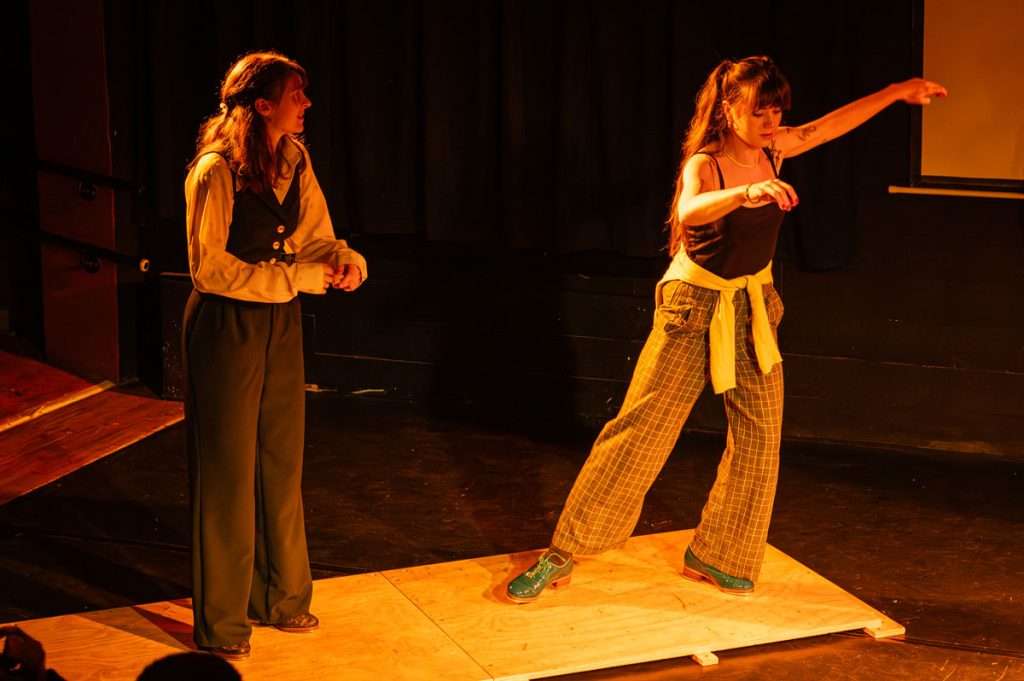
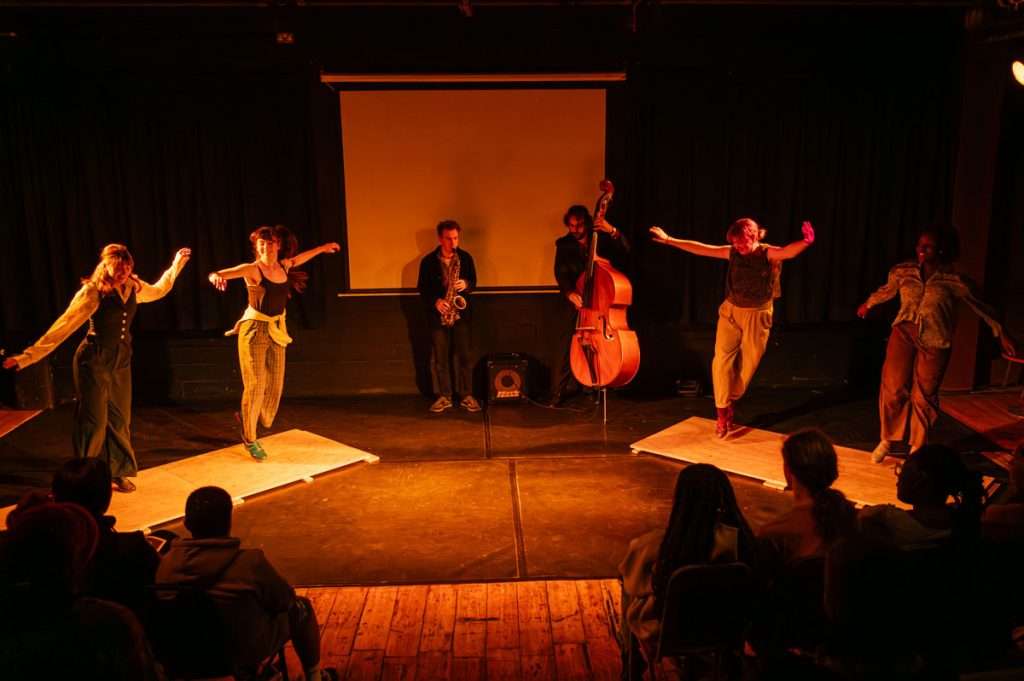
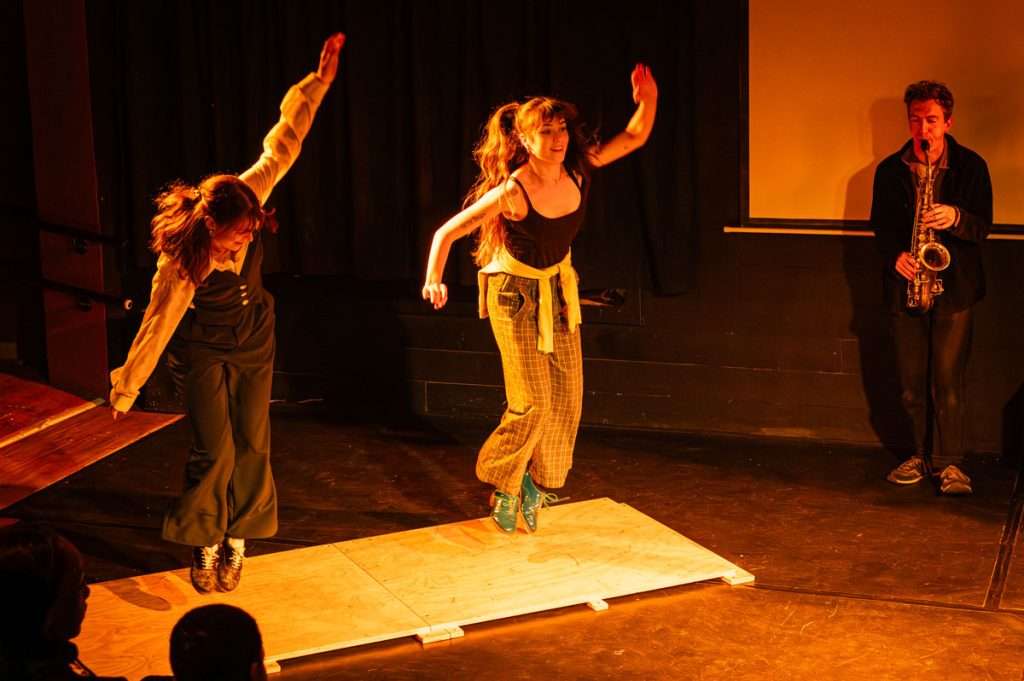
Maxine Brown – Bend Down Low
OUR HISTORY
The Black-E (formerly known as the Great Georges Project), began with the commitment to combine a world-class contemporary arts centre, with a community centre. Having taken over the former Great George Street Congregational Church in October 1967, with the support of the late Sir Peter Moores – the team of artists led by Wendy and Bill Harpe began their cultural adventures with the long-term aim of an ‘open door’ policy.
The team would later be joined by the late Sally Morris. They became the U.K.’s first national participatory community arts centre. Creating a centre where artists (performing and making, experimental and traditional) connected with anyone, from any background, who chose to come through the door.
The proximity of the building within Britain’s oldest established African-Caribbean community – and to Europe’s oldest Chinatown – meant that cultural diversity is celebrated as a natural phenomenon.